Region welcomes US-Iran deal
Gulf states, Turkey and Lebanon cautiously praise the framework while urging full implementation and protection of maritime trade routes.

Welcome back to the Daily Briefing.
This is Ezgi Akin, filling in for Gabrielle.
In today’s edition:
- Region welcomes US-Iran deal
- Lebanon warns displaced not to rush home
- Oil falls to $80
- US envoy Barrack visits Iraq
Thanks for reading,
Ezgi (ezgi_akin)

Region welcomes US-Iran deal
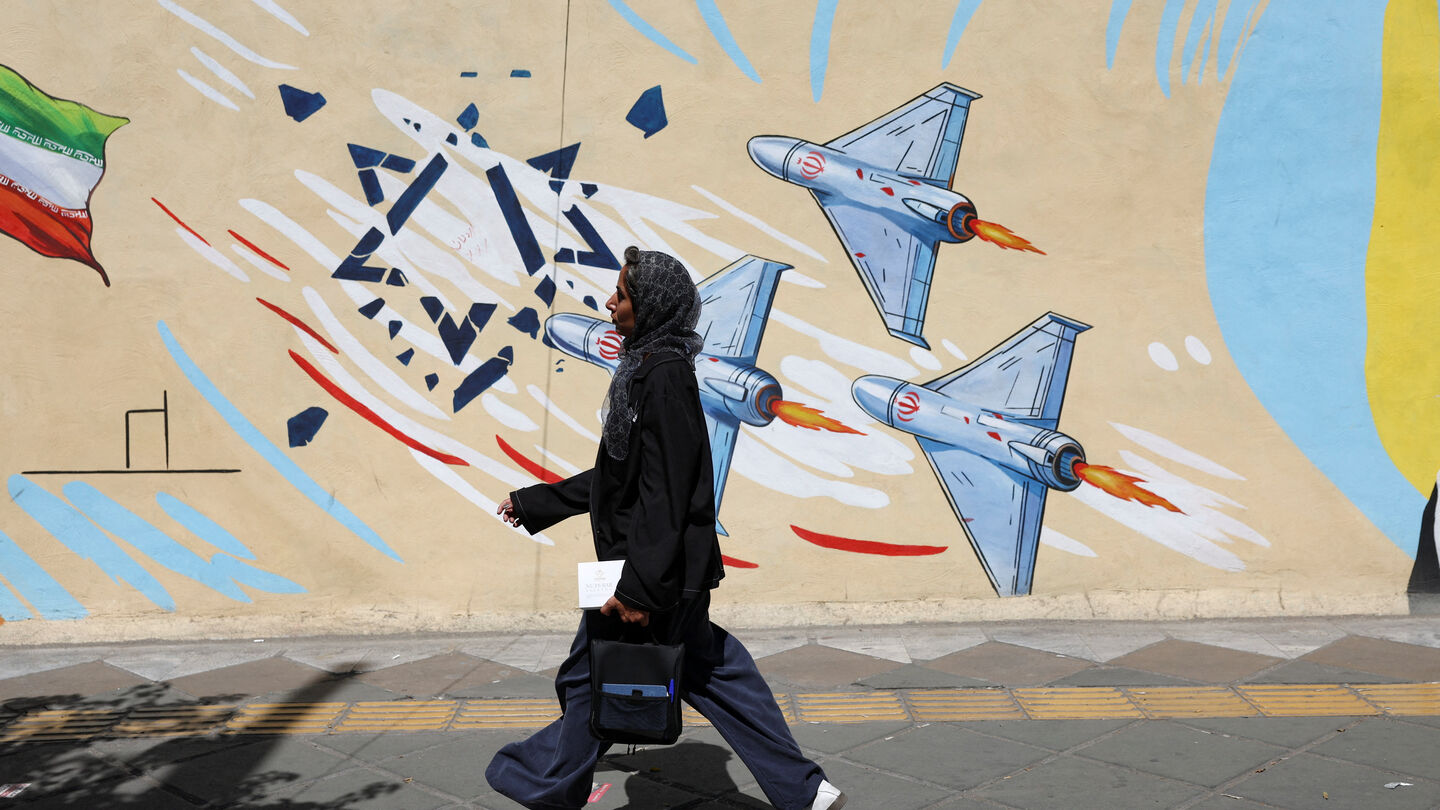
An Iranian woman walks past an anti-Israeli mural after US and Iranian officials said they had reached a deal to end their war and reopen the Strait of Hormuz, in Tehran, Iran, June 15, 2026. Majid Asgaripour/WANA (West Asia News Agency) via REUTERS
Regional countries on Monday welcomed a preliminary US-Iran deal to end months of war and reopen the Strait of Hormuz, while urging the full implementation of its framework and the protection of maritime routes.
Qatar, which acted as a mediator alongside Pakistan, called the agreement an important step toward sustainable peace and economic stability, while Turkey welcomed the framework as a milestone for regional stability and urged follow-up talks.
The United Arab Emirates called for full compliance, respect for the sovereignty of regional countries and the protection of international navigation, including the smooth flow of traffic through Hormuz.
Saudi Arabia also welcomed the diplomatic breakthrough, while Lebanese President Joseph Aoun said he hoped the framework would definitively end the Israel-Hezbollah conflict.
The US-Iran memorandum of understanding is set to be formally signed Friday in Switzerland, after Washington and Tehran said they had reached a preliminary deal to end their war, reopen Hormuz and launch follow-up talks on Iran’s nuclear program and sanctions relief.
The framework marks the most significant diplomatic breakthrough since the conflict began with joint US-Israeli strikes on Iran on Feb. 28, triggering months of Iranian retaliation against Israel and Gulf countries, an effective Iranian blockade of the Strait of Hormuz and a US blockade of Iranian ports.
Iranian Deputy Foreign Minister Kazem Gharibabadi said on Monday that a broader agreement would be negotiated during a 60-day ceasefire period and include sanctions relief.
The terms remain unclear. A senior Iranian official told Reuters before the announcement that the draft included the release of $25 billion in frozen Iranian assets. A US official said the agreement would ultimately lead to the dismantling of Iran’s nuclear program and the removal or destruction of its highly enriched uranium stockpile, while Iran has pushed to dilute the material domestically.
US President Donald Trump said Hormuz would reopen Friday and that he had ordered the end of the US blockade of Iranian ports.


Lebanon warns displaced not to rush home
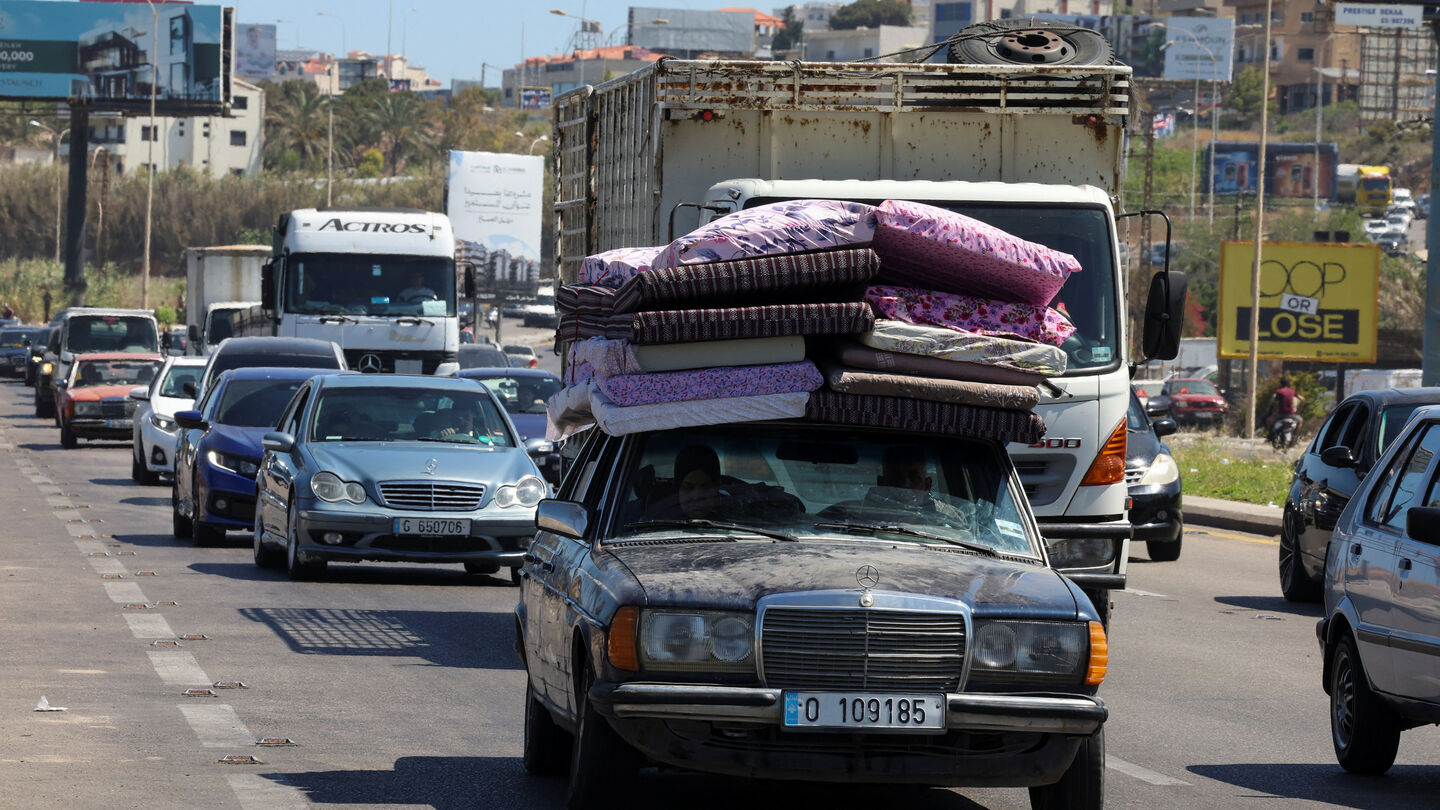
Displaced people make their way back to their homes in southern Lebanon following a deal between the US and Iran, in Sidon, Lebanon, June 15, 2026. REUTERS/Aziz Taher
Authorities in southern Lebanon warned displaced residents against rushing home Monday despite a US-Iran deal that calls for an immediate and permanent end to military operations across all fronts, including Lebanon.
Municipal councils urged residents to wait as Israeli forces remain in a self-declared security zone in the south. Israeli Defense Minister Israel Katz said that Israel, which is not a party to the US-Iran deal, would not withdraw from security zones in Lebanon, Gaza or Syria. The war has killed thousands in Lebanon and uprooted around 1.2 million people, leaving many displaced residents wary of returning despite the diplomatic breakthrough.

Oil falls to $80 as markets rally on Iran-US peace deal
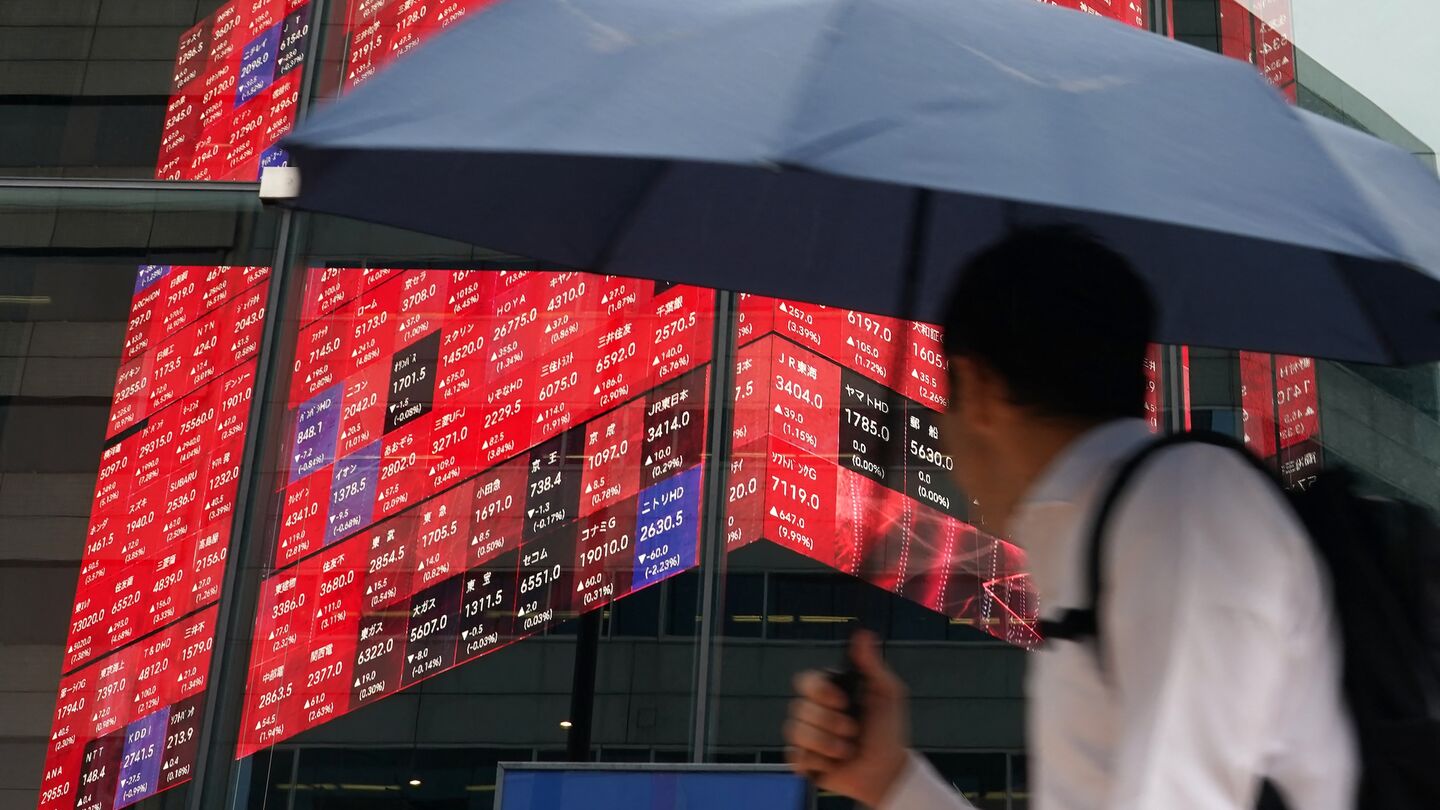
A man looks at an electronic quotation board displaying the Nikkei 225 stock prices on the Tokyo Stock Exchange in Tokyo on June 15, 2026. — Kazuhiro NOGI / AFP via Getty Images
Markets rallied and oil prices fell sharply Monday after Pakistan announced that Iran and the United States had reached a peace deal to end the conflict that has battered the global economy and choked shipping through the Strait of Hormuz. Brent crude dropped 5.2% to $80.41, while Asian and European stocks climbed on hopes that energy flows would resume. Read Jack Dutton’s dispatch.

US envoy Barrack visits Iraq
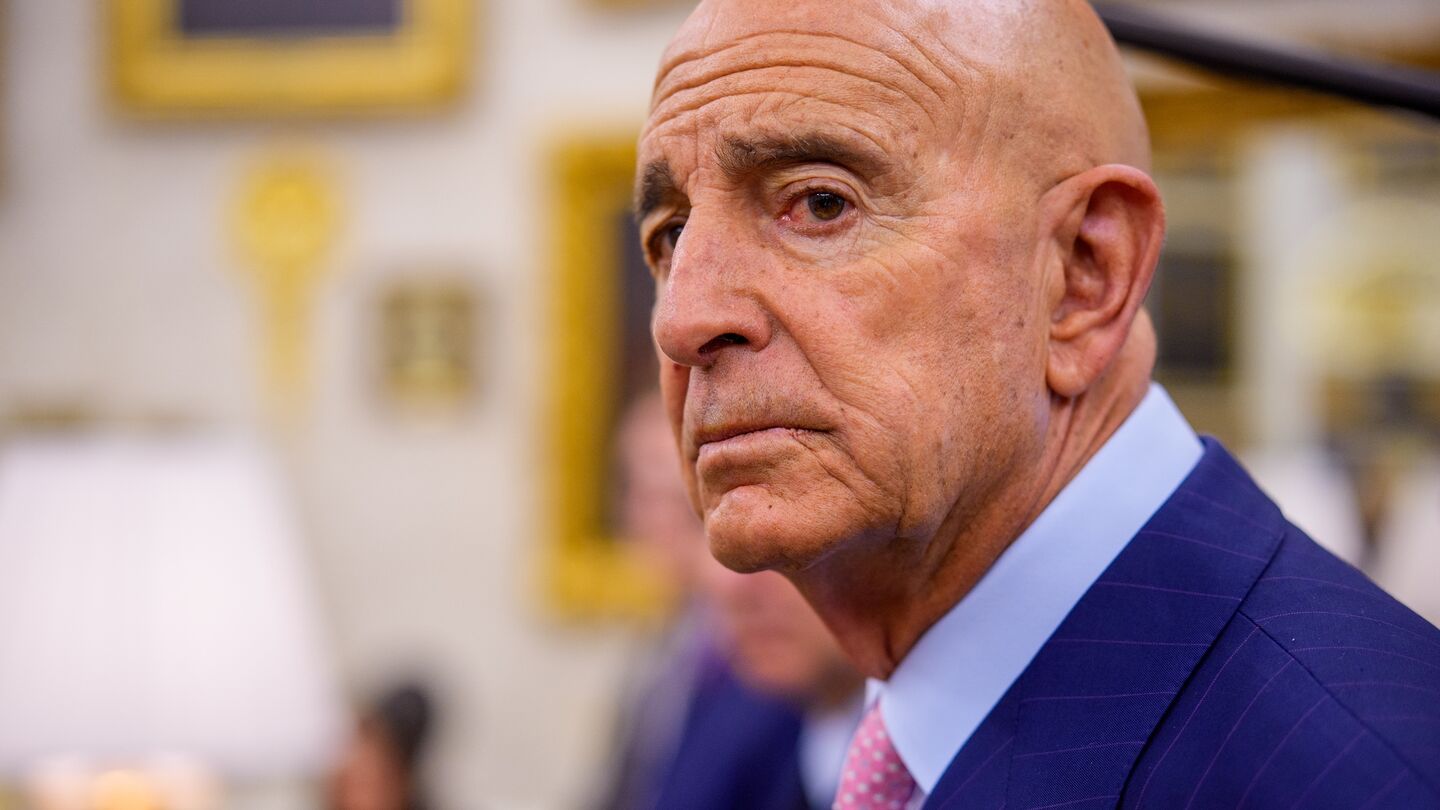
US Ambassador to Turkey Thomas Barrack attends a meeting with US President Donald Trump and Turkish President Recep Tayyip Erdogan in the Oval Office at the White House on Sept. 25, 2025, in Washington, DC. — Andrew Harnik/Getty Images
US envoy Tom Barrack is in Baghdad for talks with Iraqi Prime Minister Ali al-Zaidi and other senior officials, marking his first Iraq visit since President Donald Trump expanded his portfolio to include Baghdad. Barrack is expected to press US demands that Iran-backed Shiite militias be dismantled and disarmed, while also discussing energy and trade ties with Turkey and Syria that could help loosen Tehran’s grip.
The visit comes as Washington and Tehran have just announced a broader deal to end months of conflict. Barrack is also due in Erbil for talks with Iraqi Kurdish leaders and is also expected to meet Syrian Democratic Forces chief Mazlum Kobane. Read Amberin Zaman’s curtain-raiser here.
This one's on us.
The story doesn't end here.
Our correspondents are already on the next chapter. Read everything they file, from $2/week.
See Offers