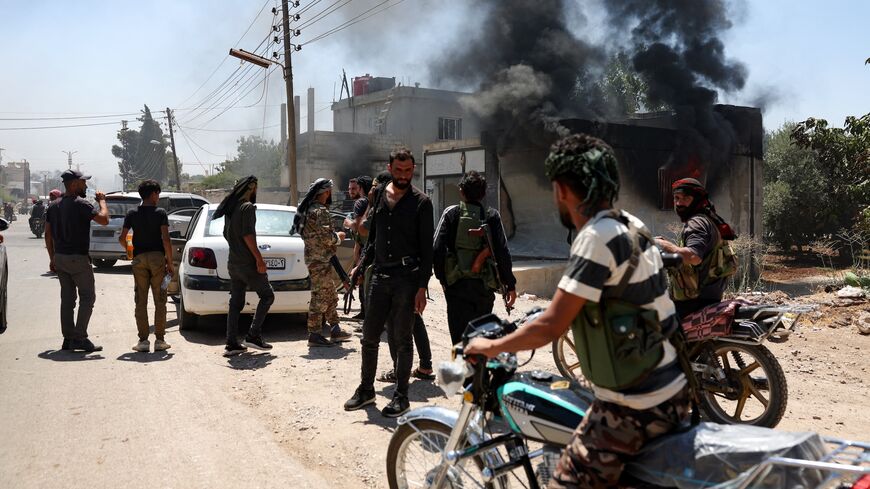
With parts of Aleppo’s ancient heart literally going up in flames and the world’s major powers seemingly paralyzed, it is becoming painfully clear that new approaches are needed to try to stop the violence in Syria.
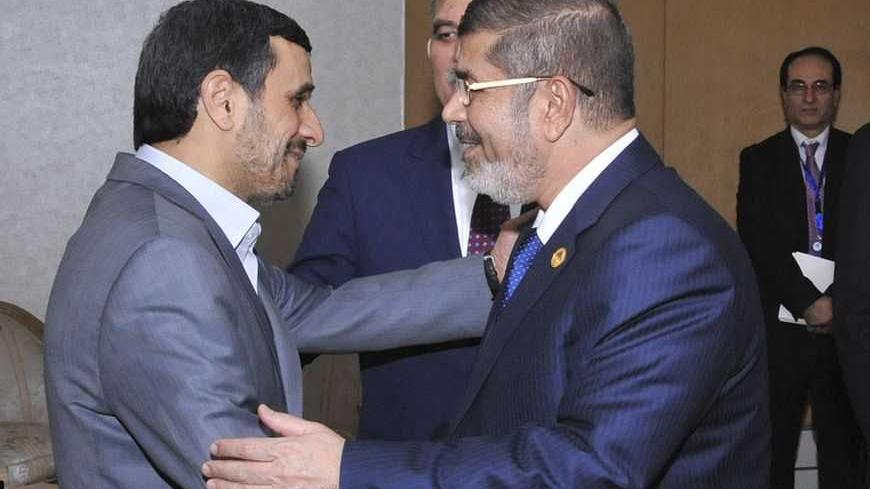
Regional stakeholders are taking the initiative and moving toward balancing their interests. Egyptian President Mohammed Morsi is the latest to enter the field and seeks to bring together Egypt, Turkey, Iran and Saudi Arabia to devise a political solution to the conflict.
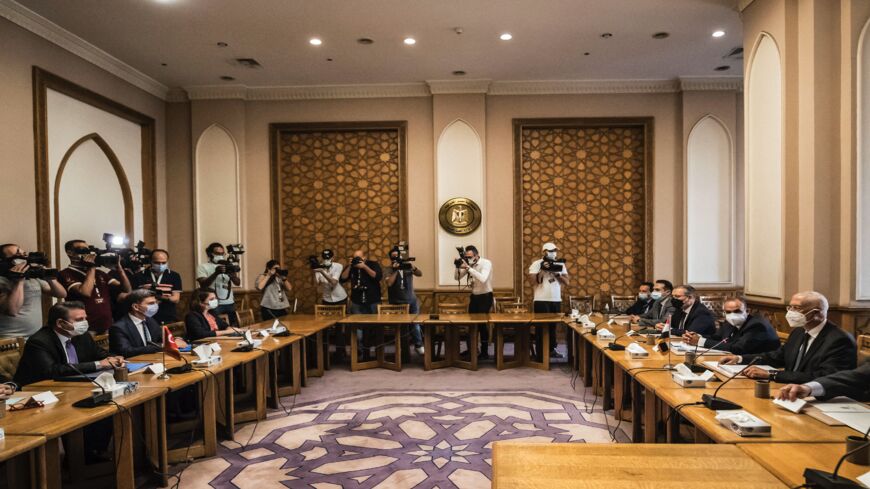
Having faced vehement Western opposition to its inclusion in US-backed forums on Syria for over a year, Iran has welcomed Morsi’s efforts. In Tehran’s view, its inclusion confirms the changing regional dynamics resulting from the stalemate in Syria. The Islamic Republic, which has had an alliance with Damascus for decades, has been quick to seize on the opportunities provided by the situation. In Cairo, Foreign Minister Ali Akbar Salehi reportedly told his Egyptian and Turkish counterparts that “‘observers’ from their countries, and from Saudi Arabia, could monitor the process of stopping the violence in Syria.” Salehi also appealed for all sides to simultaneously halt the bloodshed and offered to host the next contact-group meeting.
However, the Iranian foreign minister’s words should not be seen as reflecting a softening on Syria. Salehi explicitly warned against any foreign military intervention, and demanded “a halt to financial, military and training support for the Syrian opposition” — the latter a sharp rebuke to Turkey and Saudi Arabia in particular. The Cairo ministerial meeting last month was undercut, however, by Saudi Arabia’s decision not to send a representative.
AL-MONITOR All-Access gives you unlimited access to all our journalism, the full Daily Briefing, exclusive interviews, premium newsletters, and live events — for less than $2/week.