Reflections on the New Year: Outrage with a Hint of ... Hope?
Clovis Maksoud calls on Arab governments to take responsibilbity for governance.

When a bleeding process is routinized because of unresolved conflicts, then the whole doctrine of responsibility to protect civilians becomes irrelevant. It has been considered that the responsibility to protect civilians — to help empower them — to open opportunities for them — to enhance their standards of living — the quality of their education — the availability of medical care — and opportunities to work — these have been responsibilities to protect by governments.
What we are experiencing in many of the Arab countries is that this responsibility has become irrelevant — almost irretrievable — threatening to cause hope to be identified with futility. This is not sustainable. This can not remain. If human conscious has lost stamina to rebel, to stay charged, to inspire again, as it seems to have done, then humankind cannot resign the challenge how to regain the corrective initiative and define — boldly — a new sense of direction.
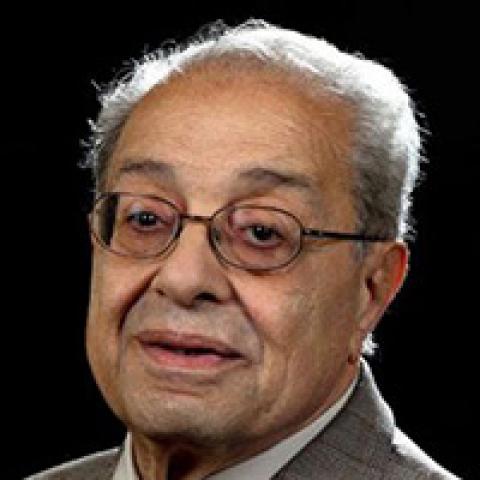
Clovis Maksoud is a former ambassador and permanent observer of the League of Arab States at the United Nations and its chief representative in the United States for more than 10 years. As a journalist, Maksoud was senior editor of the daily Al-Ahram in Cairo and editor-in-chief of Al-Nahar, an Arabic-language weekly published in Beirut. He is the author of several books on the Middle East and developing countries.


