Iraqi Kurdish Opposition Challenges Draft Constitution
With elections slated to take place in the Iraqi Kurdistan Region this fall, opposing political figures have begun to exchange accusations.
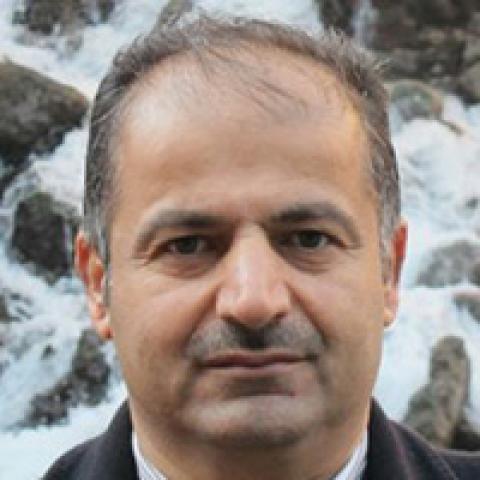

The political situation in the Iraqi Kurdistan Region has been rather foggy with the exchange of accusations of treason and dictatorship between the political parties in the region, mainly by prominent political figures who were until recently fighting under a unified front. The region’s upcoming elections, scheduled for September 2013, justify the escalation of the tone of statements between parties.
Nawshirwan Mustafa, the general coordinator of the Movement for Change and a former leader of the Patriotic Union of Kurdistan (PUK) led by Iraqi President Jalal Talabani, accused Talabani and Iraqi Kurdistan President Massoud Barzani of treason. The latter is a leader in the Kurdistan Democratic Party and a strategic ally of Talabani.
On Tuesday, June 18, Mustafa gave a speech in the presence of his supporters in Kirkuk and Diyala — two areas that are disputed between the Iraqi Kurdistan Region and Baghdad’s federal government, according to Article 140 of the Iraqi Constitution — in which he stated that there had been a golden and historic opportunity for the Kurdish leadership to regain those areas after the fall of the former regime. Unfortunately, the Kurdish political leadership wasted this chance, which has indeed gone down the drain.
Mustafa accused Barzani and Talabani of missing this chance, saying, “The failure to regain the disputed areas was a result of personal and factional interests. Barzani was afraid that the balance of power might turn against him with the return of these regions to Kurdistan and the participation of their representatives in the Kurdish parliament in a way that favors the PUK. This would not be in line with his interests and undermines his power. Meanwhile, Talabani wanted to please the Arabs, Turkmen and neighboring countries like Iran and Turkey to support his candidacy for the Iraqi presidency.


