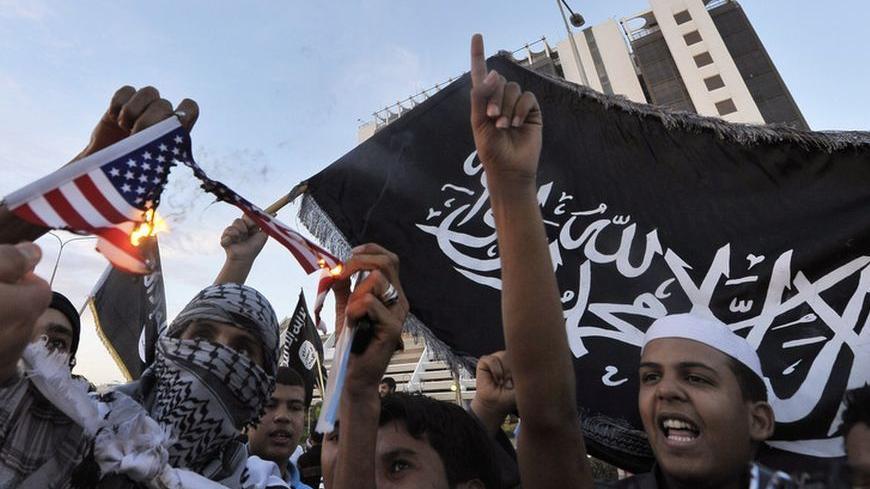
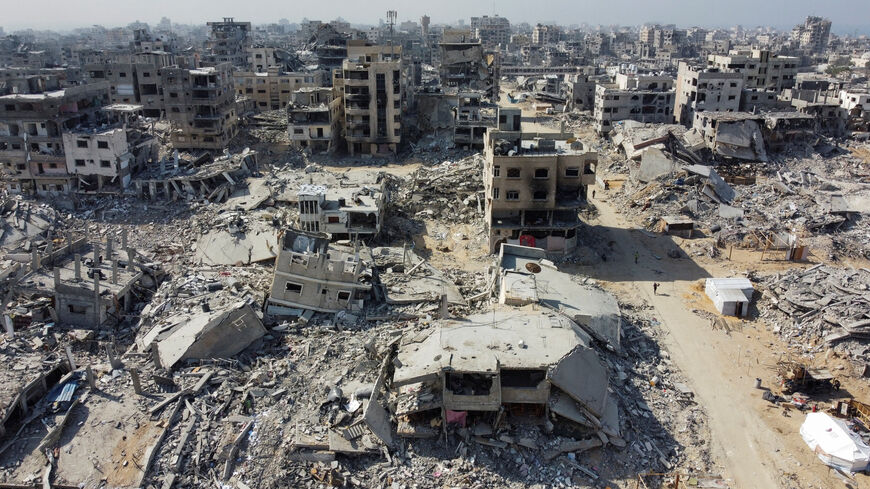
Piles of rubble and mangled metal litter the corners of two leafy upscale neighborhoods in Tripoli. A car bomb in April destroyed half of the diplomatic offices of the French Embassy, damaging vital infrastructure in a 200-meter [656 feet] radius. The June 11 car bomb at the Italian Embassy has created an atmosphere of diplomatic tension, with many wondering when it will end. On June 9, 31 protesters died outside a military base in Benghazi during a protest. In the last few days, indiscriminate attacks against the Ministry of Defense's special forces and burning of official security offices have killed more in the east of the country. Most worrisome, commander and de facto chief of the armed forces Salim Kenidi spoke to the media, asking the attackers, “Who are you? What do you want? Let us sit and negotiate.”
Vital security questions are being asked of [Prime Minister] Ali Zeidan’s government, which threatened Libya’s long-term diplomatic prospects. How have armed groups across the country been able to assemble lethal explosive devices, transport and execute attacks against sensitive targets? Moreover, how does the most densely armed territory on earth, with one of the most porous borders in the world, lack a functioning intelligence service?
Continued civilian protests across the country have focused on reinstating the army and police, and integrating militias under the Ministries of Defense and Interior. However, with numerous bombings and new actors seeking Libya’s depot of arms from across the region, the security picture is more complex than the domestic picture may indicate. The most feared arm of the ex-regime, the intelligence services, is never spoken of and could be the first step toward controlling the situation.
Intelligence services
AL-MONITOR All-Access gives you unlimited access to all our journalism, the full Daily Briefing, exclusive interviews, premium newsletters, and live events — for less than $2/week.