Lebanon Gains From Hostage Deal, Regional Trends
Qatar and the Palestinian Authority, which are at odds with Hezbollah, seem to have played key roles in releasing Lebanese hostages close to Hezbollah.
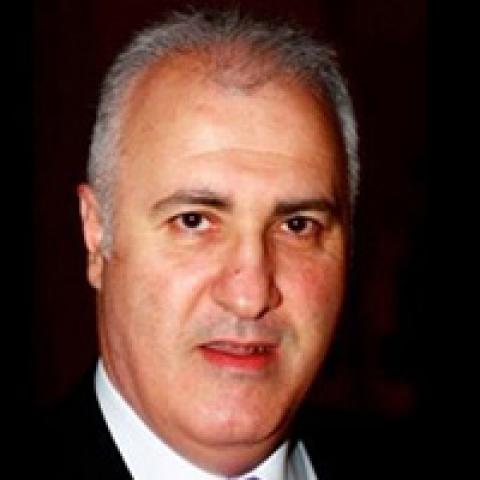

Lebanon’s Interior Minister Marwan Charbel asserted to Al-Monitor that the Lebanese government has decided to intervene directly in the negotiations aimed at releasing Syrian bishops Youhanna Ibrahim and Boulos Yazigi, who were abducted by Syrian armed groups on April 22.
Charbel told Al-Monitor that the director of Lebanese General Security, Maj. Gen. Abbas Ibrahim, has now assumed this file personally, after he succeeded on Oct. 19 in releasing nine Lebanese who had been held hostage in northern Syria since May 2012. Charbel added that Ibrahim will follow up on the files of all Lebanese detained outside of Lebanon including Sky News photographer Samir Kassab who disappeared in Syria a week ago and Lebanese nationals kidnapped in Nigeria earlier this year.
Remarkably, Charbel said that the role Qatari Emir Tamim bin Hamad and Palestinian Authority (PA) President Mahmoud Abbas played led to the release of the nine Lebanese hostages. Charbel did not specify the reasons why Doha and Ramallah chose to play this role. It should be noted that Ibrahim — who was responsible for the Palestinian file more than a decade ago when he was associate director of military intelligence — has established excellent relations with all Palestinian forces including Abbas. He used those relationships to help the negotiations succeed.
However, the Qatari and Palestinian roles should be further examined, especially because those two countries are at odds with the Syrian authorities.


