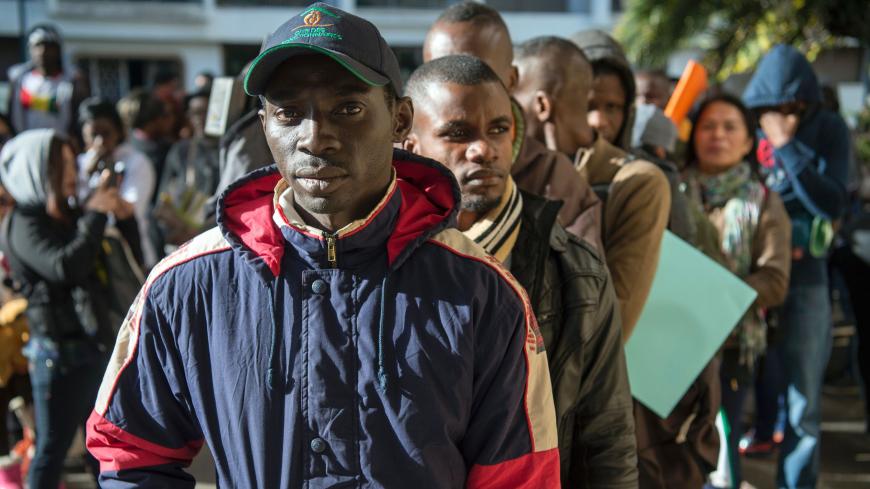
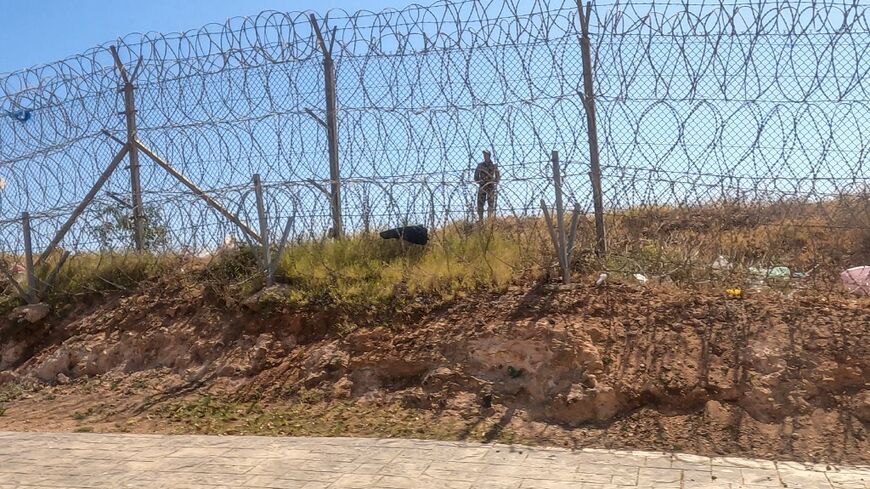
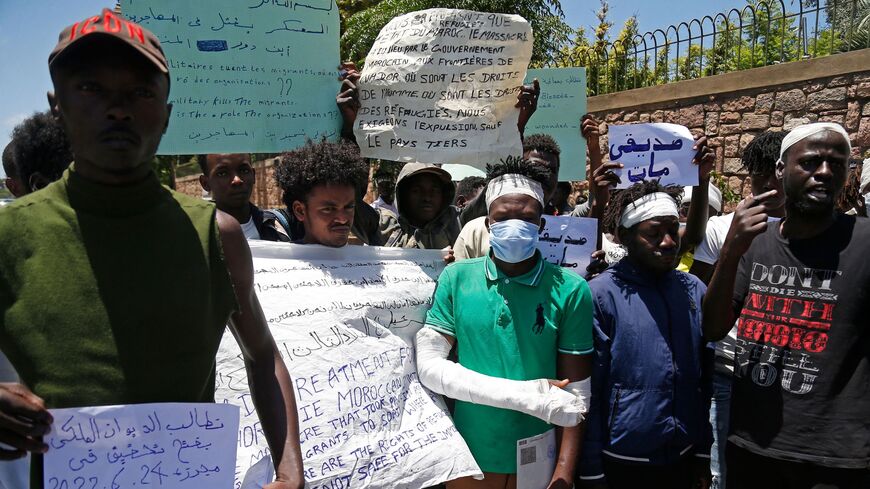
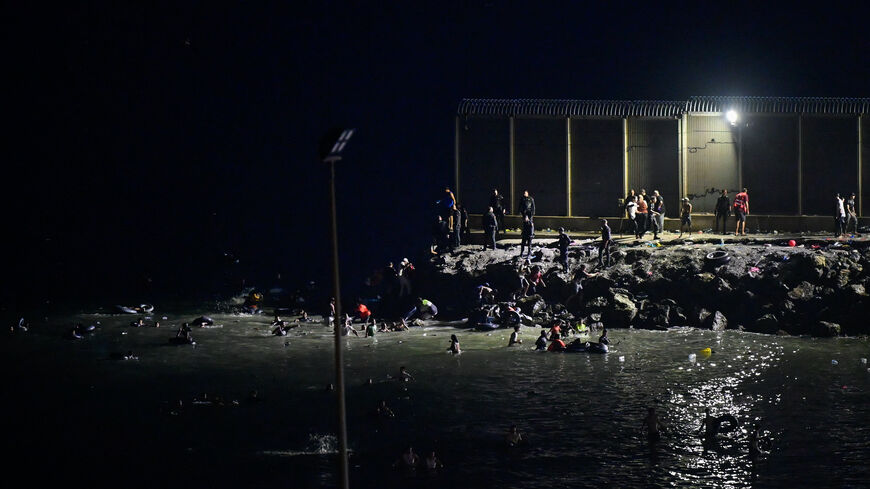
RABAT, Morocco — After years of pressure to reform its migration policy, Morocco announced last September a new migration and asylum system that would adhere to international standards, examine cases individually and offer legal status to some undocumented migrants — thousands of whom lined up in Rabat to file their application last month. But a recent Human Rights Watch report claims that despite some improvement, Moroccan security forces still “commonly beat, otherwise abuse and sometimes steal” from sub-Saharan migrants. A couple of weeks ago, nine sub-Saharans, including one woman, drowned while trying to swim to the Spanish enclave of Ceuta. Migrants claimed police fired into the sea where other migrants were swimming, as Moroccan and Spanish security forces tried to ward them off from Ceuta.
But in the capital Rabat, miles from the Moroccan border between the Spanish enclaves of Ceuta and Melilla — the gateway to the European Union — some migrants are in transit to Europe. They remain in the administrative center because they wish to settle in Morocco; they have kept up with government efforts to “regularize” migrants and applied for legal status to live and work in Morocco. They took this decision despite the circumstances under which they left their homeland and the institutional neglect of their reluctant hosts.
Angie and Fevo met in Morocco, and together they beg outside a mosque adjacent to a vegetable and fish market in working-class Sale, outside Rabat. They claim they fled Boko Haram in northwest Nigeria and expected some assistance when they arrived in Morocco. After seven months, they have not received anything. Fevo is pregnant and says that she has given up on hearing back from the United Nations High Commissioner for Refugees after filing an application.
She also applied for legal status with the Moroccan government last month, along with thousands of others, but was told to return when she had her passport in hand. When she went to the Nigerian Embassy, she discovered that she could not cover the cost of her passport application. “So, I am here begging to eat and get money for a passport,” she says to Al-Monitor as she pats her pregnant belly. “And the associations we have been to could not help. We don’t speak the language and they just tell us to leave. They insult us,” she adds. Fevo jumps into a store as soon as a passerby gives her enough to buy fruit.
AL-MONITOR All-Access gives you unlimited access to all our journalism, the full Daily Briefing, exclusive interviews, premium newsletters, and live events — for less than $2/week.