Israel, Rwanda build ties on shared experiences of genocide
Twenty years after the Rwandan genocide, Israel and Rwanda's relations reflect the changes each nation has undergone, with Rwanda taking after Israel in dealing with a genocide and building a promising future.
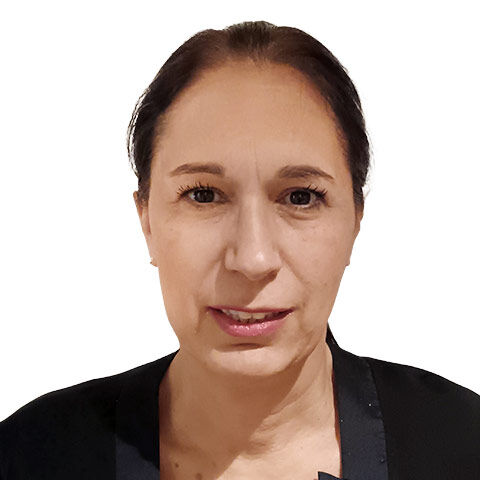

Beylanesh Zevadia returned on April 6 to Kigali, Rwanda's capital. The young ambassador visits Kigali every two or three months, since as part of her role as the head of Israel’s mission in Ethiopia, she also serves as the nonresident ambassador to Rwanda. This time, Zevadia came to the land of “a thousand hills” to participate in the main memorial service marking 20 years since the genocide.
Zevadia first arrived in Rwanda two years ago, to give her writ of appointment to the president, Paul Kagame. Since then, she has attended to the sensitive and unique relationship between the two nations. This bilateral relationship, says Zevadia, enables Israel and Rwanda to share with each other their practical experience in taking confidence-building steps and reconciliation efforts, such as at the UN conference that was held in Addis Ababa in February to mark the genocide. An Israeli delegation took part in the conference. Another example is a series of workshops held a few years ago at the Yad Vashem Holocaust Museum in Jerusalem, with the participation of survivors of the genocide in Rwanda.
Israeli citizen Tali Nates has lived in Johannesburg, South Africa, for many years now, but her primary occupation is connected to Israel and Rwanda. In her role as the director of the Holocaust and Genocide Foundation, she frequently accompanies delegations of students to Kigali. She tells Al-Monitor about a new and unique program established by the foundation to train 120 volunteers, among them survivors of the genocide in Rwanda. The training lasts four months, after which the volunteers are expected to speak at various schools in Africa; this program is similar to that of South African Holocaust survivors who volunteer to recount in front of young people at schools and universities their struggle during the Holocaust.
Nates also runs a support group for Rwandan survivors. They have gathered for a number of years now, every three weeks, to receive social and psychological support. This program, she says, was created based on the experience of the Israeli organization Amcha — a center for emotional and social support for Holocaust survivors and their families. Nates and her colleagues in this project also participate in the memorial services in Kigali this week.


