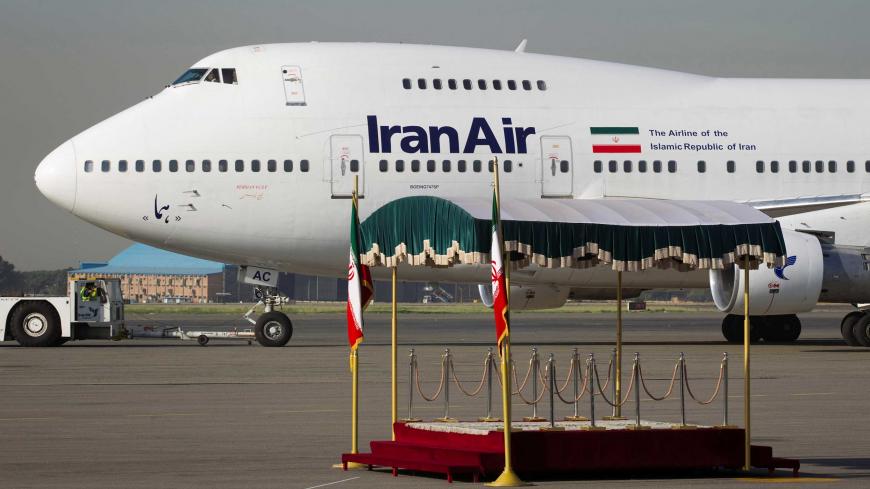
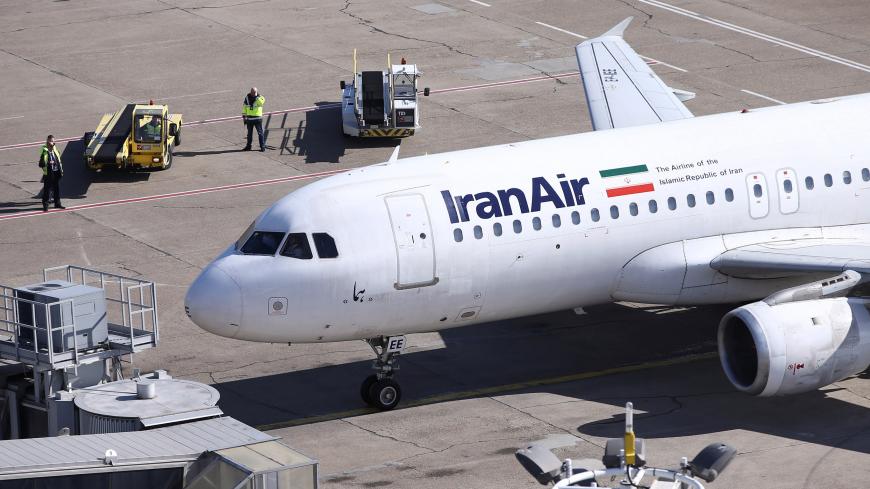
Barely a week after the Jan. 16 lifting of nuclear-related sanctions on Iran, Tehran hosted its first international business summit in years. The event, sponsored by the Centre for Aviation (CAPA), brought together 400 executives of the global aviation industry to re-establish links with their Iranian counterparts after a decades-long estrangement. What raised eyebrows in Tehran and Washington, however, was the conspicuous absence of Boeing, the world’s largest aircraft manufacturer. Boeing’s curious decision to skip the CAPA event raised questions about the United States’ commitment to the sanctions relief mandated under the July 14, 2015, Joint Comprehensive Plan of Action (JCPOA). The decision Boeing made to stay home, likely prompted by unease as to the confusing web of remaining US sanctions, is a harbinger of things to come for the delicate dance between Iran and American business.
It turns out that Boeing, while skipping the high-profile CAPA event in Tehran, has actually been unofficially negotiating behind the scenes with Iranian civil aviation officials for a considerable time. Indeed, weeks after European rival Airbus signed a multibillion dollar deal for 118 passenger jets with Iran, Washington finally gave the go-ahead for Boeing to begin official negotiations and to apply for special licenses to sell aircraft to the Iranians.
As the world cashes in on an Iran ready to do business, the United States risks being late to the game because of a mixture of political sensitivities, confusion about the remaining American sanctions and structural impediments that make trading with Iran prohibitively risky for all but the most adept American companies.
American trade with Iran is known to attract seething headlines in both countries. A simple form on McDonald’s website about franchise opportunities in Iran last year prompted warnings of an impending cultural invasion of the country in the Iranian right-wing media. Similarly, US companies risk the wrath of special interest groups devoted to inflicting reputational damage because of trade with Iran. Halliburton and Hewlett-Packard are prominent examples of companies that have been attacked in the American media for previous legal business relations with Iran.
AL-MONITOR All-Access gives you unlimited access to all our journalism, the full Daily Briefing, exclusive interviews, premium newsletters, and live events — for less than $2/week.