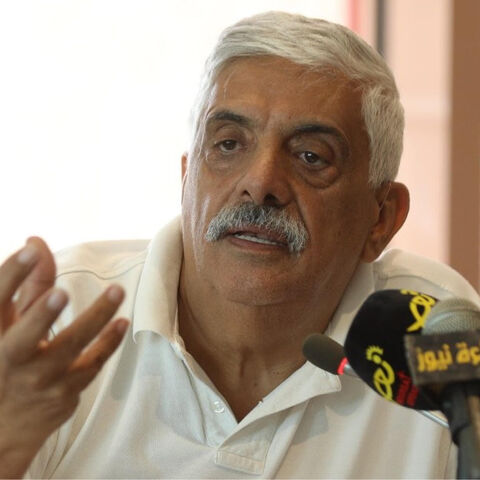
The most prominent Israeli politician with a chance of replacing Israeli Prime Minister Benjamin Netanyahu believes that peace with the Palestinians will take decades. Speaking at a rally in Netanya, north of Tel Aviv, on March 26, Yair Lapid, chairman of the center-right Yesh Atid, said “Any negotiations with Palestinians would need to be conducted in very slow stages.” By “slow” he meant 15-20 years.
Earlier, Israel’s current opposition leader, Isaac Herzog, had called for a decade of calm before any peace process could bear fruit. The Israeli Labor Party leader on Feb. 23 outlined a 10-point plan that called for 10 years of absolute calm on the west bank of the Jordan River, anchored and supervised by a UN Security Council resolution, before a Palestinian state could be truly independent.
It is not clear why such extended periods are deemed necessary before implementation of the internationally accepted two-state solution. While some might argue that the above statements were made in light of the growing expectation of early Israeli elections, according to some politicians and analysts, there is no doubt that the politicians making them believe that they are what the Israeli public wants to hear.
The long years that these politicians are advocating ironically correspond with two other long-term US-led plans to help Israel defend itself. The Iran deal, sponsored by the United States and the international community, constrains the nuclear activities of the Islamic Republic for 15 years. In September 2016, the administration of former US President Barack Obama signed a memorandum of understanding with Israel, in which the United States committed to supporting Israel with a huge, $38 billion military grant over a 10-year period.
AL-MONITOR All-Access gives you unlimited access to all our journalism, the full Daily Briefing, exclusive interviews, premium newsletters, and live events — for less than $2/week.