Can holding elections help ease divisions in Libya?
In an interview with Al-Monitor, the head of the High National Elections Commission talks about the need to hold elections in Libya and the challenges facing the commission in this regard.
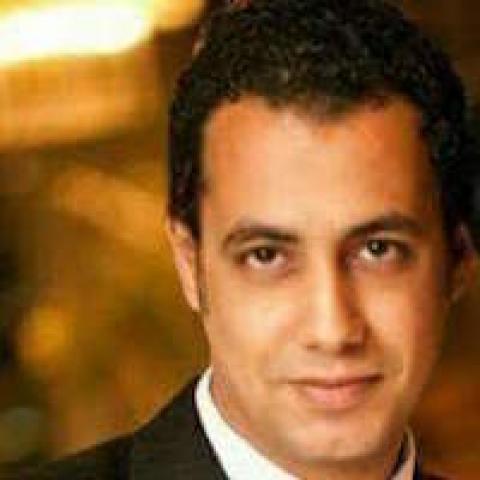

As Libya continues to reel under the brunt of division that left it with three governments, namely the Government of National Accord (GNC), the interim Libyan government and the rescue government formed by the General National Congress, it remains unclear when elections will next be held in the country. To identify the most important challenges facing the High National Elections Commission (HNEC), which was formed to complete the electoral process called for by UN envoy to Libya Ghassan Salame, Al-Monitor interviewed elections commission head Emad al-Sayeh on April 1, the day Libya closed registration of overseas voters. Sayeh explained the challenges facing the commission and showed how political differences, division and the multiplicity of governments could affect the electoral process in Libya.
Salame had called for presidential and parliamentary elections and a constitutional referendum by the end of this year in order to unify the ruling institutions in Libya.
The text of the phone interview follows:
Al-Monitor: Would it be better to hold the legislative or the presidential elections first? Why?


