How Israel and Egypt are coordinating on Gaza
By threatening to close the Gaza Rafah crossing point, Egypt signals to Hamas that it must reconcile with Fatah.
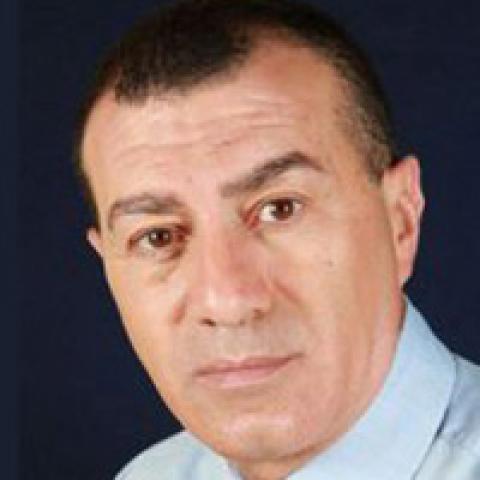

The Hamas delegation that visited Cairo on July 11 — led by the deputy head of the organization’s political wing, Saleh al-Arouri — faces a difficult decision. Unless it can prove its sincere willingness to advance the reconciliation process with the Fatah movement, Egypt will shut down the Rafah crossing — Gaza’s only passage to the outside world apart from the crossings into Israel.
Egyptian President Abdel Fattah al-Sisi has tasked the head of the country’s intelligence services, Maj. Gen. Abbas Kamel, with seeing through the endless saga between the two sides. On July 4, PLO Executive Committee member Azzam al-Ahmad told Kamel that Palestinian President Mahmoud Abbas was adamant about getting control of Gaza’s security forces as part of the reconciliation. However, the 83-year-old Palestinian leader had also concluded that he would have to achieve reconciliation with Hamas in order to wrap up his term with dignity and retire, according to Ahmed.
“Egypt is determined to pressure Hamas so that it understands the situation it’s in. Gen. Kamel knows exactly how to make that very clear,” a source in Gaza told Al-Monitor on condition of anonymity. The source, an associate of former Fatah leader Mohammed Dahlan, says Dahlan is working behind the scenes and the Egyptians see him as a key figure and consult him constantly.
Egypt has three main goals in pushing forward the Hamas-Fatah rapprochement.


