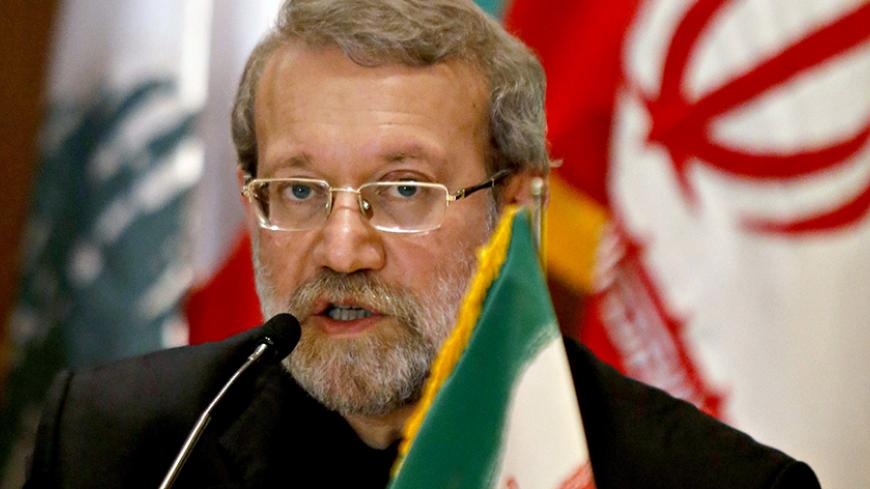
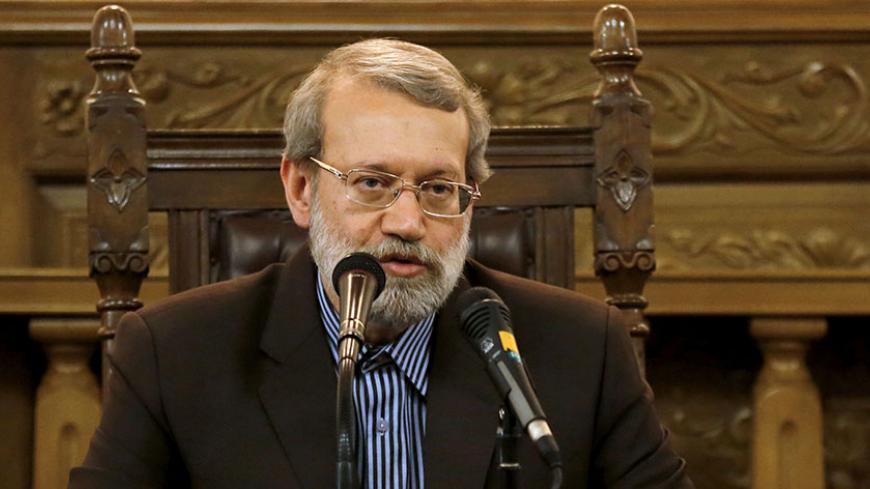
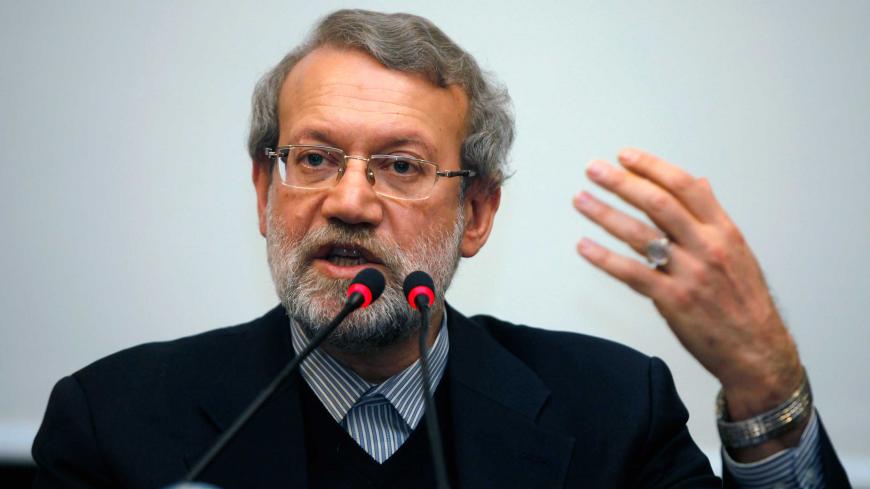
Parliament Speaker Ali Larijani set off a media firestorm by announcing that Supreme Leader Ayatollah Ali Khamenei has called for “structural reforms,” leading to speculation about the future of the government.
During a trip to Qom Feb. 6, Larijani said, “The Supreme Leader instructed that within the next four months there will be structural reforms, which can possibly lead to budget reforms.” He added, “After the work of the budget in parliament is finished, this discussion can be pursued.” Islamic Republic of Iran Broadcasting published a video of this segment of Larijani’s comments, leaving no doubt as to what was said. Larijani continued, “Structural reforms will be to facilitate the work of the people.”
Larijani, who some believe has political ambitions beyond the parliament speakership, is a seasoned Iranian politician and aware of the ramifications of publicly discussing orders by the head of state for “structural reforms.” Even reforms within the budget could have a large impact in the aftermath of the disclosures of allocations for previously unaccountable state institutions, which have come under fire over the past year. While reforms would be popular with the public, certain entrenched forces and recipients of budget allocations would definitely push back against any changes. Perhaps more terrifying for these forces, reforms could ultimately lead to changes within the political structure of the country.
Given the widespread reactions to Larijani’s comments, conservative media outlets were quick to report on clarifications by other members of parliament. Parliament member Behrouz Nemati, spokesman for the parliament’s presiding board, said, “The intention of the speaker was more budgetary structural reforms in the country.”
AL-MONITOR All-Access gives you unlimited access to all our journalism, the full Daily Briefing, exclusive interviews, premium newsletters, and live events — for less than $2/week.