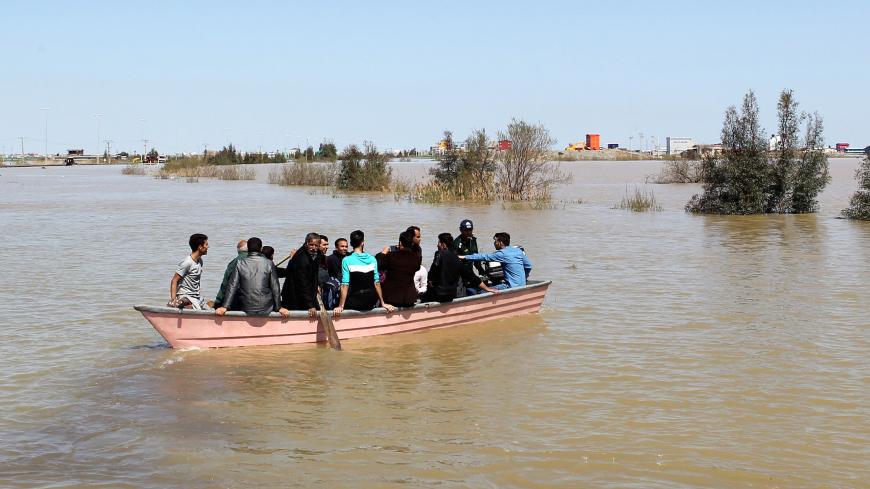
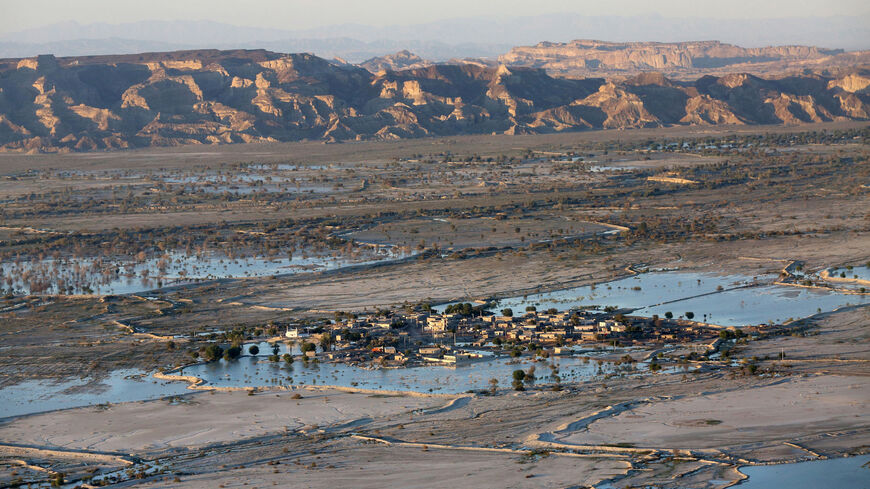
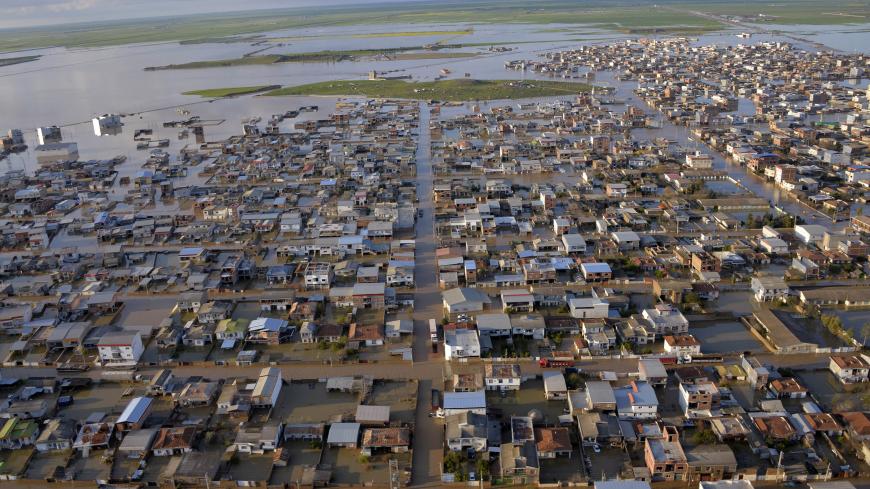
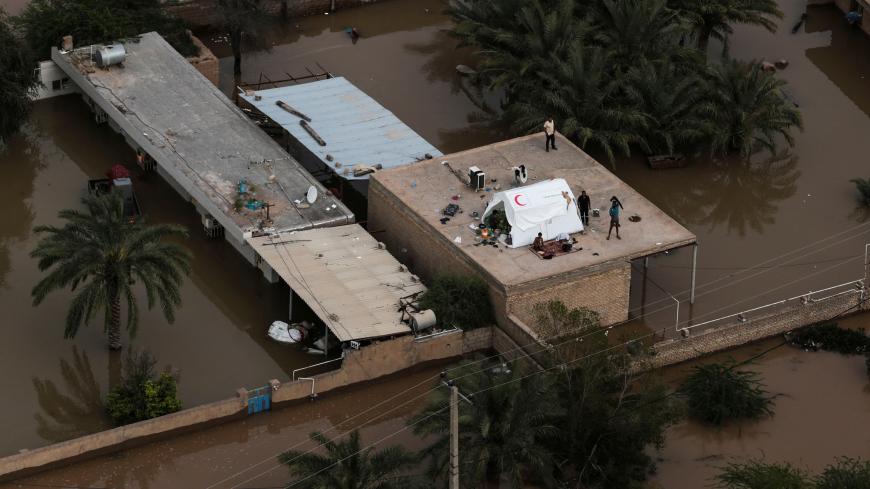
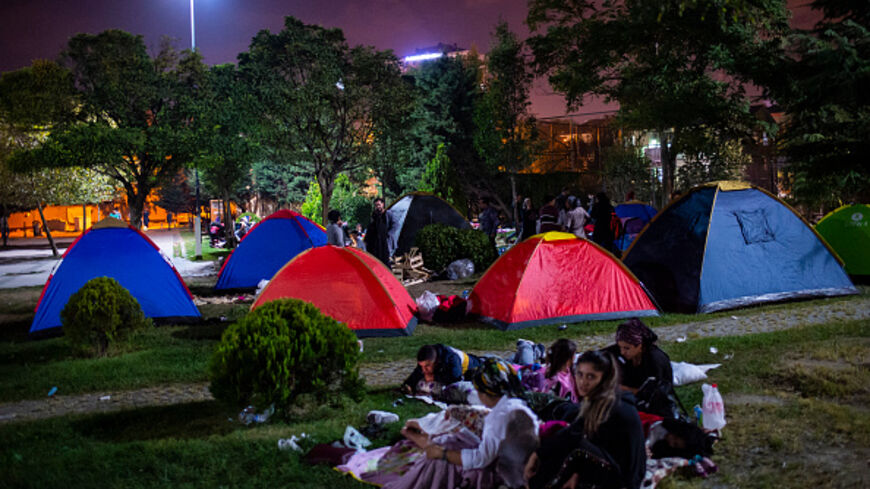
A trail of death and destruction left behind by heavy downpours in Iran's north and south has cast a dark shadow over Nowruz this year. The Iranian New Year — which began March 21 — characterized by celebrations, family visits and holiday trips has so far been but a mess for many who had planned it months ahead.
The government says it has been mobilizing all facilities to adequately respond to the disaster, but that does not seem to have appeased many critics. President Hassan Rouhani has come under immense pressure for failing to visit the inundated areas. "After the deadly collapse of the coal mine in Azadshahr [in 2017], Rouhani visited the site as part of his ridiculous election campaign [to garner votes]. But now floods have hit the same province and he is gone," one person tweeted.
State media reported that Rouhani attended a crisis management meeting in the capital city of Tehran March 26 where he made promises of quick relief while also criticizing those who "level accusations and disappoint the public" on social media platforms. The president was apparently back from a holiday on the southern Qeshm island in the Persian Gulf. It was unclear whether he had cut his stay short.
Speculation was growing about Rouhani's whereabouts as the floods first hit, with ordinary Iranians grappling with one of the worst natural disasters in the country in recent years. Many expressed their anger with a Persian hashtag translated as "Where is Rouhani?" with some even calling on him to resign. "Mr. Rouhani, you better submit your resignation from wherever you are. Your appearance will only open up people's wounds," read another tweet.
AL-MONITOR All-Access gives you unlimited access to all our journalism, the full Daily Briefing, exclusive interviews, premium newsletters, and live events — for less than $2/week.