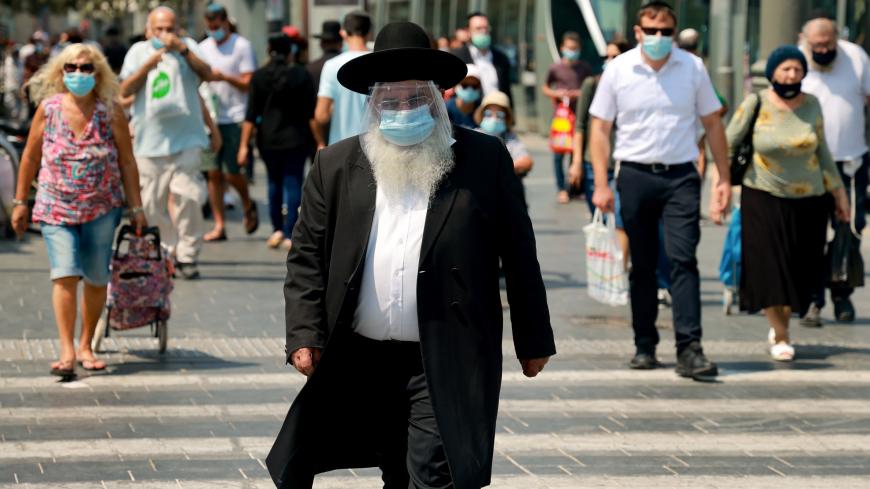
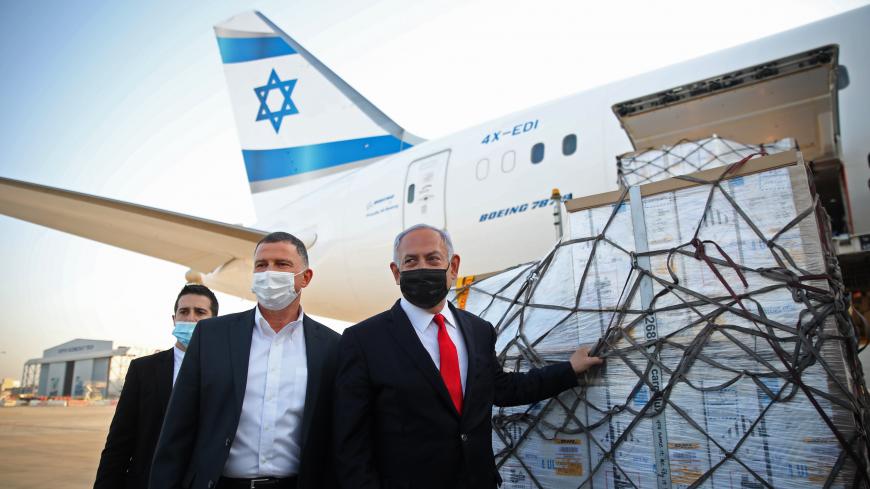
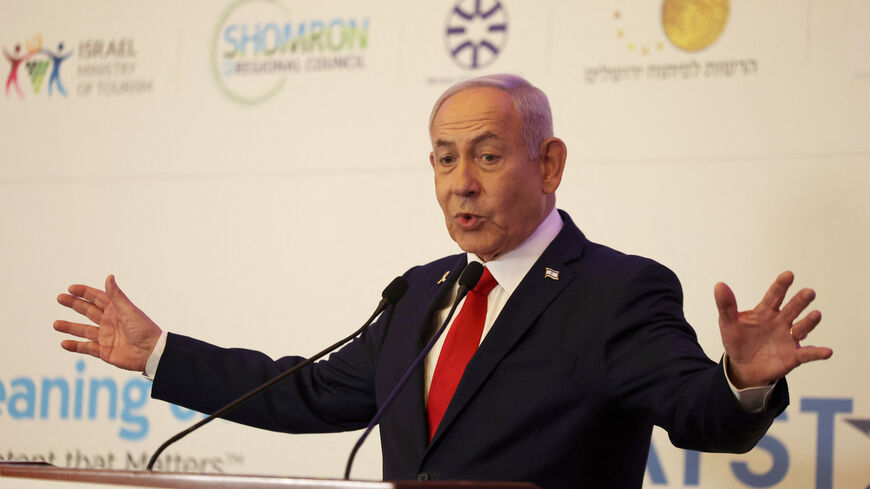
Prime Minister Benjamin Netanyahu finds himself simultaneously confronting two events of historic magnitude. The first is a tremendous diplomatic achievement with the signing of peace agreements between Israel and the United Arab Emirates (UAE) as well as Bahrain. The second is a colossal failure in the handling of the coronavirus crisis. Under Netanyahu, Israel has reached a health and economic crisis and become the first Western state to impose a second national lockdown at the height of the Jewish high holiday season.
As always, Netanyahu is trying to reap the benefits while depriving his partners and rivals of any credit and leveraging US President Donald Trump’s achievement. In the coronavirus arena, he is trying to spread the blame in every direction, accusing the political left and the news media, trying to embellish his own actions and promising Israelis full economic compensation and a bright future. His incredible political skills have convinced a significant number of Israelis of this alternate reality.
However, as Netanyahu knows, the coming months will likely vanquish even his well-oiled spin machine. The second nationwide lockdown, set for three weeks starting Sept. 18, will destroy what is left of Israel’s previously thriving economy. It is forecast to send tens of thousands of small and medium-sized enterprises into insolvency and dig Israel further into a hole. If Netanyahu can make someone else pay for the downturn, he is a certified genius.
Netanyahu arrived in Washington on Sept. 14 with his wife Sara and sons Yair and Avner. He did not bring Foreign Minister Gabi Ashkenazi, Defense Minister Benny Gantz, nor any other government ministers or Knesset members. Unlike the late Prime Ministers Menachem Begin and Yitzhak Rabin when they signed peace agreements with Israel’s Arab neighbors, he did not honor members of the Knesset opposition, the bereaved families of fallen soldiers or public figures representative of Israeli society with invitations to the event.
AL-MONITOR All-Access gives you unlimited access to all our journalism, the full Daily Briefing, exclusive interviews, premium newsletters, and live events — for less than $2/week.