Araghchi’s second act: Meet diplomat behind Iran’s nuclear deal gambit
Back at the table in Muscat, Iran’s veteran negotiator blends bazaar tactics with diplomatic finesse as talks with the United States quietly resume.
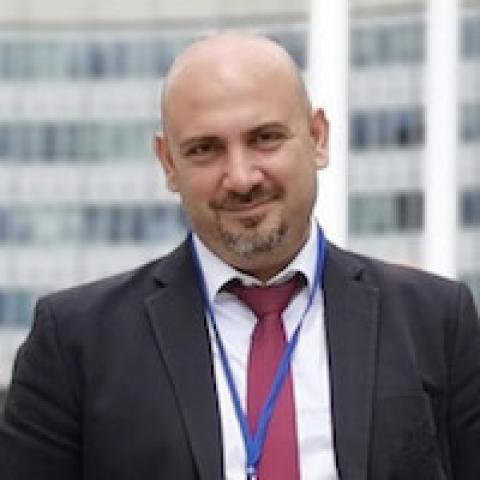

As Iran and the United States prepare to resume high-stakes nuclear negotiations this Saturday, one figure stands at the center of the diplomatic effort: Abbas Araghchi. A seasoned envoy and Iran’s foreign minister, Araghchi is leading Tehran’s delegation in the latest round of indirect talks — talks that mark a potential turning point in US-Iranian relations after years of hostility and silence.
These negotiations, launched April 12 in Oman and now entering a second round, follow a surprise move by President Donald Trump, who initiated this new diplomatic track by sending a letter to Supreme Leader Ayatollah Ali Khamenei in March. The US delegation is led by Trump’s envoy to the Middle East, Steve Witkoff, a former real estate executive and close Trump confidant whose appointment signaled a more transactional, yet personally engaged, approach to diplomacy. Though no formal agreement is on the table yet, the revival of dialogue has reignited hopes — and skepticism — about whether a new nuclear deal can be reached.
Araghchi’s return to the negotiating table evokes the spirit of earlier diplomacy, particularly the landmark 2015 Joint Comprehensive Plan of Action, which he helped shape as deputy foreign minister. That deal collapsed in 2018 when Trump abruptly withdrew the United States, reimposing sanctions and triggering years of escalating tension. Now, with a new political team in Washington and mounting pressure on both sides, Araghchi finds himself navigating a radically altered landscape.
A veteran diplomat and wartime Islamic Revolutionary Guard Corps member, now Iran’s lead negotiator, Araghchi is not just a seasoned envoy but the architect of what he terms “the power of negotiation” — which is also the title of his newly translated book ("Quwwat al-Tafawud"), published in Arabic by Dar Hashem in Beirut.


