US halts Iraq dollar cash shipment after militia strikes, sources say


By Ahmed Rasheed, Maha El Dahan and Timour Azhari
BAGHDAD/DUBAI April 21 (Reuters) - The United States has halted a shipment of about $500 million in cash bound for Iraq and suspended parts of its security cooperation with Baghdad, in a move aimed at pressuring the Iraqi government over the actions of Iran-backed militias, Iraqi sources told Reuters.
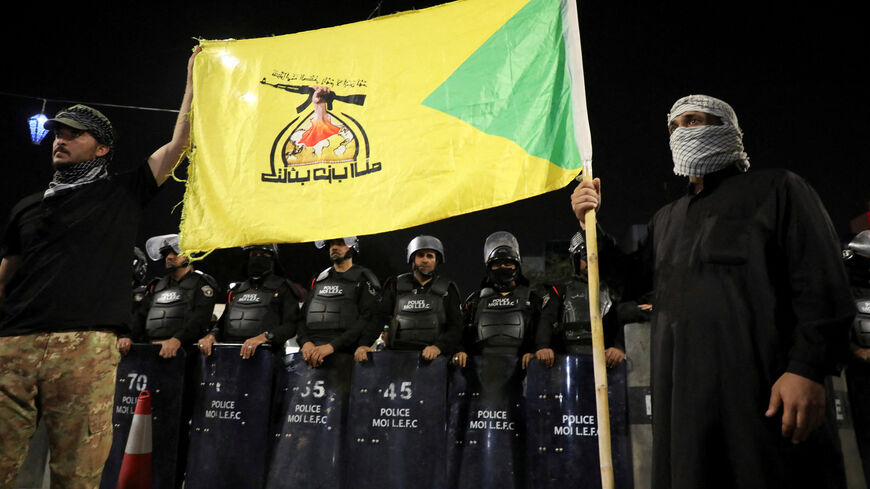
The measures were taken as the fallout from the Iran war increasingly pulls Iraq into the conflict, with Iran-aligned armed groups in Iraq launching repeated drone and rocket attacks on U.S. facilities and neighbouring states in support of Tehran.
The conflict has also been accompanied by U.S. strikes on armed groups in Iraq, adding pressure on Prime Minister Mohammed Shia al-Sudani's government as it tries to balance tensions between Washington and Tehran on Iraqi soil.
Five Iraqi sources said the move was limited to shipments of physical U.S. currency, between $450 million and $500 million, that are periodically flown into Baghdad.
The cash is mainly used to meet retail foreign exchange demand, including for travel, medical treatment and overseas study, while electronic dollar transfers used for imports and trade remain unaffected, an economic adviser to Sudani said. The U.S. Treasury Department and the Federal Reserve did not immediately respond to a request for comment.
The move was first reported by the Wall Street journal.
An Iraqicentral bank official said there had been no formal notice of a halt to deliveries. A shipment expected in April had not arrived, and the status of another expected in May was unclear, the official said.
The cash is generated from Iraq's oil revenues and routed through the Federal Reserve Bank of New York to the Central Bank of Iraq, under a complex system in place since the 2003 U.S.-led invasion of the country.
An Iraqi foreign ministry source said Washington warned Baghdad through diplomatic channels that it would no longer tolerate the government's failure to rein in Iran-aligned militias, who are represented in parliament and government.
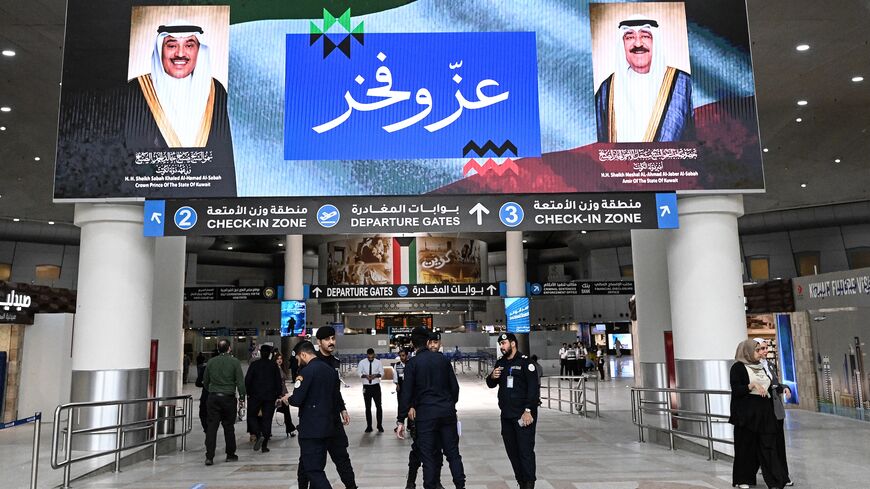
The warning referred to attacks blamed on Iraqi militias against U.S. targets, including repeated strikes on the U.S. embassy in Baghdad and the U.S. consulate in Iraq's Kurdistan region, as well as rocket and drone attacks on Saudi Arabia, the UAE, Bahrain, Kuwait, Jordan and Syria.
The source said Saudi Arabia, the UAE and Kuwait lodged formal protests with Iraq this month over attacks launched by militias operating from Iraqi territory.
Earlier this month, Saudi Arabia summoned Iraq's envoy in Riyadh and Bahrain summoned Iraq's charge d'affaires in Manama over attacks they said were launched from Iraqi territory.
"Washington will not support any Iraqi government that is incapable of curbing militias backed by Iran from attacking U.S. interests and its Gulf allies," the foreign ministry source said. "This was a clear message from the United States to Baghdad."
A Shi'ite politician close to Sudani said Washington had also put military and security cooperation with Iraq -- a key ally in the fight against Islamic State -- on hold.
That includes intelligence sharing previously provided to Baghdad. A senior Iraqi military officer said routine joint meetings with the U.S. military had also been suspended.
(Additional reporting by Muayad Hameed in Baghdad and Ananya Palyekar in Bengaluru; Editing by Tom Hogue, Kate Mayberry, William Maclean)