Trump says no talks planned with Iran, Tehran says Strait of Hormuz still shut


By Parisa Hafezi and Katharine Jackson
DUBAI/WASHINGTON, Aug 18 (Reuters) - U.S. President Donald Trump said on Tuesday no talks were taking place with Iran and insisted the Strait of Hormuz was open, contradicting Iran's assertion that the critical waterway remained shut to shipping.
The receding prospects of a deal to end the nearly six-month conflict drove up oil prices again on Tuesday, while stock markets sagged and borrowing costs for major economies including the U.S. hit multi-decade highs, amid concerns about the long-term inflationary and fiscal impact of the crisis.
A temporary ceasefire agreement expired on Monday and a senior Iranian official told Reuters that his country was moving to a "fully offensive" military posture due to the diplomatic stalemate, though there were no reports of fresh strikes by either side on Tuesday.
"There are no talks or conversations going on, or scheduled, with the Islamic Republic of Iran," Trump said in a post on Truth Social.
"The Naval Blockade remains in full force and effect. The Hormuz Strait is open and operating. All water mines have been removed or detonated," he added.
On Monday, Jared Kushner, Trump's son-in-law and special envoy, had struck an upbeat tone, saying talks with Iran were still under way and were "probably more robust" than they had ever been.
The nearly six-month conflict, which began with joint U.S.-Israeli strikes on Iran, has settled into a standoff, with Iran continuing to threaten shipping in the strait and Washington saying it could renew attacks if talks do not yield a long-term settlement.
Among the top U.S. goals are preventing Iran from acquiring a nuclear weapon, but experts say that will be difficult without removing the enriched uranium believed to be buried at sites struck by the U.S. military previously.
SHIPPING DISRUPTED
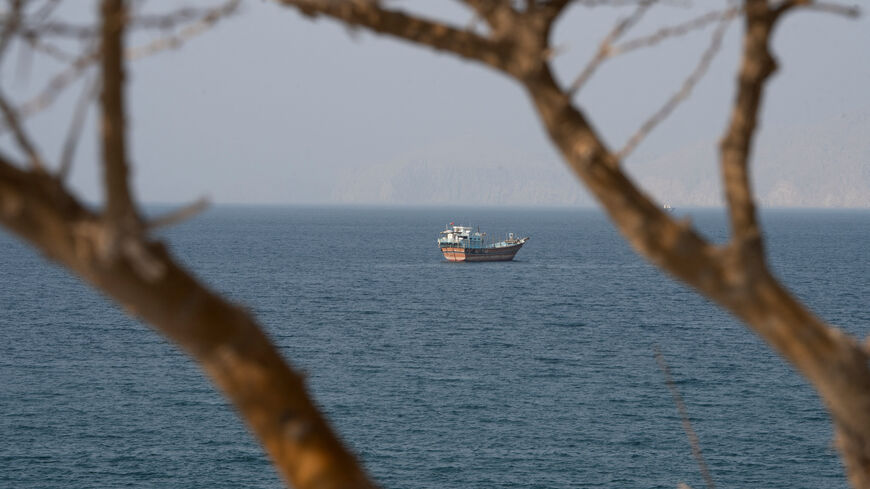
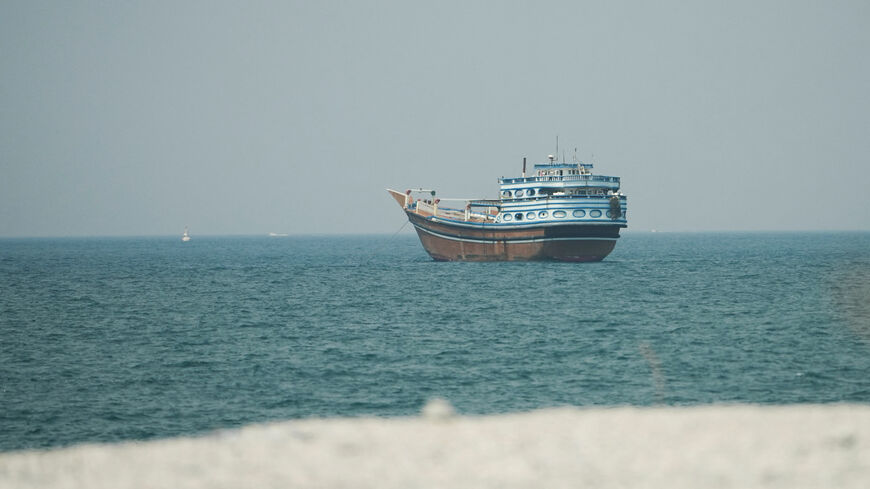
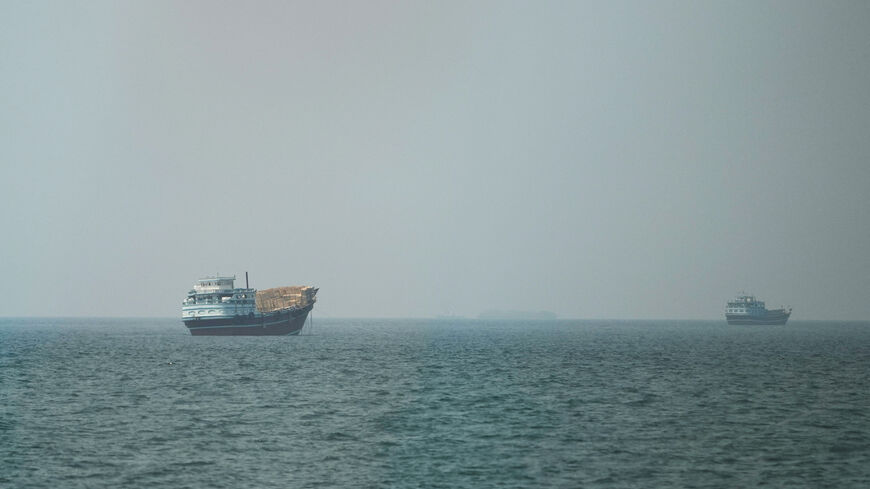
Despite Trump's assertions that the situation in the Gulf was improving, countries continued to report attempts to disrupt shipping.
The United Arab Emirates' Defense Ministry said that it detected two ballistic missiles launched from Iran, the first such incident reported since a May 4 strike on the Fujairah port.
It later reported that the missiles were targeting "maritime traffic" based on its assessments, according to a statement posted on X. It said both missiles fell into the sea.
Iran's foreign ministry spokesperson Esmaeil Baghaei rejected the comments and said the UAE's "accusations" were "baseless."
The UAE Foreign Ministry said it had suspended all trade activities, exchanges and financial transactions with Iran until further notice, citing regional escalation that it said undermined regional and international peace and security.
Direct cargo shipping between the UAE and Iran had only resumed in late June via Dubai’s Jebel Ali Port. The UAE had suspended direct shipping in early March, just days after the war began.
The United Kingdom Maritime Trade Operations said it received a report on Tuesday that a vessel was struck by an unknown projectile while sailing out through the Strait of Hormuz, causing engine room damage and a crew casualty.
The Omani Coast Guard was assisting the remaining crew, according to the report. There was no immediate comment from Tehran.
Preliminary shipping data on Tuesday showed ship crossings via the Strait of Hormuz were still in single digits on Monday.
Top Iranian negotiator Mohammad Baqer Qalibaf said in comments published by state media that the strait would remain shut until the U.S. met the conditions of an interim deal signed with Iran in June.
These conditions include the U.S. ending its blockade of Iranian ports, lifting oil sanctions, releasing Tehran's frozen assets, and ending threats and military operations on all fronts, Qalibaf told parliament.
A memorandum of understanding signed on June 17 had set a 60-day time frame for a broader deal on Iran's nuclear programme and U.S. sanctions. That period elapsed on Monday and Trump said he had no plans to extend it.
The agreement, which declared the "immediate and permanent termination of military operations on all fronts," had quickly unravelled over a dispute about control of the Strait of Hormuz, the narrow waterway through which a fifth of global oil and liquefied natural gas flowed before the war.
IRAN SAYS IT STILL OPEN TO TALKS
Iran remains open to dialogue with the U.S. but does not confuse negotiations with surrender, Mohammad Mokhber, an adviser to Iran's supreme leader, said on Tuesday, according to the semi-official Fars news agency.
Mokhber said military pressure and sanctions would not break Iran's resolve and that the country would defend its security, dignity and allies while not seeking war.
Even as Iran projects resilience in the war, its leaders are worried that a threat of more economic punishment could increase hardships, reignite unrest and further erode the Islamic Republic’s legitimacy, according to three Iranian officials.
Thousands of people have been killed in the conflict, mainly in Iran and Lebanon. Iran has struckU.S. military bases and infrastructure in countries including Oman, Jordan, Kuwait, Israel, the United Arab Emirates and Saudi Arabia.
Benchmark Brent crude oil futures have surged during the conflict, hitting a peak of $126 a barrel, roughly 75% above pre-war levels. Brent crude futures settled up 20 cents on Tuesday at just over $91 a barrel.
A U.S. administration official reiterated warnings that Washington could go further on hitting Iran's economy following multiple sanctions actions.
"There are many levers the president can crank harder in the weeks and months ahead."
(Additional reporting by Reuters bureaux; Writing by Gareth Jones and Costas Pitas; Editing by Alison Williams and Sanjeev Miglani)