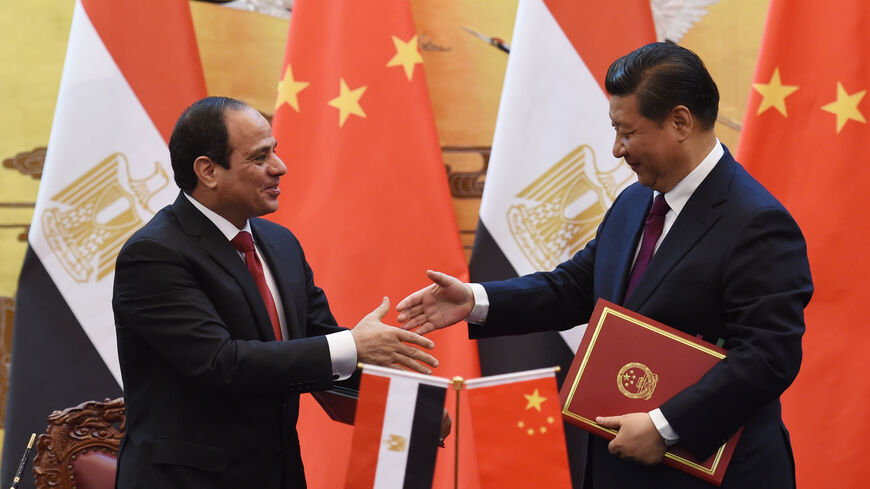
Egyptians are a domestically-obsessed population right now. It’s understandable given the state of the country 15 months after Hosni Mubarak was ousted from power.
But one of the few foreign policy issues that has featured prominently in the post-Mubarak public discourse has been the future of the Camp David Accords and the overall Egyptian-Israeli peace. None of the original 13 candidates in the still-ongoing Egyptian presidential race made the relationship with the Jewish State a central campaign platform. But every candidate has had to address it; and the things they’ve had to say could challenge Western assumptions that an Islamist-controlled government would be the biggest threat to peace between Israel and Egypt.
One of the cornerstones of Mubarak’s 29-year reign was a continuation of his assassinated predecessor Anwar Sadat’s commitment to his relationship to the United States — and by proxy his commitment to Camp David. It was a policy he maintained even at the expense of his own domestic prestige. His final years in power were partially spent fending off accusations from critics that he was complicit in the Israeli blockade of the Gaza Strip and was essentially a puppet of Washington and Jerusalem. After Mubarak fell, one of the least surprising steps taken by the new transitional authority was the suspension of an Israeli-Egyptian natural gas deal — a highly unpopular agreement that saw Egypt selling gas to its ally/adversary at well below market rates.
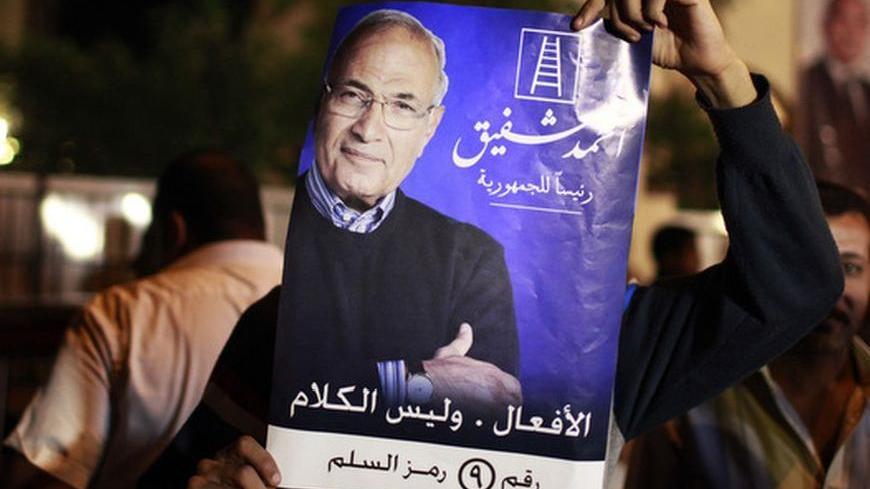
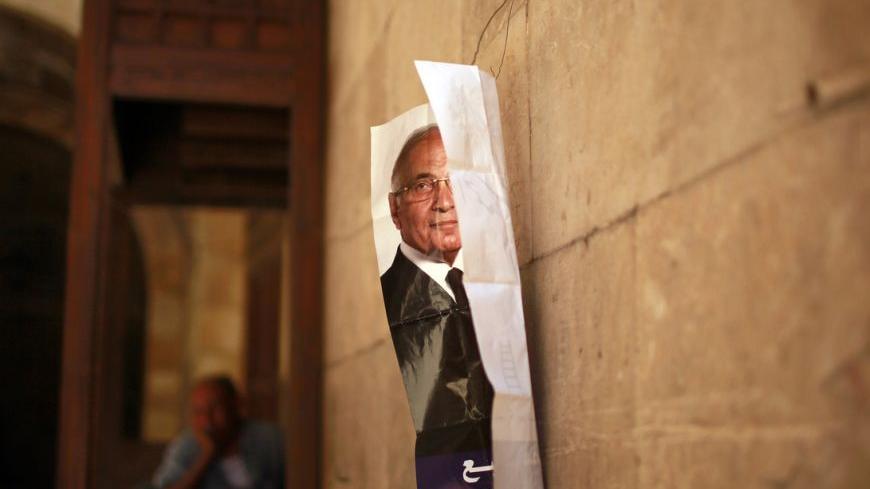
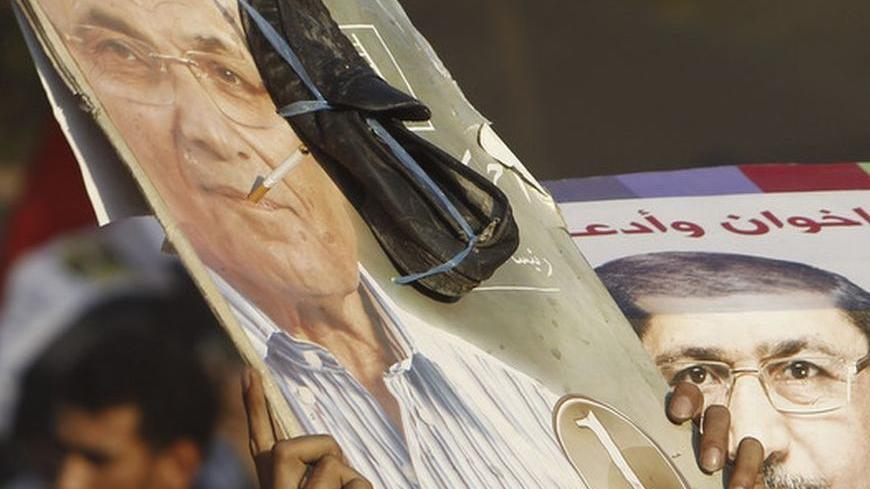
First-round presidential voting in late May yielded a run-off between Mohammed Morsi of the Muslim Brotherhood and Ahmed Shafiq, a former Air Force Chief, Mubarak-era minister, and all-purpose symbol of a return to the old regime.
AL-MONITOR All-Access gives you unlimited access to all our journalism, the full Daily Briefing, exclusive interviews, premium newsletters, and live events — for less than $2/week.









![CORRECTION / A picture taken in Riyadh shows the sign in Arabic of an Aramco gas station on the outskirts of the Saudi capital Riyadh on November 5, 2024. Energy giant Saudi Aramco reported a 15 percent year-on-year drop in third quarter profit on November 5, 2024, citing low oil prices. (Photo by Fayez Nureldine / AFP) / "The erroneous mention[s] appearing in the metadata of this photo by Fayez Nureldine has been modified in AFP systems in the following manner: changing the second phrase to refer to Saudi](/sites/default/files/styles/article_header/public/2025-06/GettyImages-2182386773.jpg?h=cf3e9931&itok=KhUT9CNw)