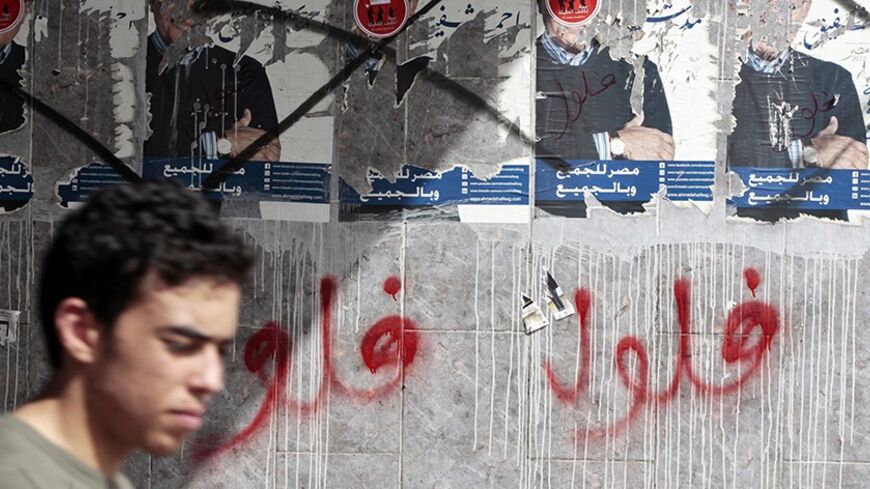
A few days after Mubarak was forced to step down, the word foloul came into use. The word in Arabic literally means "scattered remnants of a defeated army." It was first intended to describe key pillars of the old regime: members of the cabinet and the parliament, key operatives of the National Democratic Party (NDP), corrupt politicians, pro-Mubarak and regime-apologist members of the media, business partners in suspicious deals, heads of the security apparatus and so on. But with time, the sphere started to expand, reaching almost every official who took part in government and served with some power or capacity to change things but chose to swim with the flow. The concept then expanded further as the revolutionaries started to label entire families as partners of the old regime, a result of old affiliations of heads of these families with the NDP.
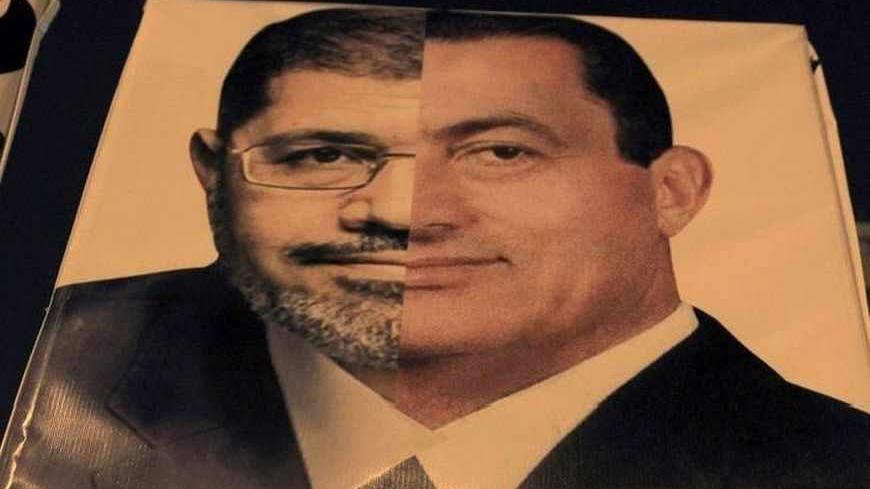
Fears of a counter-revolution were high. Many activists felt that the Supreme Council of the Armed Forces (SCAF) was applying a “containment” strategy, as confrontation seemed too risky and bloody. The foloul were just hiding in the shadows, waiting for an opportune moment to make a grand comeback and re-install the old regime with perhaps minor cosmetic changes in a way that will recapture their privileges and secure their interests.
There were various attempts to remove the foloul from public office, hold them criminally accountable and prevent them from running in future elections or holding public office for a long probation or exclusion period. Foloul was a shameful and hurtful label, and many people who casually worked with the previous regime would feel bitter and try to deny their "foloulness."
In those early days of post-revolution euphoria, the air was full of the promise of a new Egypt. The foloul label was considered an insult which embodied accusations of treachery, corruption, collusion with the old regime against Egypt’s best interests or at least cowardice of those who “cooperated” with the regime, witnessing its corruption and tyranny, yet closing its eyes while enjoying undeserved privileges at the expense of the people. As attempts to legislate a ban on the members of the NDP that would prevent them from running for parliament failed, activists started a “People’s Disenfranchisement” movement, with “Emsek Foloul,” roughly translated as “Beware of Foloul" or "Catch the Foloul,” as the most famous slogan of the campaign to curb the foloul’s success during the parliamentary elections.
AL-MONITOR All-Access gives you unlimited access to all our journalism, the full Daily Briefing, exclusive interviews, premium newsletters, and live events — for less than $2/week.