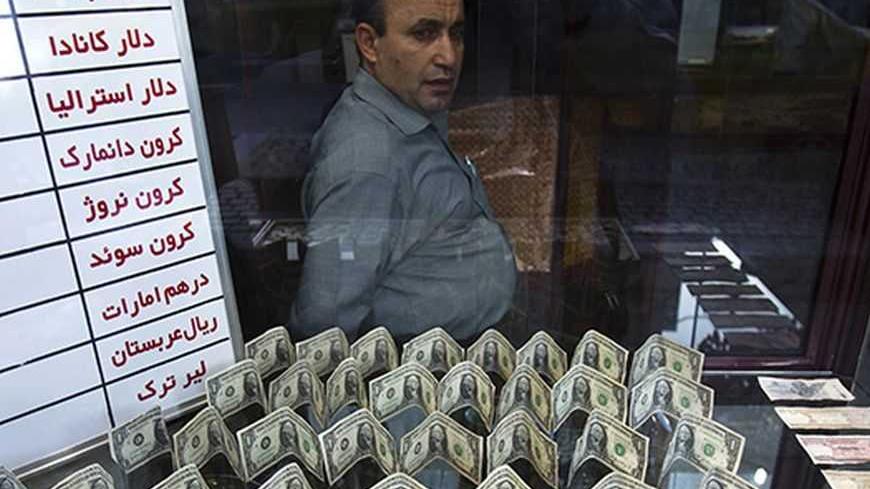
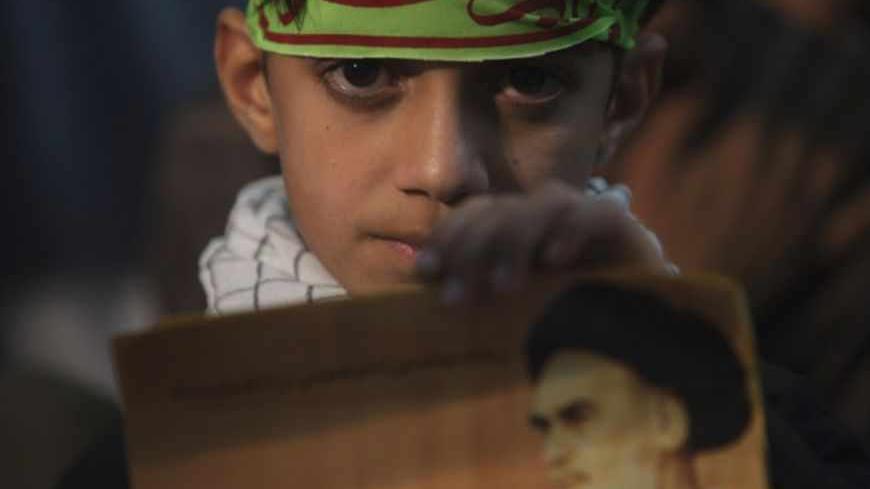
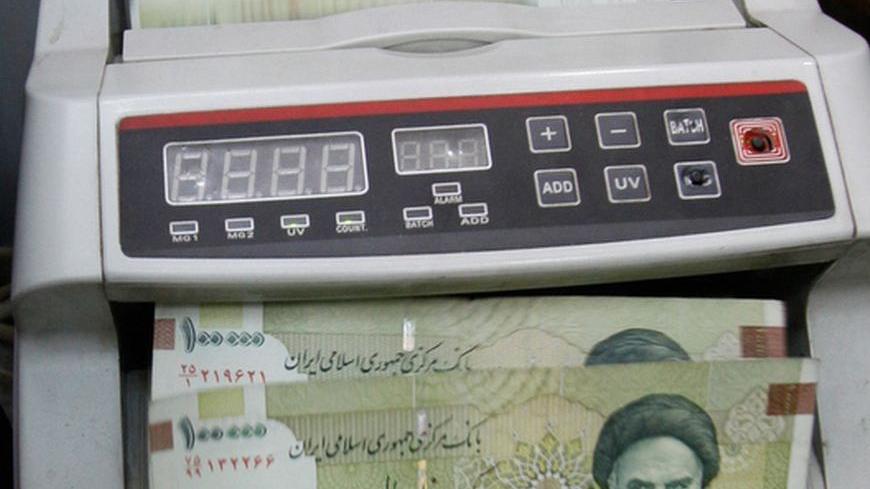
It is widely believed that a dismal economy hurt by sanctions was the main reason Iran returned to negotiations with the five permanent members of the UN Security Council plus Germany in April.
Early hopes of quick progress were dashed last month in Baghdad, with Iran rejecting tough demands by the P5+1. If the latter’s negotiating position was influenced by the common wisdom that sanctions have pushed Iran’s economy to a point of imminent collapse, then it makes sense for them to maintain a hardline position hoping for a rapidly weakening economy to soften the Iranian side. In that case, there is little reason to be optimistic about the next round of negotiations scheduled in Moscow June 18-19.
For their part, the Iranians do not seem to be behaving as if their economic clock is ticking. Are they bluffing or looking at a different set of facts? Whereas reports in the West paint a dire picture of a failing economy, data supplied by Iran to international organizations depict an economy that, while facing serious challenges, is not on the verge of collapse.
Because Iran’s economy is at the center of the nuclear standoff, it is important to examine a few of the major issues of contention that drive these divergent narratives.
AL-MONITOR All-Access gives you unlimited access to all our journalism, the full Daily Briefing, exclusive interviews, premium newsletters, and live events — for less than $2/week.