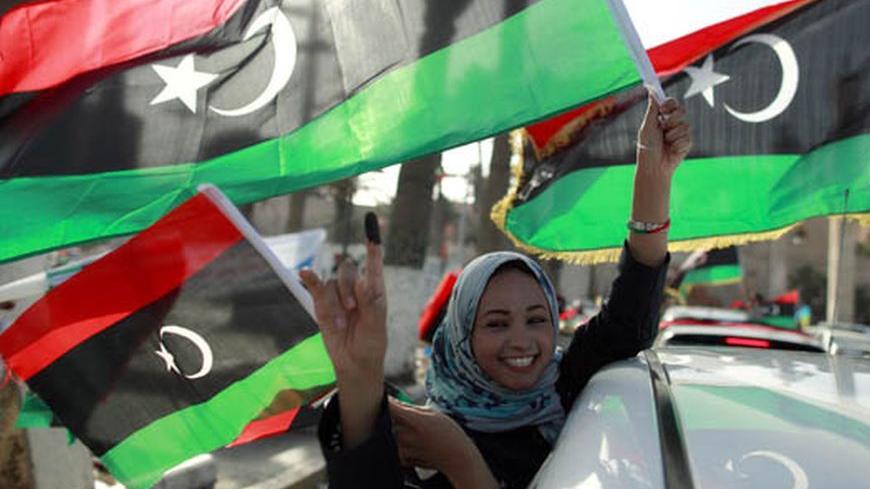
Returning from observing the July 7 Libyan elections last week, it was hard for me to believe that Libya — a pariah state for most of my adult life — might be on the path to democracy. Why, I wondered, did the elections go so well? Why were the results so “good” from a US as well as Libyan perspective? What are the implications of the results for the US and the region?
Based on my experience in Benghazi, the answers so far are encouraging, although significant challenges remain.
The elections went well because that is what the Libyans wanted. Without exception, the politicians I spoke with rejected last-minute appeals to vote for Islamists, as well as even more extreme Islamist and “Federalist” views opposed to voting at all. At least some of the Federalists, who want a commitment to a Libya formed from its three historic regions, have acknowledged defeat and proclaimed that the Libyan people have spoken in an election that drew 62% participation. Most Libyans wanted to vote and felt invested in the electoral process, which was organized and paid for by the Libyans themselves.
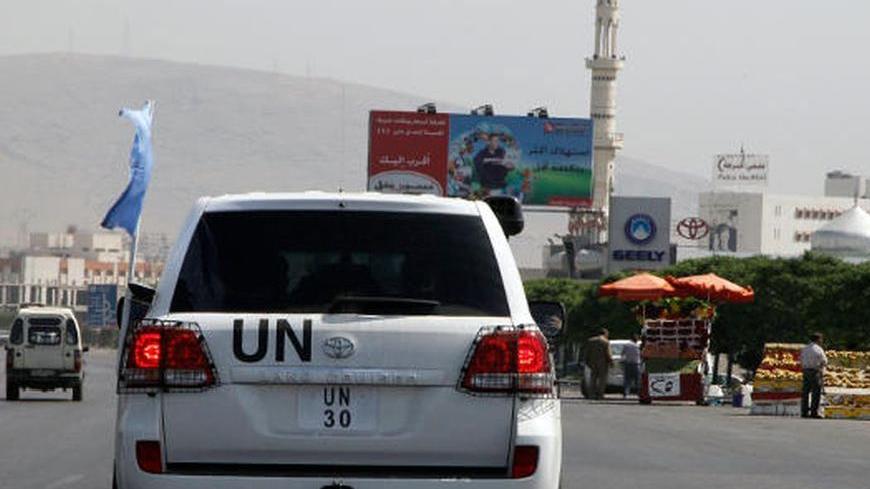
The assistance the Libyans got from the United Nations and US-backed organizations such as the National Democratic Institute and the International Foundation for Electoral Systems was wide-ranging, but did not deprive Libyans of ownership. Relatively quick sanctions relief ensured that the National Transitional Council’s coffers were full. When I asked the manager of the tallying center in Tripoli how he managed to get the ballots and tally sheets to the capital so fast from far-away Tobruk, near the border with Egypt, he responded, “I sent the plane.” Elections conducted in many municipalities during the spring were in some ways a practice run and whetted the electoral appetite.
AL-MONITOR All-Access gives you unlimited access to all our journalism, the full Daily Briefing, exclusive interviews, premium newsletters, and live events — for less than $2/week.