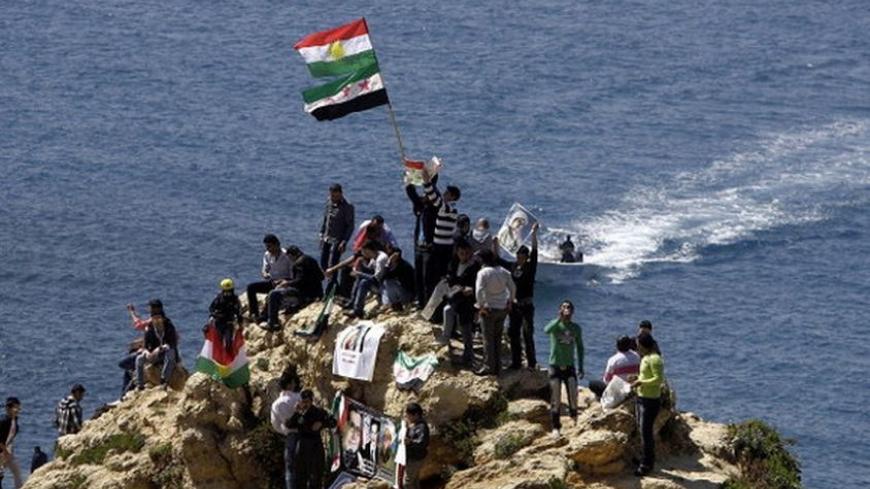
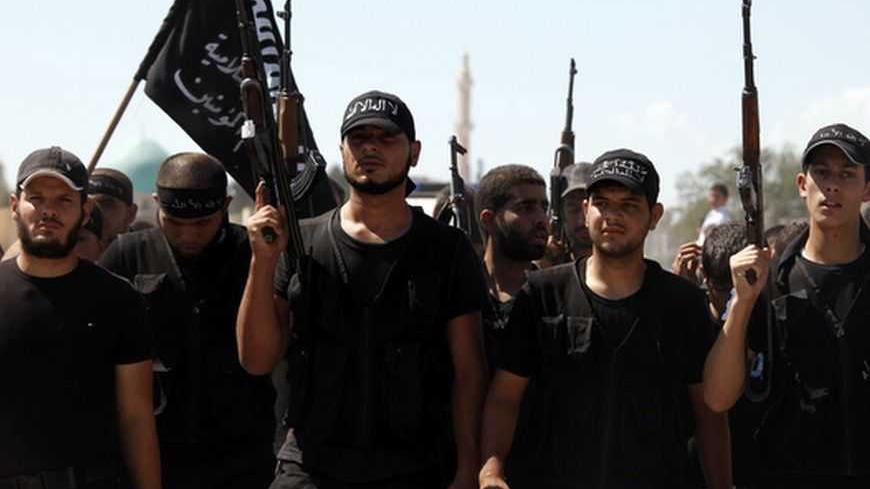
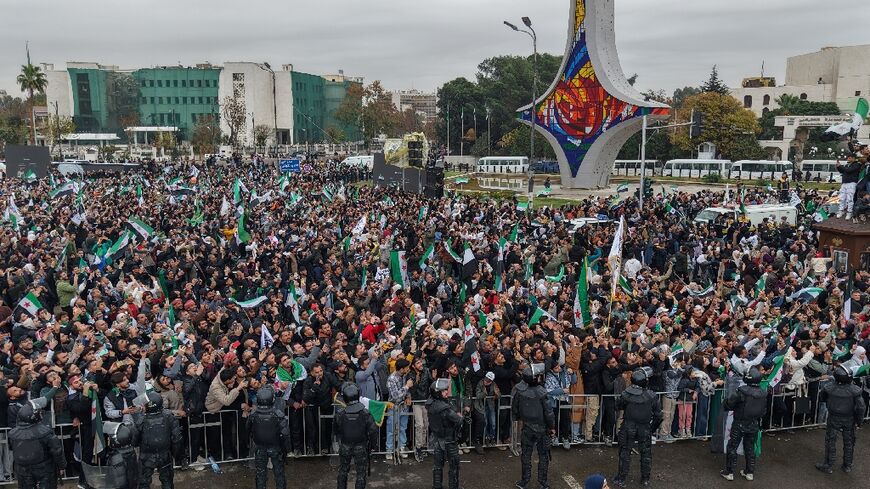
The recently created Syrian National Coalition for Opposition and Revolutionary Forces has renewed some hopes for a viable replacement to the Assad regime. Founded during a series of meetings in Doha, the group already has been recognized by the governments of France, Turkey and the Arab Gulf states as the “sole legitimate representative of the Syrian people,” with cautious support by the European Union and the United States. With this backing the Coalition aims to garner the foreign and military support it claims it needs to break the current stalemate, overthrow the regime in Damascus and establish an interim government.
Yet focusing singularly on how to empower a Syrian opposition against Assad is a misguided one that deflects the increasingly sectarian nature of the conflict and its impact on internal and regional stability. Instead of a neutral force seeking to unify the country’s increasingly fractious populations, the Coalition is driven by sectarian interests that are pitting Sunni Arabs against Alawites, while alienating other minority groups. Unless this sectarian divide is reconciled, the Coalition will face the same fiasco as its defunct predecessor, the Syrian National Council (SNC). Worse still, it will further encourage the Somalization of Syria as local groups carve out and consolidate their own power bases on the ground.
Indeed, the new Coalition has attempted to create a more inclusive force and broaden its appeal to Syrian populations. Unlike the SNC, which was dominated by an Aleppo elite and the Halabi clique of the Muslim Brotherhood, the Coalition has brought in key leaders from the heart of Damascus, including Moaz al-Khatib, an imam from Damascus' Grand Umayyad Mosque, alongside Riyad Saif and female secular activist Suhair al-Atassi as joint vice presidents. The coalition also has included minority group representatives and plans to create a leadership council with Alawites, Christians and Kurds to further court minority support
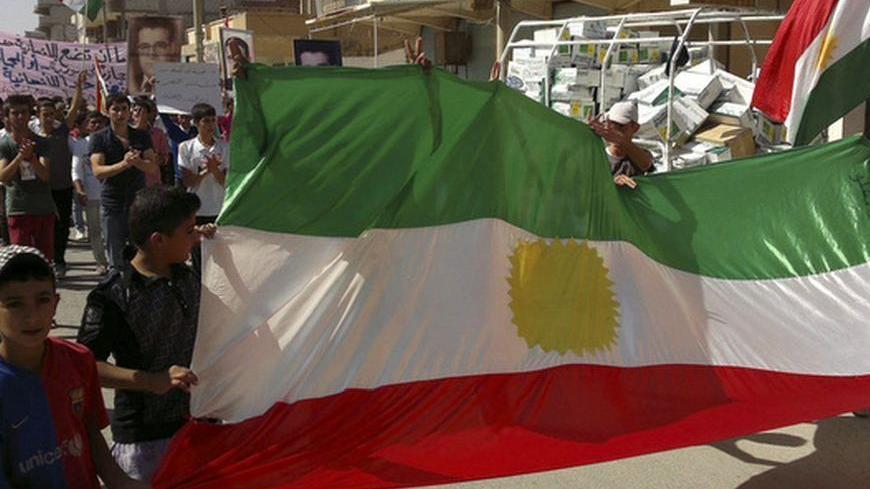
Still, the Coalition better represents the sectarian interests of its foreign supports than it does Syrians on the ground, including youth or local councils. The Doha meetings were largely inclusive of Qatari councils and other regional actors that hand-picked local representatives to whom they could channel arms, money and aid. The Kurds, for instance, were chosen by Turkey and Iraqi Kurdish leader Massoud Barzani from the Kurdish National Council (KNC) — a group under Barzani’s auspices that has little credibility among the vast majority of Syrian Kurds. In many ways the coalition is no different from the SNC but with different external actors in the lead. Instead of Ankara in command, the project is now directed by Qatar and other Arab Gulf states, with offices in Istanbul and Cairo.
AL-MONITOR All-Access gives you unlimited access to all our journalism, the full Daily Briefing, exclusive interviews, premium newsletters, and live events — for less than $2/week.