In 1774, in the Treaty of Kucuk Kaynarca, the Russians assumed the role of protector of Orthodox Christians in the Ottoman Empire. Russian interest in Christian minorities in the Middle East continues to this day as Moscow frets over their future. These concerns, however, could provide the West and Moscow with a way to resolve the Syrian crisis.
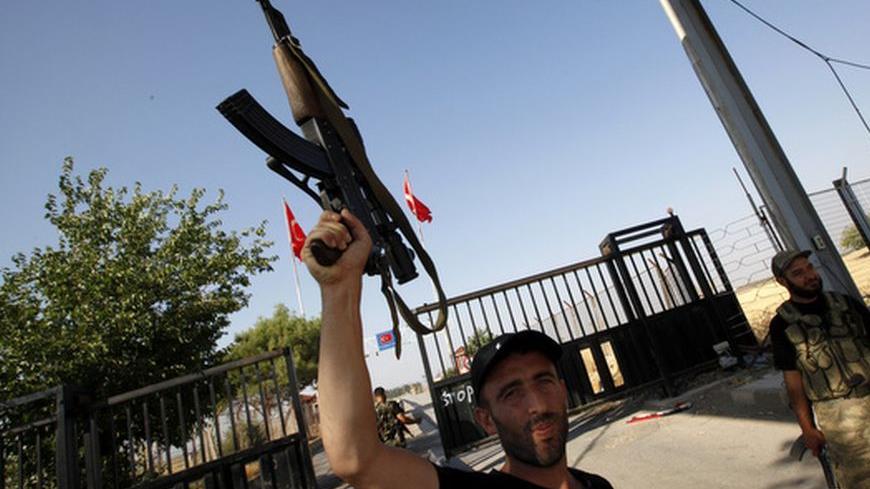
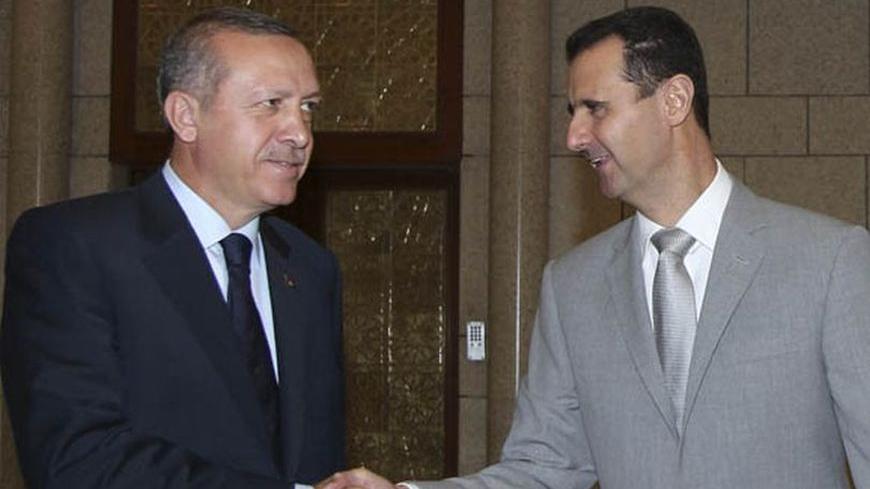
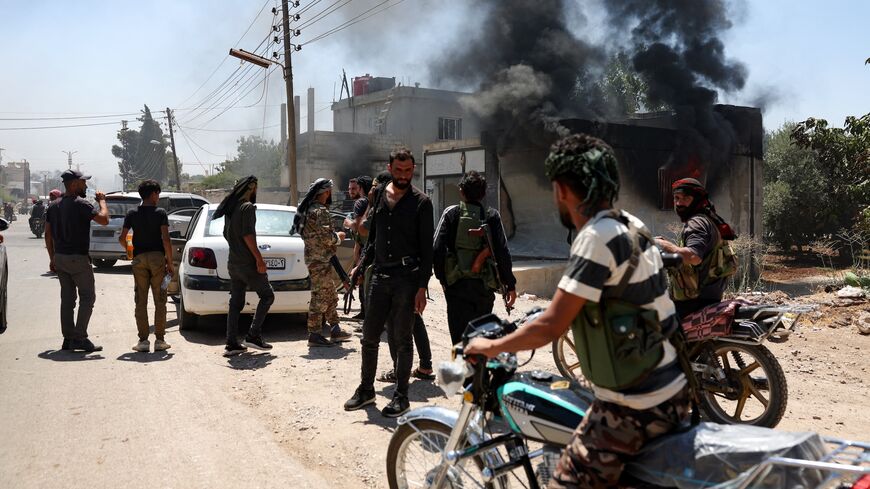
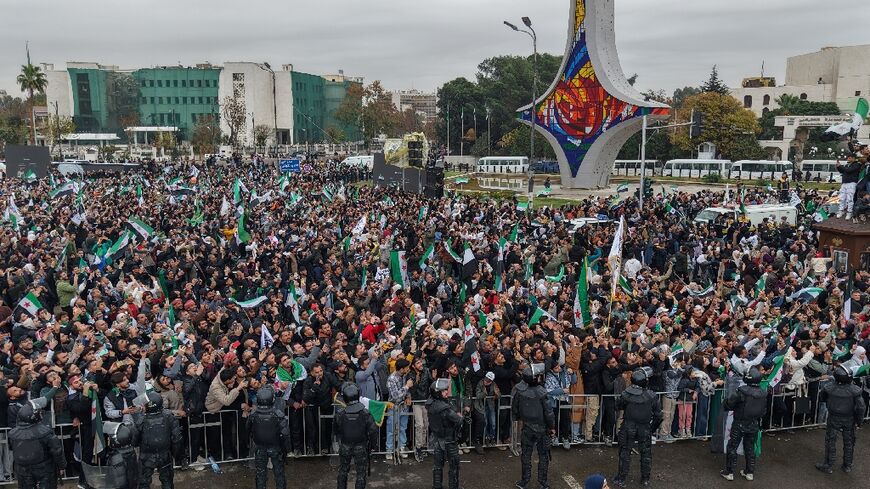
The Russians have been adamant in blocking any type of punitive UN Security Council action against the regime of Syrian President Bashar al-Assad. Secretary of State Hillary Clinton has forcefully accused the Russians of complicity in the massacres in Syria as the regime’s all-out assault on civilians continues. Syria is on the verge of full-scale sectarian civil war between the majority Sunni population and minority Alawites, who control the reins of power.
Russia has resisted regime change in Syria in part because Moscow does not want to be once more humiliated, as it was in Libya, by playing second fiddle to an American-led effort to undo yet another of its long-standing allies and clients. In addition to its military-procurement contracts with Russia, Syria hosts a Russian naval facility and has traditionally served as an important point of entry for Russian diplomacy in the wider Middle East.
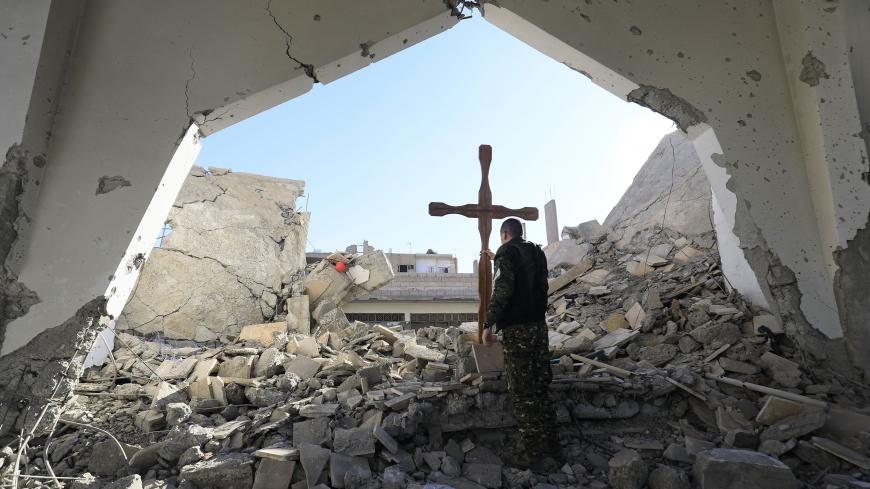
There is, however, another dimension to Russian obduracy: domestic politics. A major factor is the Russian Orthodox Church’s apprehension regarding the fate of Christians in Syria. Fearful that the Syrian Sunnis are part of region-wide fundamentalist movement intent on imposing strict Islamic rule, Syria’s Christians have sided with the secular, albeit dictatorial, Alawite regime.
AL-MONITOR All-Access gives you unlimited access to all our journalism, the full Daily Briefing, exclusive interviews, premium newsletters, and live events — for less than $2/week.