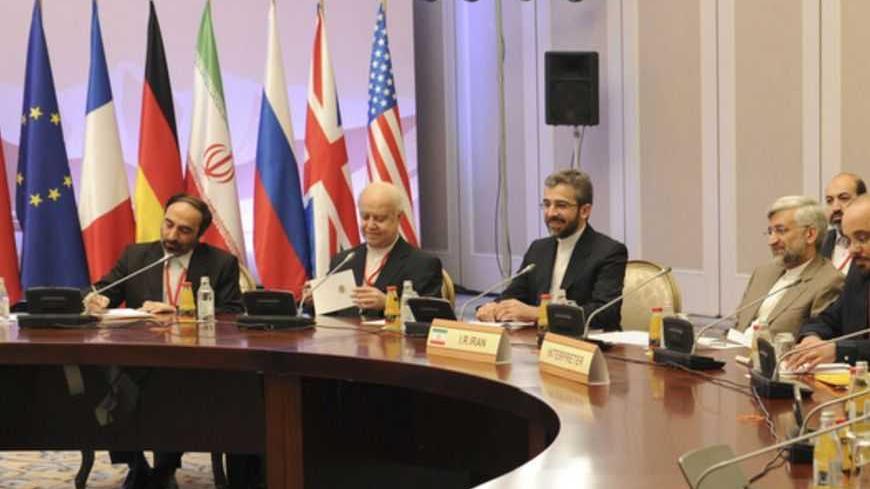
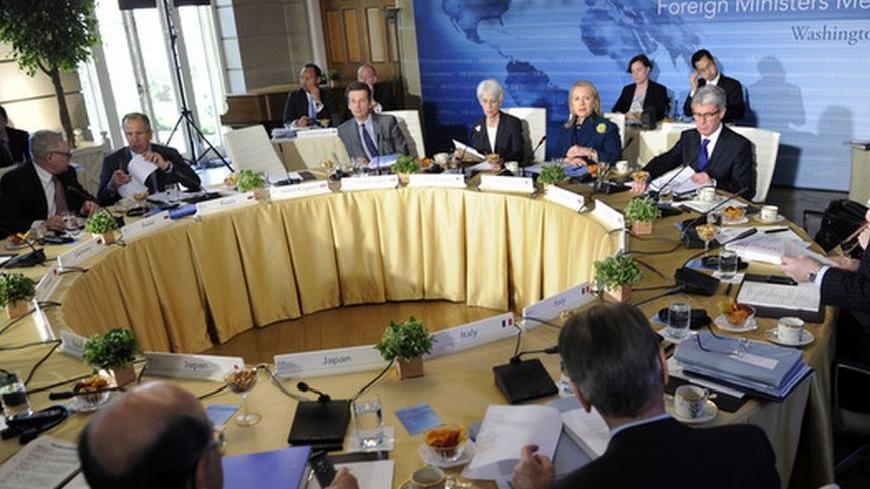
The countries that make up the P5+1 (United States, Russia, France, Britain, China and Germany) consider Iran a major threat to non-proliferation and international peace and security. At the same time, these countries, which collectively possess more than 98% of the world’s nuclear weapons, admit that Iran neither possesses a single nuclear bomb nor has made the decision to make one.
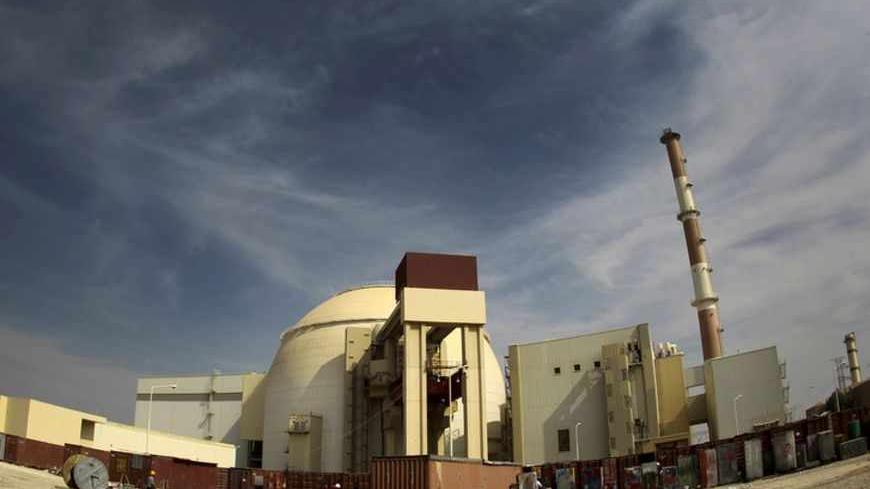
Iran’s nuclear capability has remained the number one political dilemma of the US and Western powers for the past decade. The P5+Germany and Iran have failed to reach consensus about Iran’s nuclear program, and will continue to do so as long as the West continues to try to solve the Iranian nuclear dossier by going beyond the framework of the NPT.
While the situation seemed to be improving after the April 14 meeting in Istanbul, things fell apart in the follow up May 23-24 meeting in Baghdad when major differences arose from the content and application of the step-by-step plan initially agreed to in Istanbul. While each side presented a proposal to resolve its concerns, the meeting in Baghdad concluded without any concrete agreement, other than agreeing to continue negotiations in Moscow June 18-19.
The Moscow talks will also fail unless the following issues are resolved:
AL-MONITOR All-Access gives you unlimited access to all our journalism, the full Daily Briefing, exclusive interviews, premium newsletters, and live events — for less than $2/week.