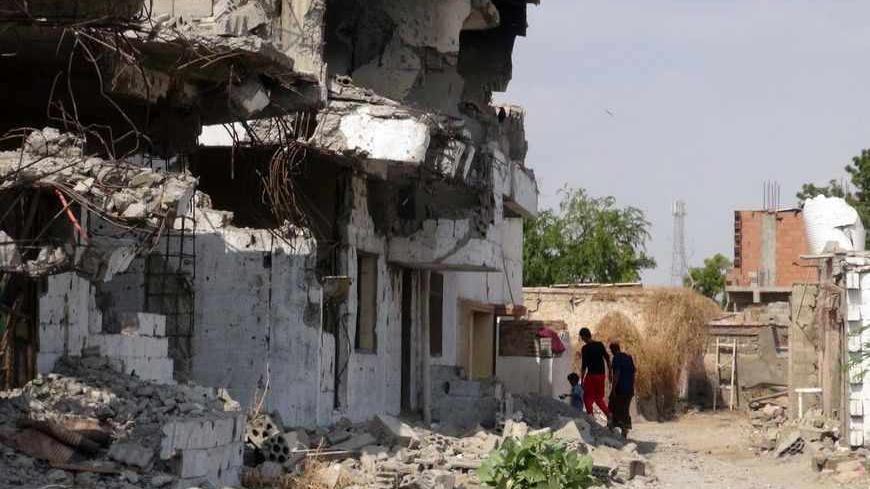
As I talked with a group of 30 Yemeni youth leaders recently, the message came across loud and clear: US drone attacks against al-Qaeda in the Arabian Peninsula (AQAP) are short-sighted, ill-fated and create more enemies than they destroy.
While there was broad ideological and political diversity among the group, the youths universally agreed on the ineffectiveness of US counterterrorism policy. They recognize that AQAP is a real and growing threat — in fact, more so to Yemen than to the United States — but contend that more harm than good is being done by the unmanned drone strikes that often hit civilians by mistake.
I met the group through a workshop convened by Chatham House and Resonate! Yemen near the desert town of Madaba, Jordan two weeks ago as part of an effort to empower youth leaders and connect them to international policy makers.
A prominent political activist, a dynamic young woman from Taiz, explained that the tribes in the targeted areas tend to be pragmatic, building alliances opportunistically on the basis of shared interest. When a tribe member is killed by an errant drone strike, this generates enormous hostility toward the United States and sympathy for AQAP and its anti-American agenda, she said.
AL-MONITOR All-Access gives you unlimited access to all our journalism, the full Daily Briefing, exclusive interviews, premium newsletters, and live events — for less than $2/week.