When King Abdullah of Saudi Arabia issued a royal decree earlier this month naming 30 women to the consultative Shura Council, his decision was widely welcomed inside and outside the country. Local columnist Mshari al-Zaydi described it as “an exceptional royal decree,” adding that “Saudi Arabia is entering a new era in terms of its political and social culture.” The European Union welcomed the announcement, saying it represents “a major development in the direction of women empowerment,” according to a statement by European Commission spokesperson Nabila Massrali.
This was a big step for Saudi Arabia, an absolute monarchy that practices a strict interpretation of Islam, even as the Shura Council remains an unelected advisory body with limited powers.
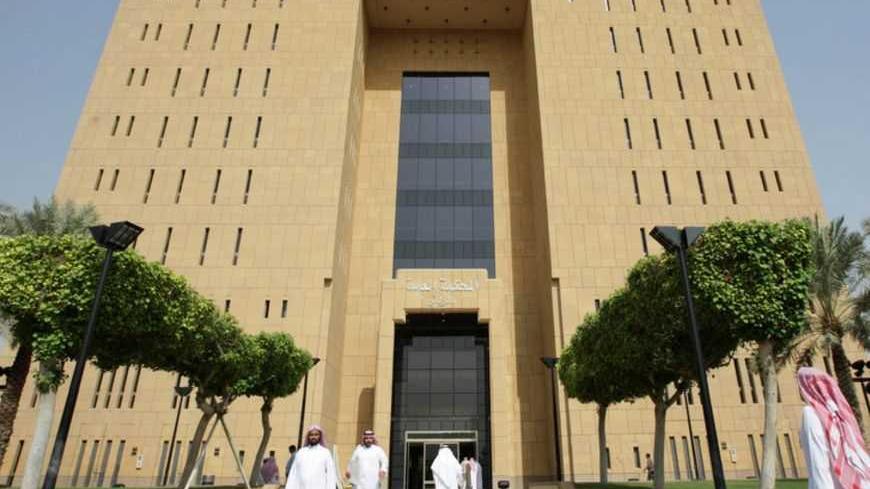
While the Saudi official religious establishment has chosen to resort to silence over the appointments, as they usually do when they find themselves in disagreement with the royal family, some conservatives have decided to show their objection in a rather unusual, public manner. Dozens of clerics staged a protest outside the Royal Court in Riyadh last week, breaking with the Wahabbi tradition that does not allow street protests and instructs that advice to rulers can only be offered gently and in private.
It is important, however, to note that not all conservatives are against the king’s decision. A special group worth highlighting here are conservative female academics and writers. These women reject the label “feminists,” and they see their role as defenders of Islam against what they consider the Western-inspired notion of women empowerment promoted by many activists in this field.
AL-MONITOR All-Access gives you unlimited access to all our journalism, the full Daily Briefing, exclusive interviews, premium newsletters, and live events — for less than $2/week.