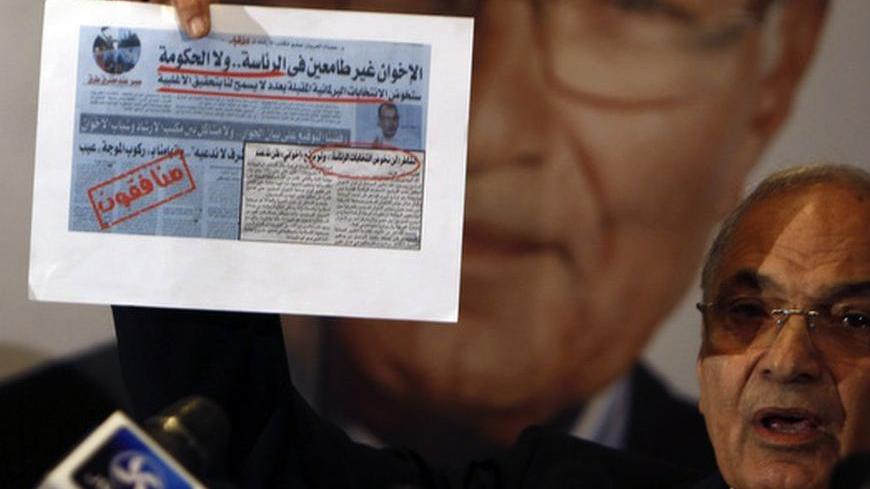
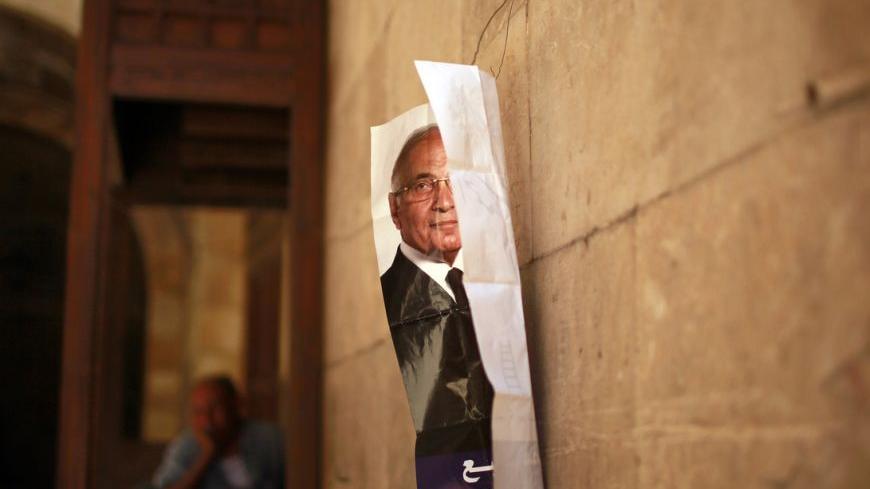
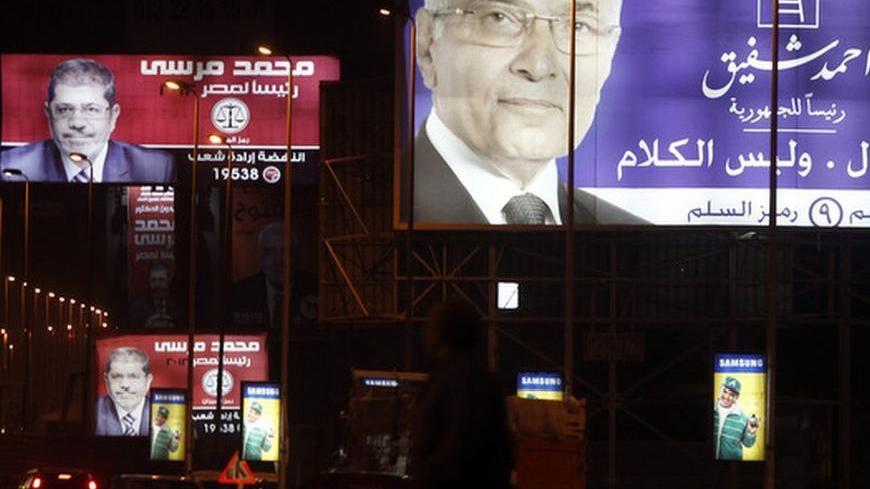
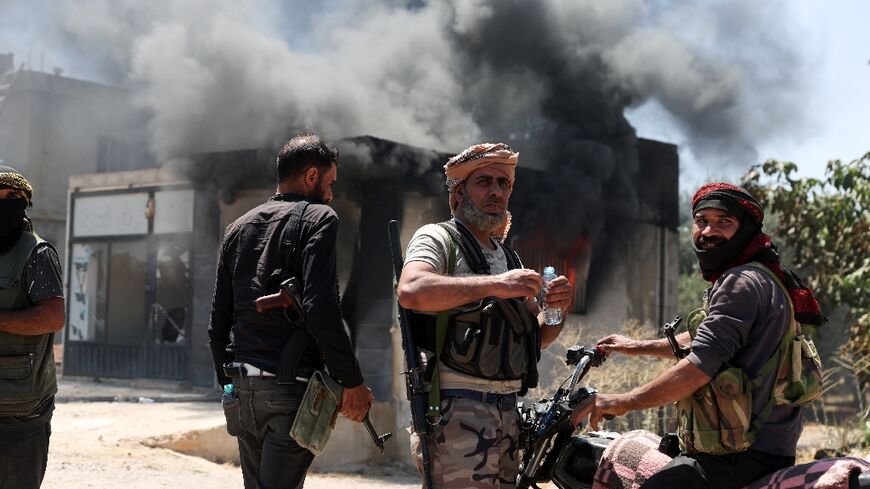
“The street wars will continue to extreme levels. … We will force this regime to renounce power and succumb to the will of the Egyptian people,” said the man who was voted out by a majority of Egyptians, and earlier removed by popular revolutionary forces. Mubarak’s prime minister and chief henchman Ahmad Shafiq made these statements last December from Abu Dhabi. The statement proved to be true. Politically motivated violence on the streets of Cairo continued, including attacks on city councils, police stations, prisons, headquarters of political parties, and multiple attempts to shut down Egypt’s largest governmental complex in Tahrir Square. This is in addition to almost weekly attacks and arson attempts on the Presidential Palace, where Shafiq’s main rival, President Mohammed Morsi, resides.
The scene in Egypt is quite intricate. There are definitely more than two parties in the power struggle. In a July 2011 BBC article, I expected a usual post-revolution power struggle between Islamist and non-Islamist forces to unfold, with the losing side reneging on democratization process and attempting to spoil it. I showed that the exclusionary behavior among Egypt’s political elite has been a historic trend since Nasser’s coup of 1952, and even before it. What I underestimated is the level of violence associated with the reneging process.
The political scene is not fully captured by the simple “Islamist versus secular” explanation. After all, not only the ultraconservative Salafi Nour Party supported the demands of the “secular” National Salvation Front, but also it altered an earlier fatwa (religious edict) forbidding alliances with non-Islamist parties. In political contexts, opportunism checks belief; and political Salafis are not always an exception.
Three factors may help explain major parts of the complex Egyptian political scene. High expectations of the Egyptian people in the aftermath of the popular revolution is one of those factors. With a shaky economy, limited security, conflicting interests, scarce resources, and chaos on the streets, the current conditions hardly meet any of the revolution’s slogans: “bread, freedom, social justice, and human dignity.”
AL-MONITOR All-Access gives you unlimited access to all our journalism, the full Daily Briefing, exclusive interviews, premium newsletters, and live events — for less than $2/week.