Israel Should Recognize Rights Of Palestinian Journalists
Daoud Kuttab writes on the need for Israel to grant Palestinian journalists greater access and freedom of movement.
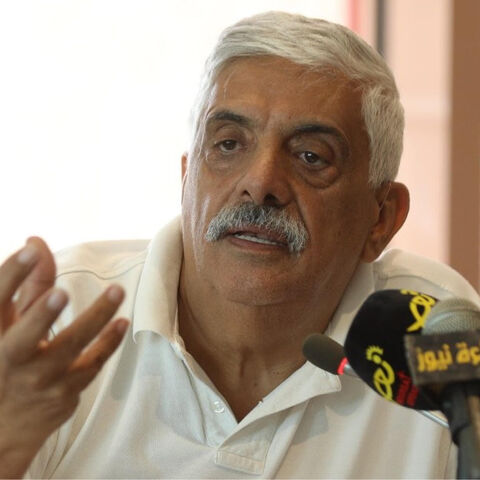

One of the most basic principles of journalism is the need for members of the press to have an opportunity to witness a particular event or have a chance to talk to their subjects. This principle applies to both Palestinian and Israeli journalists alike. But the reality in occupied Palestine is that this principle is far from being granted to members of the press, especially when it comes to those of the "other" side.
To begin with, it is important to state a fact that few people, including journalists, know. The state of Israel doesn’t recognize the existence of Palestinian media, and therefore the issue of granting Palestinian journalists any rights is not even an issue open for discussion.
Israel does recognize some Palestinian journalists, but the condition for this recognition is that they must work for a known Arab or international media outlet. So if you work for Al-Jazeera or the BBC and happen to be in Israel, there is a chance — and it is not automatic — that Israel would recognize you.
However, if you work for the Ramallah based Al-Ayyam newspaper, which began publishing after the Oslo Accords, or with Palestine TV, which was granted a license by Israel under the same accords, you simply don’t exist. This isn't some radical statement made by a Palestinian militant; this is the official Israeli policy as declared by the Israeli government press office.


