Qatar Offers 'GCC+1' to Include Iran
At a recent forum in Kuwait, high-ranking Qatari officials proposed the formation of a new organization comprising the GCC and Iran, writes Nassif Hitti.
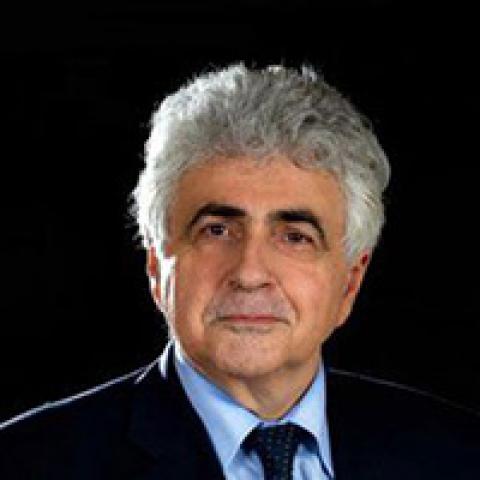

On Feb. 11, Qatari Prime Minister Hamad bin Jassim bin Jaber al-Thani — who is also the Minister of Foreign Affairs — surprised a Kuwaiti academic forum by proposing to launch an organization comprising the Gulf Cooperation Council (GCC) and Iran. Although it was a way of testing the waters and measuring the different reactions in an unofficial event — just a thought-provoking exercise — the timing, in the current regional context, was unexpected for several reasons.
First, the sole aim of the forum, which included current and former officials from the Arab world, was to introduce an institutional framework involving both the GCC countries and Iran, a sort of "GCC6+1," and thus create an official platform for dialogue, consultation and possible negotiations.
Second, it was launched at a time when the initiator of the proposal and its key target country are diametrically opposed and involved in an intense confrontation over Syria. It was also, however, a subtle message indicating that Qatar was open to Iran, at the height of tensions between the two countries.
Third, it also came at a time when relations between the GCC — to varying degrees among its members — and Iran were witnessing an escalation in diplomatic confrontation and an exchange of accusations over many issues, starting with Bahrain, Yemen, Syria, Iraq and reaching regional issues.


