John Kerry's Syria File
Secretary of State John Kerry, a veteran and critic of the Vietnam war, is now himself a decision maker regarding U.S. policy toward the civil war in Syria, writes Geoffrey Aronson.
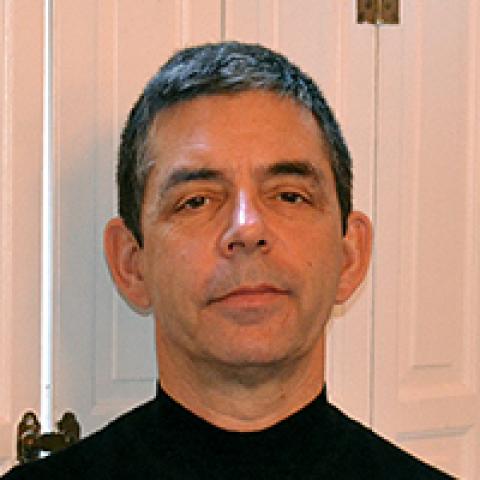

The Obama administration's newly minted secretary of state was a young man of 28 when, as leader of the Vietnam Veterans Against the War, he famously challenged the nation to face the demons it had created in pursuit of an unattainable victory in Vietnam.
“We are asking Americans to think about that because how do you ask a man to be the last man to die in Vietnam?” he told the tired old men of the Senate in 1971 in remarks he had prepared only the night before. "How do you ask a man to be the last man to die for a mistake?“
As a nation watched in fascination, Kerry spoke truth to power. Today, the 69-year-old is sitting on the opposite side of the table as the diplomatic architect of what former secretary of state Madeleine Albright called the world's “indispensable power.” From his new perch, the options are more ambiguous and that the truth is only one element in policy colored in shades of gray rather than black and white. And he is discovering that it is not so easy to be to be indispensable and to lead from behind at the same time.
President Barack Obama's decision in November to keep aloof from the Syrian “quagmire” was brave, but it has proved unpopular everywhere but Moscow, Teheran and Baghdad and, yes, throughout the width and breadth of the United States, where the warnings of a young Vietnam veteran still resonate. The president himself is responsible for the disappointment of those in the press, Congress and policy community who understandably thought that when Obama declared that Assad had to go, he meant it … really, and that he would commit the US to do whatever necessary to achieve this objective, including arming Syria's growing military opposition.


