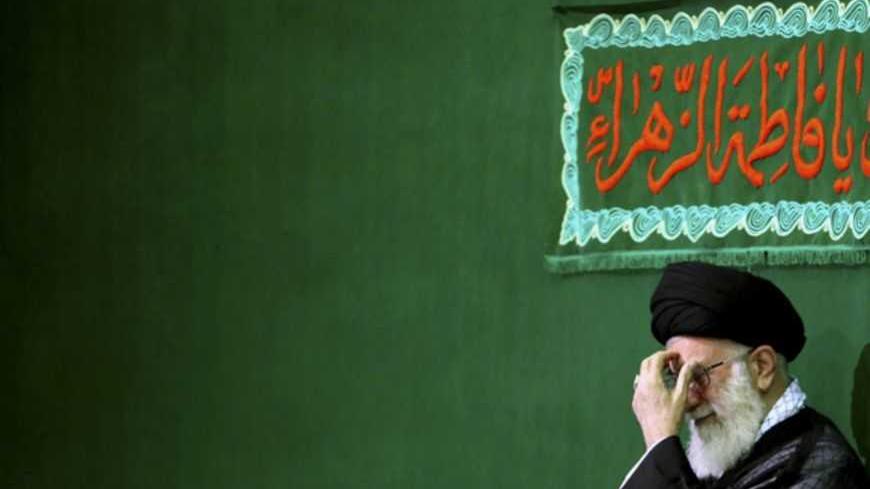
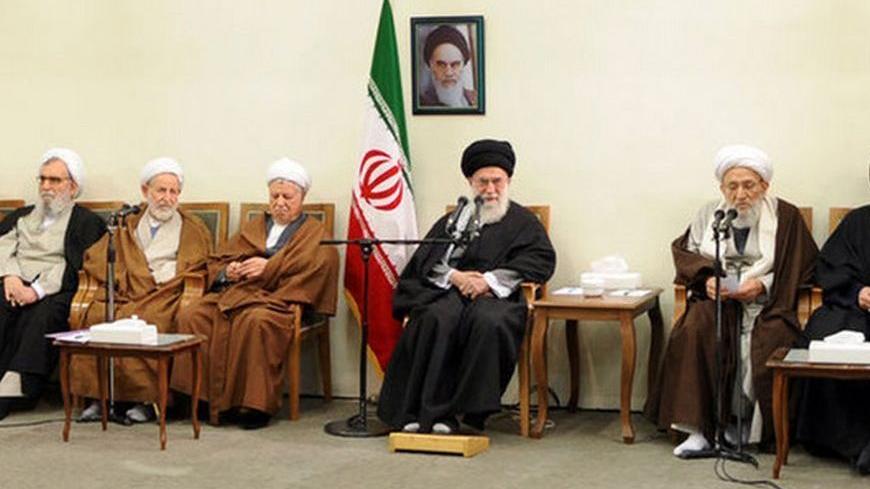
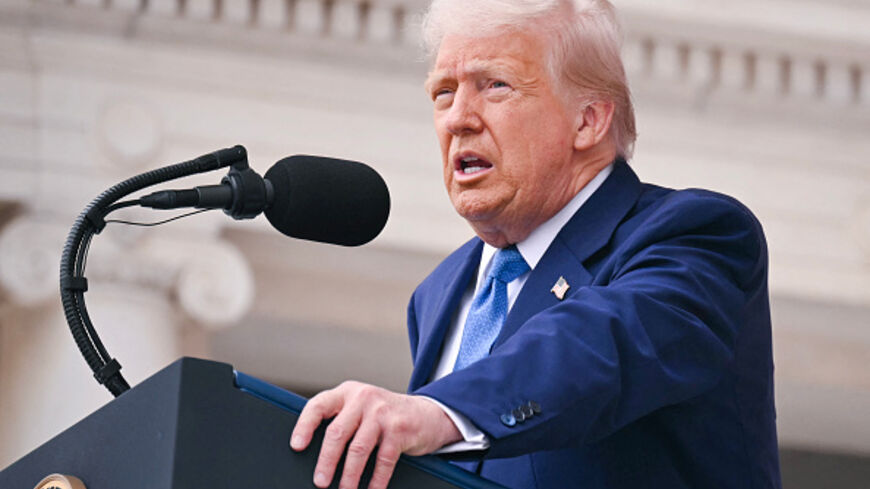
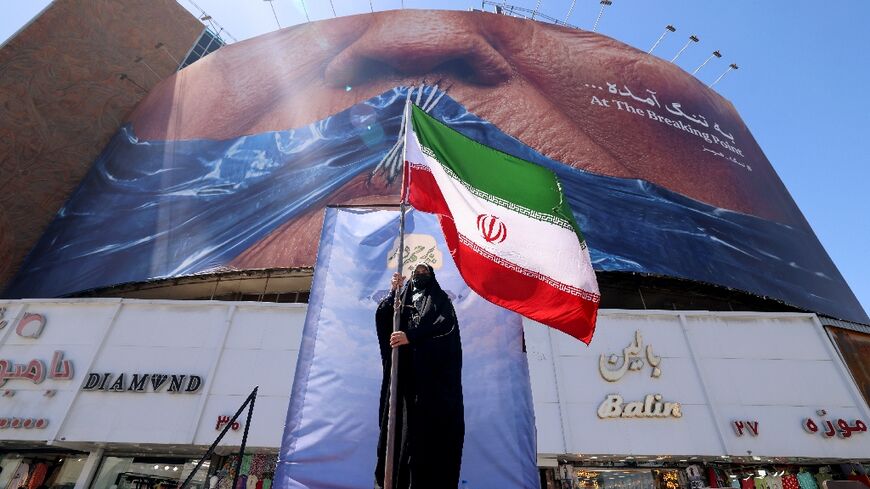
In two speeches, on Feb. 7 and 16, Iranian supreme leader Ayatollah Ali Khamenei explained that he neither opposes nor sees utility in negotiations with the United States because he does not perceive Washington as honest or trustworthy in its intentions. Although he has allowed negotiations to proceed, he expects nothing.
Khamenei buttressed his statements of wariness with three historical examples: the 1953 US-backed coup against Prime Minister Mohammad Mossadegh; US support for Saddam Hussein in the Iran-Iraq War from 1980 to 1988; and President George W. Bush including Iran in the so-called axis of evil after cooperation between Washington and Tehran on Afghanistan.
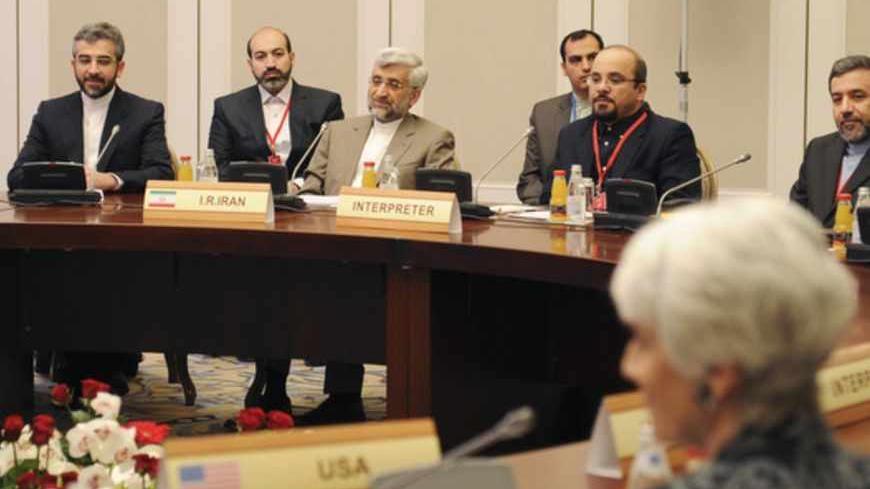
Khamenei’s recent speeches warning about the perils of engagement may have seemed like more of the same, and to some extent they were, but then he did something unusual. On his official website, he published reports and interviews with three members of the Iranian delegation who had been involved in direct talks with the United States on the issue of Iraqi security in 2007. The three made similar pronouncements about the discussions.
“Americans went deep into a swamp and had no choice but to negotiate with Iran to get out,” offered one member. Regardless, “They weren't sincere and honest in their words and acts.” According to one man, "They [the Americans] said come to talks to solve our problems, not yours.” One observed, “The US is arrogant — thinks it has ultimate power and can do anything it wants.”
AL-MONITOR All-Access gives you unlimited access to all our journalism, the full Daily Briefing, exclusive interviews, premium newsletters, and live events — for less than $2/week.