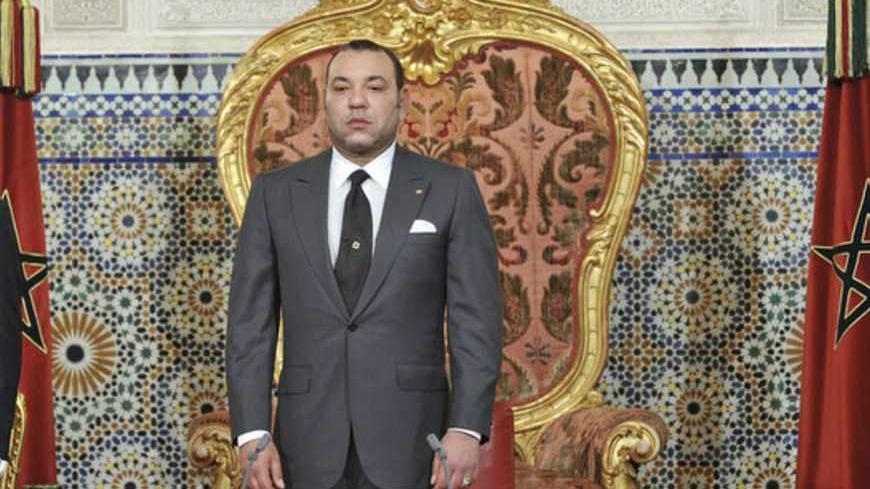
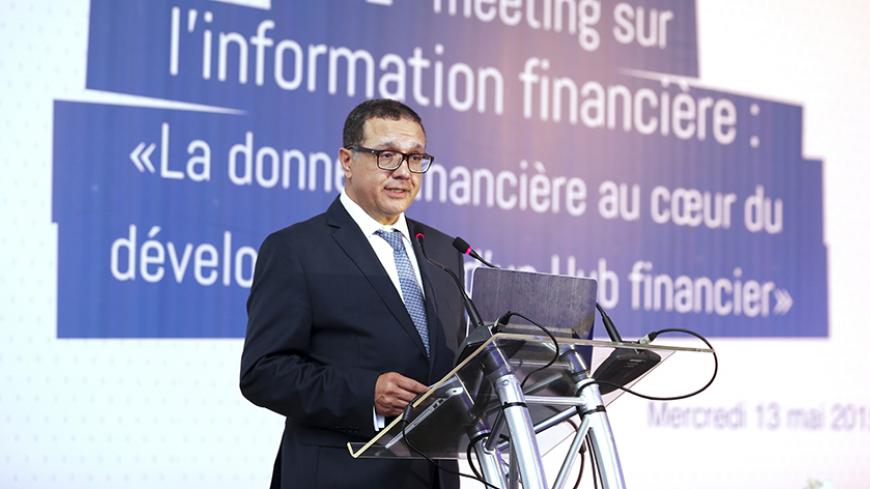
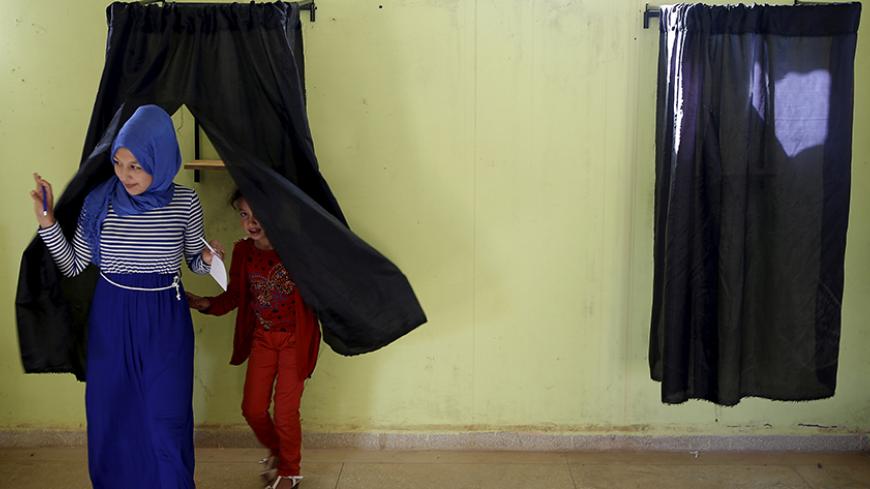
Morocco is the one country where mass protests during the initial Arab Spring of early 2011 produced fundamental yet peaceful reform, but without regime change. In June of that year, a popular referendum approved a new constitution in which the king is no longer called “sacred” and must appoint his prime minister from the party with the most parliamentary seats. In November, a competitive election brought an opposition, avowedly Islamist political party to lead the government for the first time: the Party of Justice and Development (PJD) and its current prime minister, Abdelilah Benkirane.
Since then, the country has been largely calm. Occasional small-scale protests persist in various cities and provincial towns. Yet a few weeks ago, on the second anniversary of the “Feb. 20 Movement” that brought hundreds of thousands of demonstrators out into the streets of Morocco’s major cities in 2011, barely a thousand turned out for protests in the capital of Rabat.
This unusual combination of apparent change and stability has inspired loose talk by some Moroccan officials and prominent American pundits about a supposed Moroccan “third way” of incremental Islamic democratization. Maybe, they say, Morocco could be a model for other Arab monarchies, or even beyond. In sharp contrast, however, other knowledgeable Moroccans I met on a recent research visit maintain that the reforms are largely a charade — and that the country remains ripe for revolution, Islamic or otherwise, as soon as its people wake up to this reality.
Neither of these two polar-opposite views does justice to Morocco’s uniquely mixed picture and prospects. The reforms are real, though quite modest so far. The main Islamist opposition movement is actually not in power, but simmering underground. Nevertheless, the country shows no sign of boiling over again anytime soon. In short, Morocco is less a “model” than a special case. Understanding it requires a closer look: first, at how limited the reforms are; second, at how much the main Islamist opposition remains unreconciled to them and third, at how patient the population as a whole is likely to remain in the face of these contradictions.
AL-MONITOR All-Access gives you unlimited access to all our journalism, the full Daily Briefing, exclusive interviews, premium newsletters, and live events — for less than $2/week.