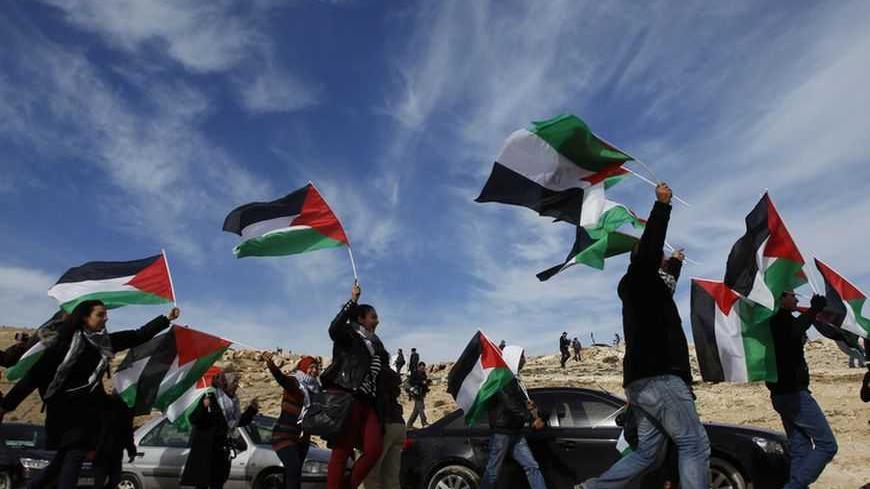
The image will remain engraved in many people’s memory about the first intifada. A Palestinian woman dressed in a skirt and blouse holds here high heel shoes in one hand and throws a stone on members of the occupying Israeli forces with the other. Clearly the image is not so much about violence as it is about defiance and the integral role of women in the Palestinian uprising.
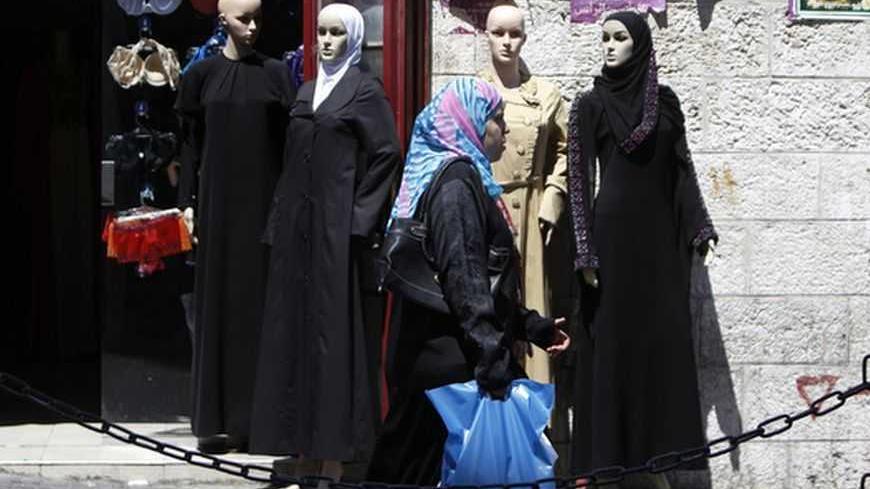
Match that image with this week’s decision by the Islamic-led powers in Gaza to ban a marathon in the Strip because women had decided to participate in it or the decision last month to apply strict Islamic dress code on female university students. This comparison, while focusing on external descriptions, is perhaps the most telling image of the retraction, rather than the progression, of Palestinian women in the last four decades.
Other more substantive comparisons of laws, regulations and social attitudes tend to confirm this trend, although there are exceptions.
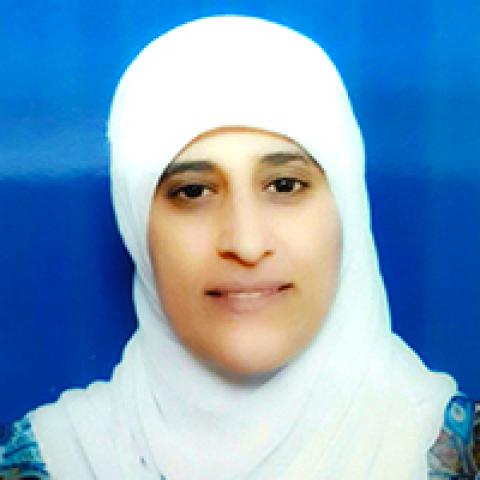
Under a foreign and brutal military occupation, Palestinian women joined their brethren in all acts of resistance. The absence of a national government gave women a rare opportunity to excel in all levels of Palestinian political and social life. We saw Palestinian academic Hanan Ashrawi rise to a senior position of spokeswoman of the Palestinian delegation to the peace talks in Madrid and we saw women and men create the infrastructure of a state through civil society organizations, educational institutions, unions and other community-based organizations.
AL-MONITOR All-Access gives you unlimited access to all our journalism, the full Daily Briefing, exclusive interviews, premium newsletters, and live events — for less than $2/week.