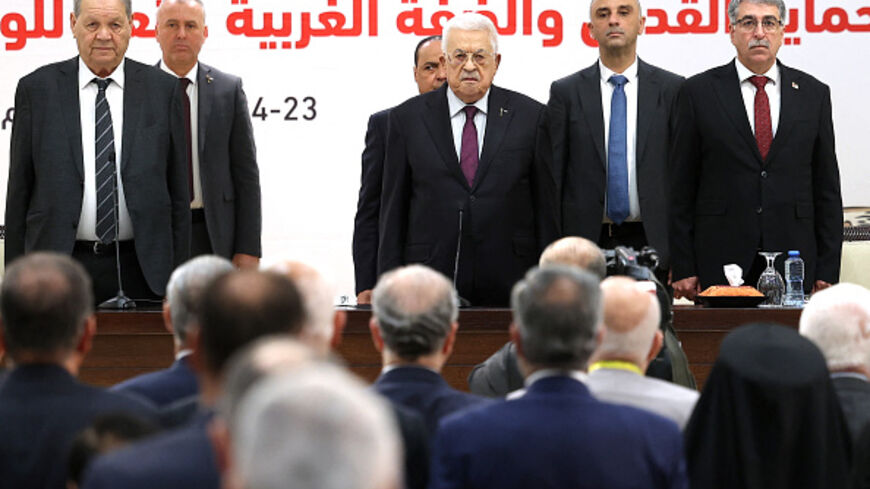
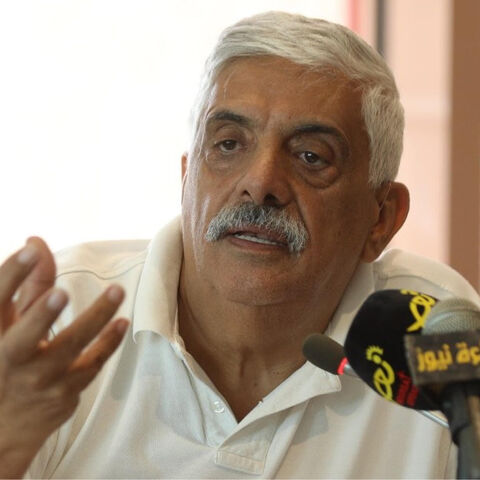
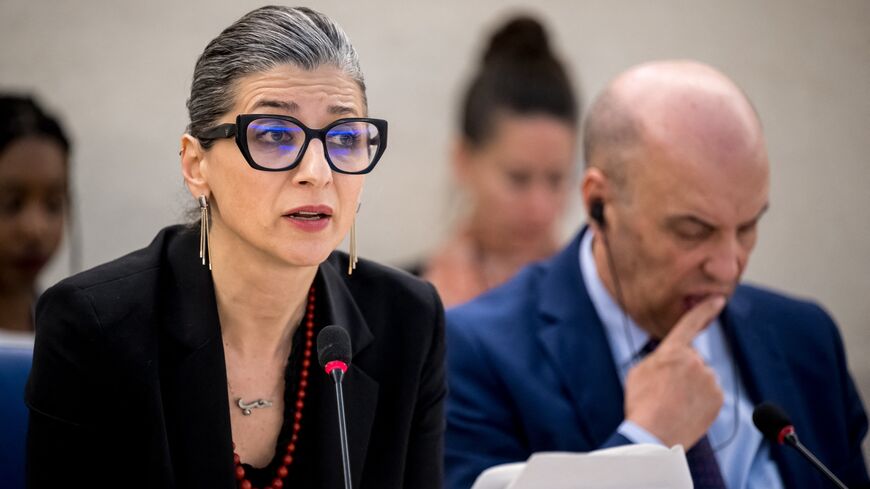
Ghassan Hitto, a naturalized US citizen from Damascus, was selected on Monday, March 18, by members of the opposition Syrian National Coalition to become the interim prime minister. Little known among Syrians, his appointment is by far the clearest indication of the Muslim Brotherhood’s monopoly over the opposition’s political and military bodies. At least nine figures suspended their membership in the National Coalition in protest, including the coalition’s spokesman, Walid Buni, and Vice President Suhair Attasi, who then retracted her suspension a day later.
Hitto is not known to be a member of the Muslim Brotherhood, but he is ideologically close to it. A Syrian close to Hitto told me that he is “100% supported and trusted by the Brotherhood.” His brother is a member who was jailed for many years, his acquaintance said, which is why Hitto fled Syria. The source located Hitto in terms of independence somewhere between Moaz al-Khatib, the coalition’s president who proved to be independent, and the Brotherhood. Hitto is one of very few opposition figures who were involved in groundwork inside Syria after the uprising, distributing aid to people in various areas. He is also well-spoken in both Arabic and English. But his appointment appears to be based on a key credential: his consistent rejection of dialogue with the regime, a policy advocated by the Muslim Brotherhood and its allies Qatar and Turkey.
There had been deep disagreements among the opposition about the formation of an interim government. Khatib had opposed it, saying the government would deepen divisions among forces on the ground. In a letter he sent to the coalition members, he wrote: “If members of the coalition cannot agree on one person to represent them, how can they expect that person to represent all Syrians?” Instead, Khatib said that an executive authority would be a better option for the time being, as countries can grant that authority access to resources and even embassies. The Arab League, in its latest meeting on March 7, asked the coalition to form an executive authority to allow it legally to take Syria’s seat.
Disagreements involving the interim government are particularly worrying because an interim government, unlike previous entities that are supposed to represent the opposition outside the country, has to represent and organize the forces on the ground. Its ability to work with the various forces will hinge on its representativeness and legitimacy. It remains to be seen whether this is possible, and whether its cabinet will be inclusive.
AL-MONITOR All-Access gives you unlimited access to all our journalism, the full Daily Briefing, exclusive interviews, premium newsletters, and live events — for less than $2/week.