Erbil-Baghdad Relations Still Lack Substance
Despite ongoing negotiations and talks between Iraq’s central government in Baghdad and the country’s Kurdistan region, reconciliation efforts still lack the substance necessary to bring about effective solutions, writes Mustafa al-Kadhimi.
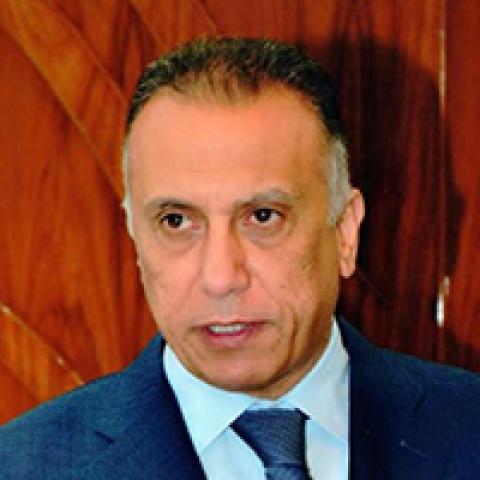

The visit of a delegation representing the Iraqi National Alliance to the Iraqi Kurdistan Region and its meeting with the region’s president, Massoud Barzani, was largely considered a step toward resolving Iraq's mounting crises, particularly the escalating conflict between the government in Baghdad and the Kurdistan Region.
Yet the mutual visits and the return to dialogue, in light of existing tensions, do not constitute a comprehensive solution. They are just one step on the path to a solution that, first and foremost, requires a common understanding of the mechanisms and courses of action that might break the ice between Iraqi parties.
What makes the observers pessimistic about the prospects of such visits is the fact that they have been ongoing for the past two years. Every time, the crisis goes back to square one, thus indicating a certain defect in the dialogue and its pillars.
Among the Shiites and Kurds of Iraq, there exists a long history of relations and mutual understandings that are expressed by both parties on a continual basis. The parties also reiterate their wishes to regain the Shiite-Kurdish alliance, which practically ruled the government from 2003 until the beginning of 2011.


