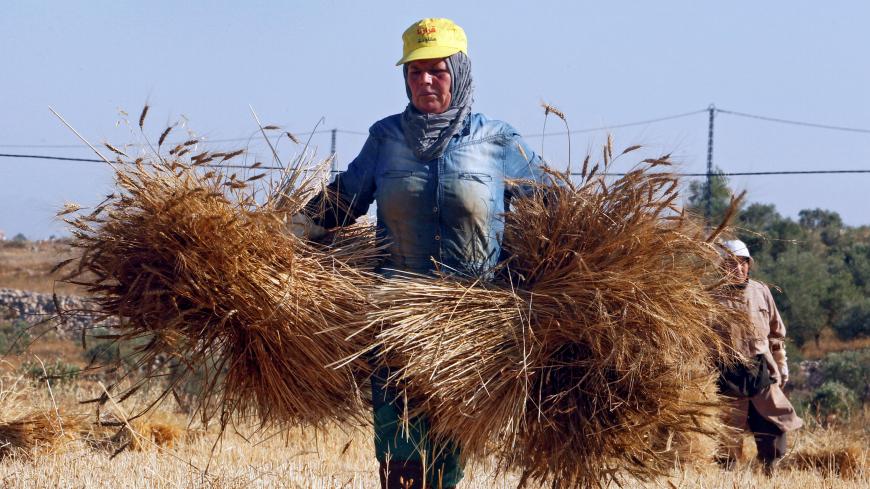
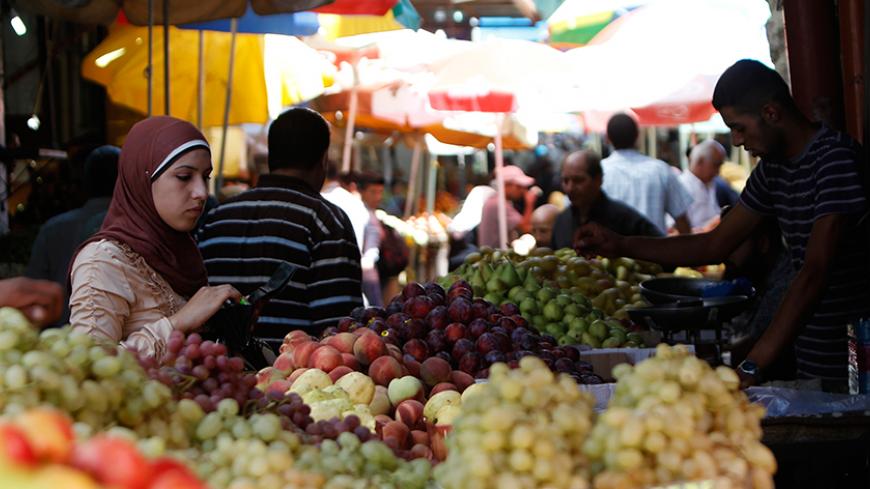
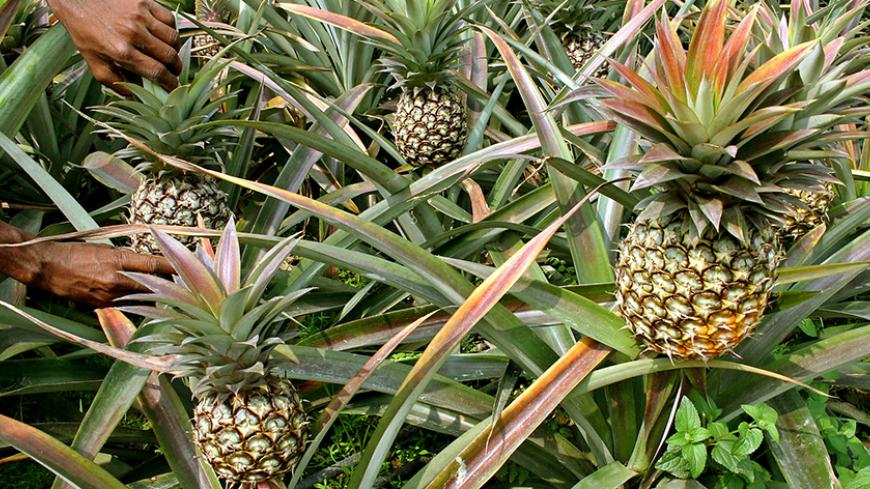
On Saturday, April 6, the monthly meeting for the burgeoning Slow Food Palestine group took place in the Palestinian Agricultural Relief Committees building in Ramallah. The meeting was attended by men and women, farmers by profession or by hobby, employees, and agricultural workers. For the next two hours, committees were designed and members assigned, short term goals were allotted, and a vigorous debate on what was meant by local organic seeds took place.
“Local seeds aren’t only Palestinian,” said one farmer from the village of Marda. “Local seeds can also mean seeds that are imported and can be replanted for the following years.”
“But the point of what we’re doing is to encourage people to grow the seeds that our grandparents and ancestors used to plant,” argued Dana Mas’ad from Tulkarem. “By planting imported seeds we risk losing our Palestinian farming culture.”
Slow Food Palestine is part of the worldwide nonprofit grassroots organization Slow Food, which was founded in 1989 to “counter the rise of fast food and fast life, the disappearance of local food traditions and people’s dwindling interest in the food they eat, … and how our food choices affect the rest of the world,” according to their website. The global organization boasts over 100,000 members in 150 countries.
AL-MONITOR All-Access gives you unlimited access to all our journalism, the full Daily Briefing, exclusive interviews, premium newsletters, and live events — for less than $2/week.