The proposed energy framework between Turkey and the Kurdistan Regional Government (KRG) has raised hopes for independent Kurdish oil exports and a viable way to pay international oil companies (IOCs) in the Kurdistan Region. Some think the framework could eventually give the Kurds an alternative revenue source that replaces Ankara for Baghdad as the region’s financier. Yet, while encouraging Kurdish energy development, Turkey still has made no clear commitment to an independent pipeline that would circumvent Iraqi state sovereignty. This is because Ankara’s endgame is not only securing Kurdish crude, but maximizing Turkish commercial interests in Iraq. Doing so will likely entail negotiations with Baghdad that include Erbil, but which prioritize Iraq’s territorial integrity, secure Ankara’s interests and seek concessions from the Kurds.
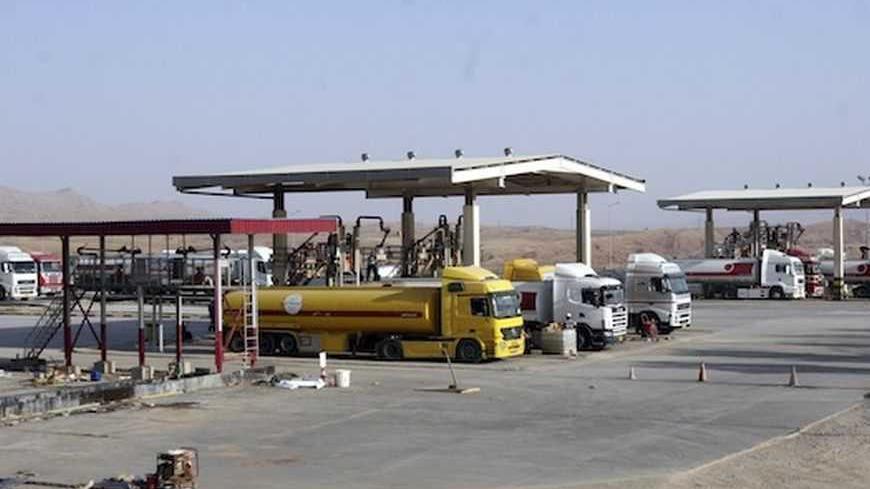
Turkey’s quest for Kurdish crude is not surprising, given its geographical proximity to the region, domestic energy needs and growing influence over the KRG. Ankara is not only well-positioned to continue "bartering" operations with Erbil — exchanging trucked, Kurdish hydrocarbons for diesel products — but to further entrench its energy interests by establishing a state-affiliated company that would invest in Kurdish oil fields. This tactical move would allow Ankara to circumvent Baghdad’s blacklist of companies without jeopardizing its state-led (TPAO) hydrocarbons investments in southern Iraq.
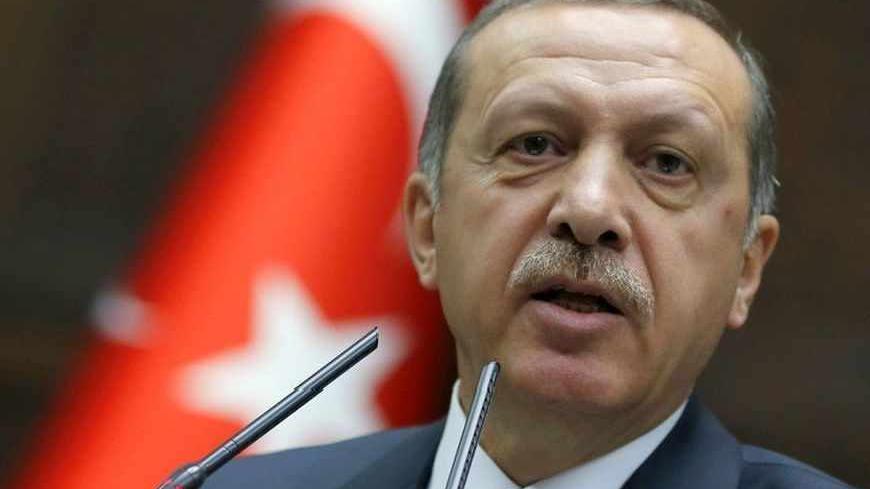
Still, beyond creative media reporting and sporadic, inflammatory remarks by Turkish Prime Minister Recep Tayyip Erdogan, Turkey has taken no real steps to promote viable, independent Kurdish exports that would jeopardize Turkish investments in the rest of Iraq. Erdogan may have stated the KRG’s rights to sign its own energy deals within the framework of the Iraqi constitution, but he has affirmed that Turkey’s interests were to increase volumes of the existing pipeline. To ease concerns by Iraqis and international partners, Turkish Minister of Energy Taner Yildiz further indicated that Turkey remains committed to southern Iraq. He also suggested ways that Turkey could develop a joint project with his “Iraqi brethren,” including a third pipeline that would export southern Iraqi crude to Turkey.
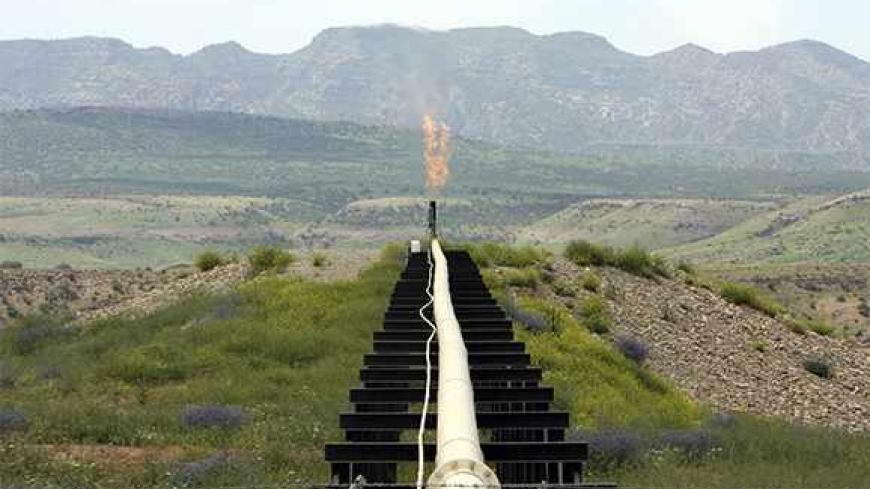
A deeper look at the proposed Turkey-KRG energy deal reveals that talk — or threats — of an independent pipeline has largely been a mantra of the KRG and vested business interests, but which has not materialized on the Turkish side of the border. Some IOCs are certainly building feeder pipelines inside the Kurdistan Region, but these internal pipelines represent cheaper and more efficient means to transport crude from remote fields to storage facilities and quasi-refineries, and not a Turkish-backed independent line. These internal pipelines will likely continue to help source the local market and border trucking exchanges. With negotiation, they could potentially be connected to the existing Turkish-Iraqi line.
AL-MONITOR All-Access gives you unlimited access to all our journalism, the full Daily Briefing, exclusive interviews, premium newsletters, and live events — for less than $2/week.