For the past few days, Hamdeen Sabahi, former presidential candidate and founder of the Egyptian Popular Current, has been the target of severe criticism — not for his politics, but for his daughter Salma's alleged misconduct.
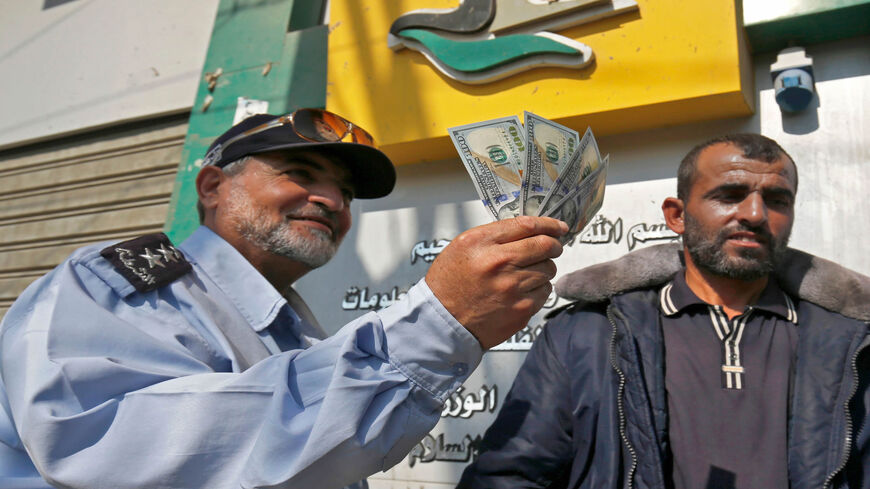
Salma Sabahi turned herself in to authorities on May 22, after a prosecutor charged her with fraud and issued a warrant for her arrest. More than 20 plaintiffs accused her of soliciting at least $23,000, promising them quick and easy profits through investment in an online company called Global Ad Mart, which supposedly pays hundreds of dollars to people who agree to watch five advertisement videos every week.
Salma's lawyer, Mohamed Moneib, described the charges as a "political game and revenge on Hamdeen Sabahi.” The Nasserist figure's supporters politicized the case, accusing the Muslim Brotherhood of attacking its most powerful opponent by framing his daughter, who they say is innocent or, at the least, naive. Mohamed Salmawy, president of the Writers' Union of Egypt, charged in an op-ed that Salma's arrest is "shifting the political dispute to an unprecedented level of inhumanity."
The claim that Egyptian authorities are legally harassing their foes is not implausible. The public prosecutor, Talaat Ibrahim, has a history of taking into activists and regime opponents into temporary custody on questionable charges. It is also plausible that the opposition's bias prompted them to see only the politically charged nature of the situation, ignoring its more relevant legal, ethical and economic aspects.
AL-MONITOR All-Access gives you unlimited access to all our journalism, the full Daily Briefing, exclusive interviews, premium newsletters, and live events — for less than $2/week.