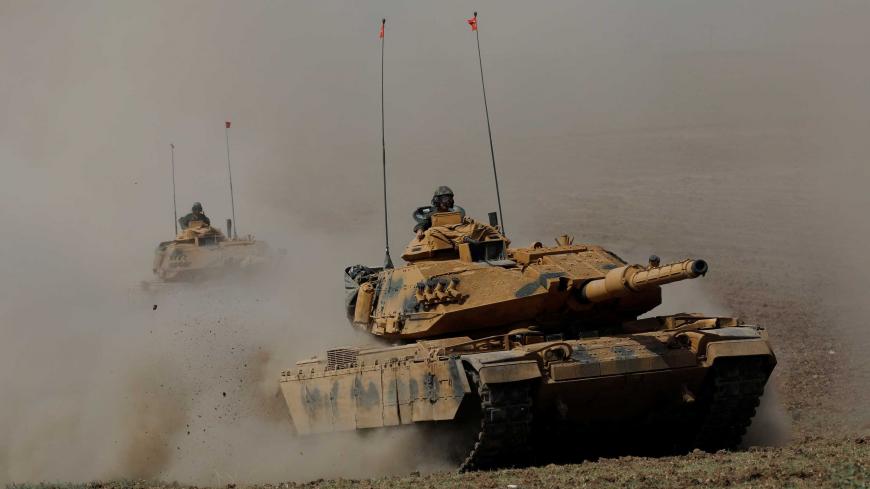
The Turkish government's threat perception has always reflected a military mindset because of weak and inefficient political actors resulting from the once-frequent military coups and memorandums issued against elected governments beginning with the 1960 coup. It was only a few years ago that the Justice and Development Party (AKP) government imposed its vision, to a certain extent, on the definition of external threats while limiting internal threats to extreme leftist, rightist and radical Islamic groups. In doing so, the AKP removed practicing Muslims from the military-drafted list of threats to the country’s still militant secular character.
Threat perceptions defined in the highly secret National Security Policy Papers (MGSB) are now believed to be influenced by the elected government. Regardless, Turkey continues to retain security-centric policies. In the future, however, they may come to be based on democratic principles if the Kurdish peace process initiated by the AKP government to end the three-decades-old terrorism problem is a success.
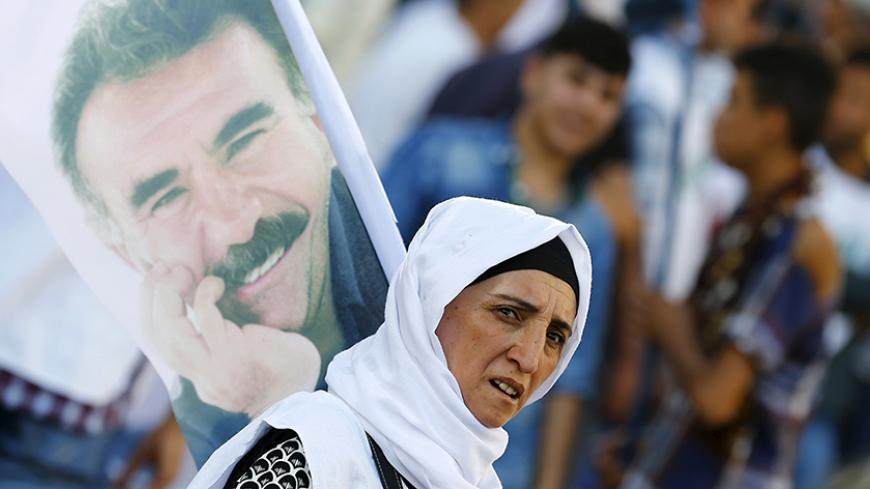
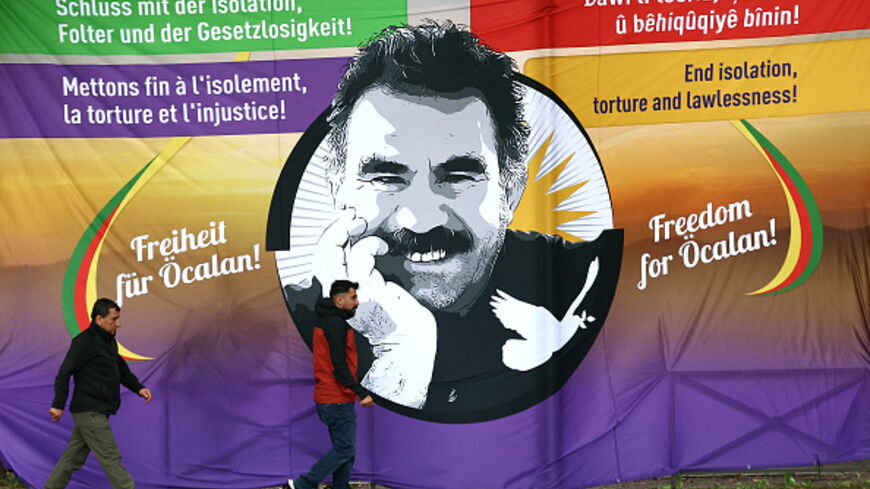
The Kurdistan Workers Party (PKK), outlawed by Turkey and on the terrorism lists of the European Union and the United States, has been waging an armed campaign for almost 29 years in support of Kurdish rights, such as recognition of Kurdish language education as well as equal citizenship status. Abandoning its initial goal of gaining independence from Turkey, the PKK is now seeking autonomy.
Although the PKK currently remains the number one internal threat to Turkish security according to the MGSB, this status may be about to change, should there be a successful outcome to peace talks. Only with that could Turkey’s controversial defense and security policies, as well as defense expenditures, become more accountable and transparent.
AL-MONITOR All-Access gives you unlimited access to all our journalism, the full Daily Briefing, exclusive interviews, premium newsletters, and live events — for less than $2/week.