Abbas Turns to Europe
The appointment of European-oriented Palestinian Prime Minister Rami Hamdallah could be aimed at getting Europe more involved in talks with Israel.
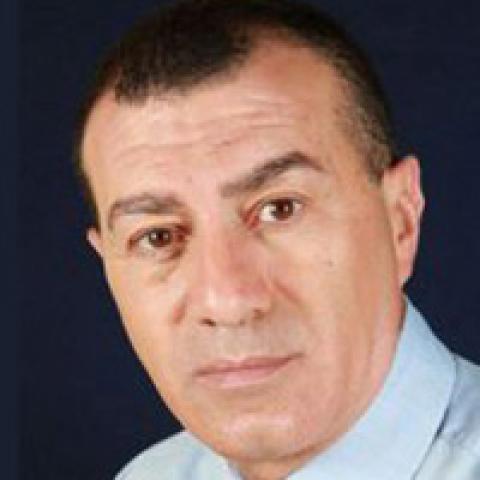

The longstanding question of whether Hamas and Fatah will finally reconcile received at least a partial answer this week. If it’s up to Mahmoud Abbas (Abu Mazen), chairman of the Palestine Liberation Organization and president of the Palestinian National Authority, the issue isn’t on the agenda right now.
Many have declared that the time has come and the conditions are right. Hamas wants change, it wants reconciliation and as proof: The “reconciliation camp” won a major victory in the elections for the Shura Council (highest governing body), and Hamas Political Bureau Chairman Khaled Meshaal, who is considered the leading advocate of this policy, was elected head of the movement.
But in the end, it was Abu Mazen who decided what will ultimately happen. He did this by appointing Rami Hamdallah, president of An-Najah University in Nablus, as the new prime minister. Observers claim that Hamdallah will put a hold on the discussions between Hamas and Fatah to form a reconciliation government.
It is only natural that Hamas was surprised by Abu Mazen’s move. Sami Abu Zuhri, the movement’s senior spokesman, was quick to condemn both the appointment and the person behind it: “The new government in Ramallah does not represent the Palestinian people, and the appointment is illegal.” It is also interesting to note the particular term that Abu Zuhri chose to describe Abu Mazen’s government. He called it the “government in Ramallah,” as if he were referring to the management of a City Hall.


