CAIRO — The year-and-a-half-long investigations, trial and sentencing of NGO workers in Egypt have been embroiled in politics, affecting both foreign relations and a draft law regulating civil society.
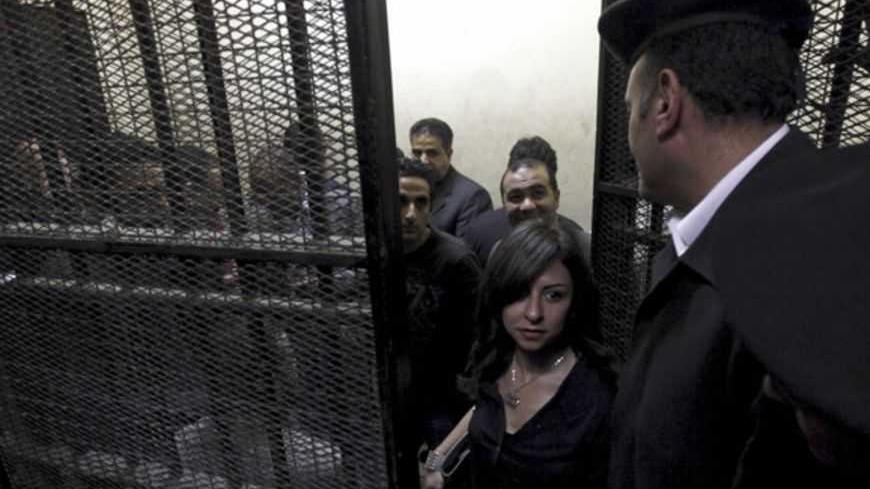
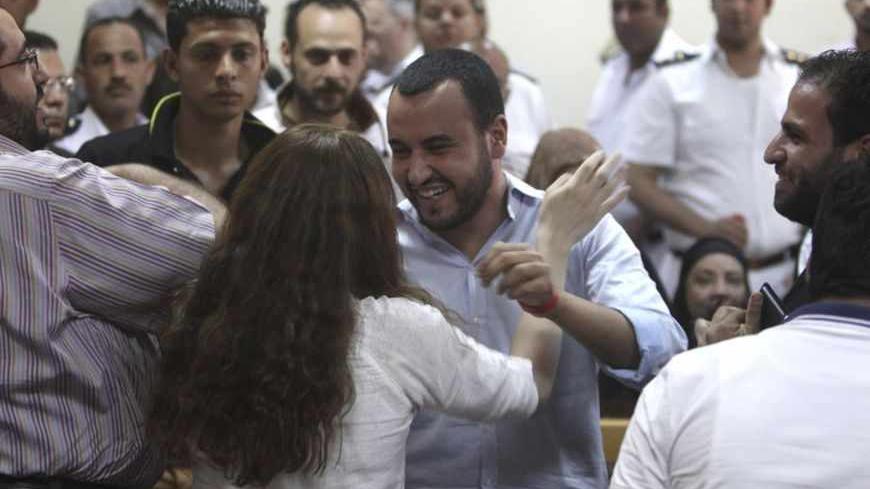
The June 4 sentencing of 43 Egyptian and foreign workers on charges of operating NGOs without licenses and receiving illegal foreign funding is the culmination of the xenophobic sentiments nurtured by different rulers during and after the Egyptian uprising. The case has been used to justify restrictions in a new draft NGO law, and the verdict could deter foreign organizations and donors that want to work in Egypt.
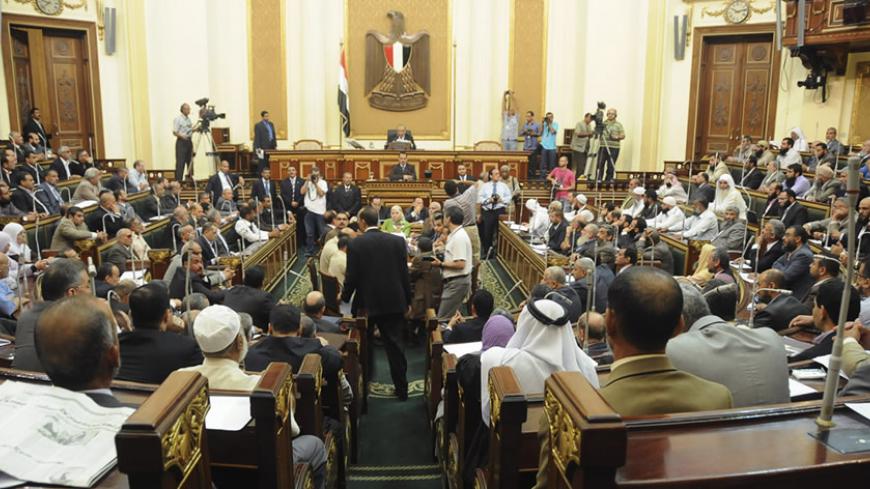
Yet, the resulting international backlash could steer the draft law toward more openness; many involved in the discussions believe that such pressure was the reason behind the partial elimination of the restrictive language decried in earlier drafts. Local lobbying has lacked the furor and the leverage to get the attention of the government, since the upper house of Parliament (the Shura Council) — given temporary legislative powers following the dissolution of the lower house — put it up for discussion in late February.
The governments and groups that condemned the verdict last week linked it to the legislation. While expressing concern about the verdict, the European Union, which last November pledged 5 billion Euros ($6.64 billion) in aid and loans to Egypt, said in a statement that it remains committed to adopting “an NGO law fully in line with international standards and Egypt's commitments under international human rights law.”
AL-MONITOR All-Access gives you unlimited access to all our journalism, the full Daily Briefing, exclusive interviews, premium newsletters, and live events — for less than $2/week.