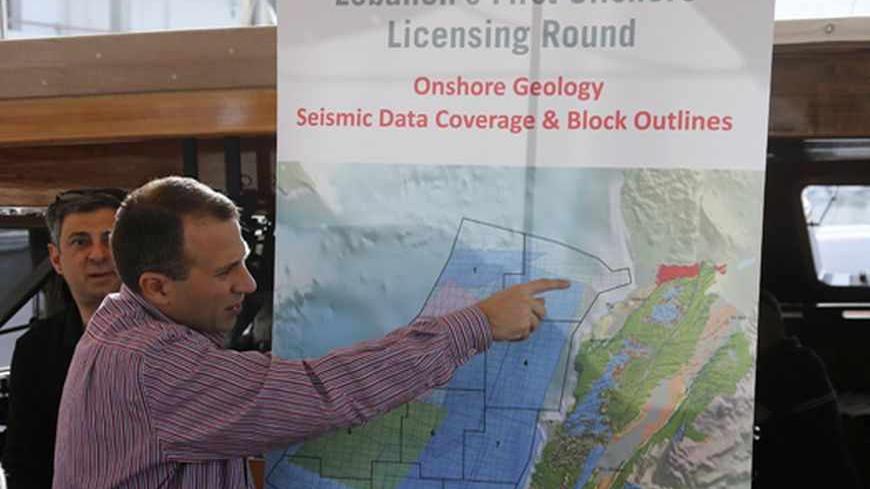
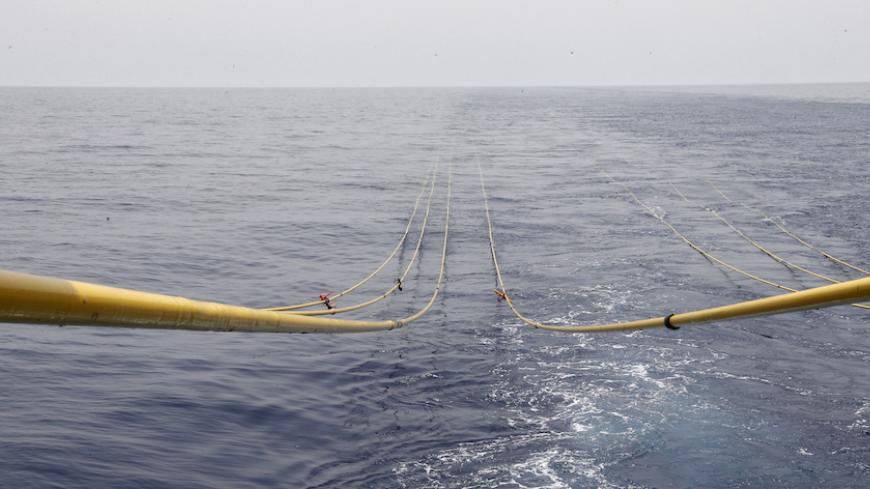
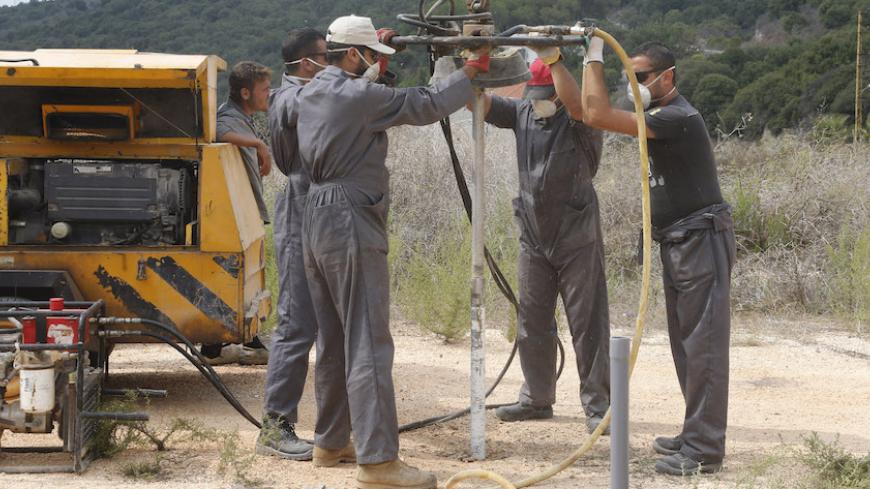
Oil and gas is a much contested topic in Lebanon. There is so much euphoria among the Lebanese, especially the politicians and oil experts, each with their own visions and plans, each with their own agendas and interests. Lebanon’s oil and gas has caught everyone’s imagination. The political factions, with their business oligarchy subdivisions and militias, managed to collude to kick-start Lebanon’s oil race and form the Petroleum Administration, the governing body for the oil and gas sector, during the tenure of the Mikati government. Fifty-two companies vied for Lebanon’s oil and gas during the first licensing round. But with international interest in Lebanon's hydrocarbon reserves dwindling, or at least temporarily stalled because of the crises in the region, many specialists are echoing Citibank’s research: Will it be Cinderella or Sleeping Beauty?
Oil or gas?
Oil or natural gas? In the early stages of exploration, this question remains a game of guessing. It is also far more loaded than its simplicity implies. Far from just being different products, they are two different markets, two different supply chains and infrastructure, two different policy strategies and two different income prospectuses. The data show accumulations of both oil and gas, technically lumped under one category: hydrocarbons.
Nevertheless, marketing interviews by the seismic acquisition companies PGS and Spectrum have focused more on natural gas, with government officials echoing this rhetoric. The public discourse emphasizes the word "petroleum" or "oil." The inability of the Lebanese to use the word "hydrocarbon" in Arabic, switching instead between "petroleum" and "natural gas," has not only swayed the public discourse on hydrocarbon development in Lebanon away from development reality, but has also shaped uninformed policy direction at the official level, creating a schizophrenic approach to oil and gas development in Lebanon.
Lebanon is still in the early stage of surveying. Exploration, the next step, is the process for looking for hydrocarbons. It does not matter whether it involves oil or gas at the beginning, the objective being the discovery of commercial accumulations that can be extracted. Lebanon stands, if one assumes a streamlined and transparent process, around two to three years away from concluding the initial exploration phase and starting the next one, reservoir development for the explored basin, assuming a successful exploration stage.
AL-MONITOR All-Access gives you unlimited access to all our journalism, the full Daily Briefing, exclusive interviews, premium newsletters, and live events — for less than $2/week.