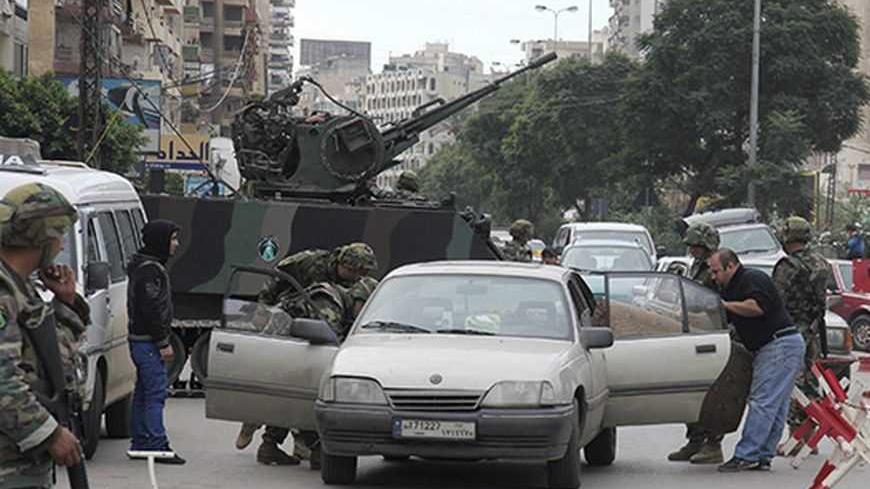
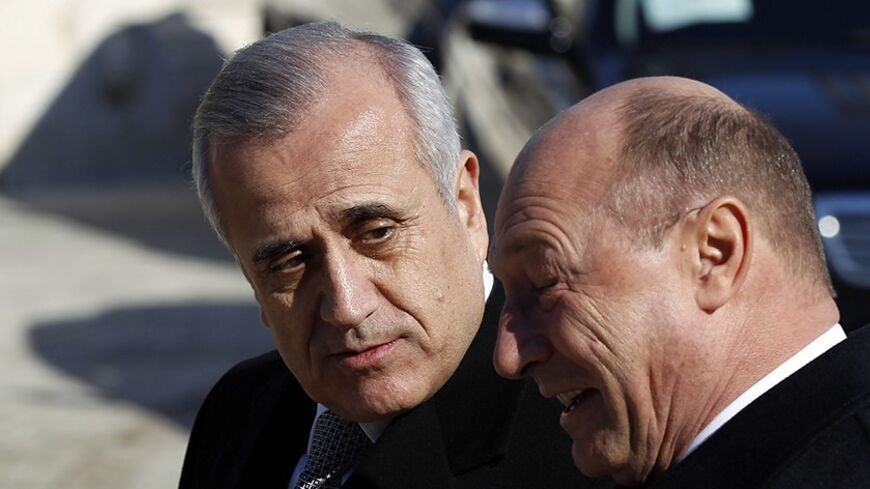
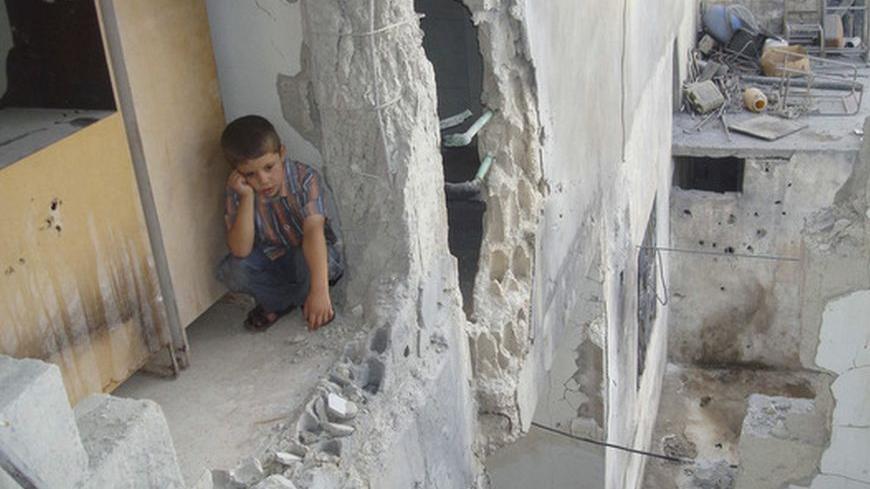
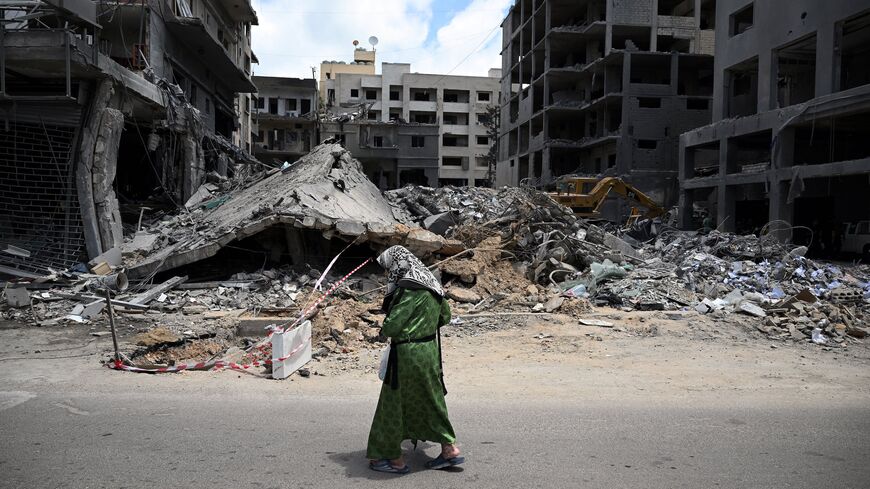
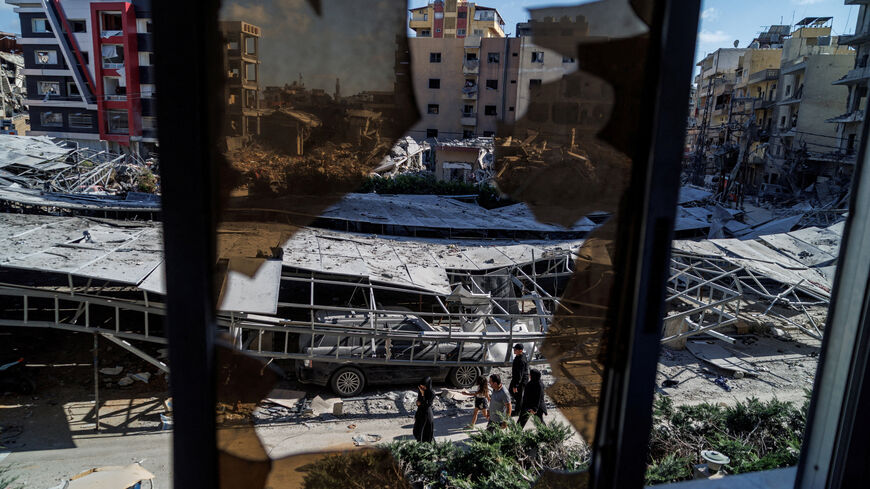
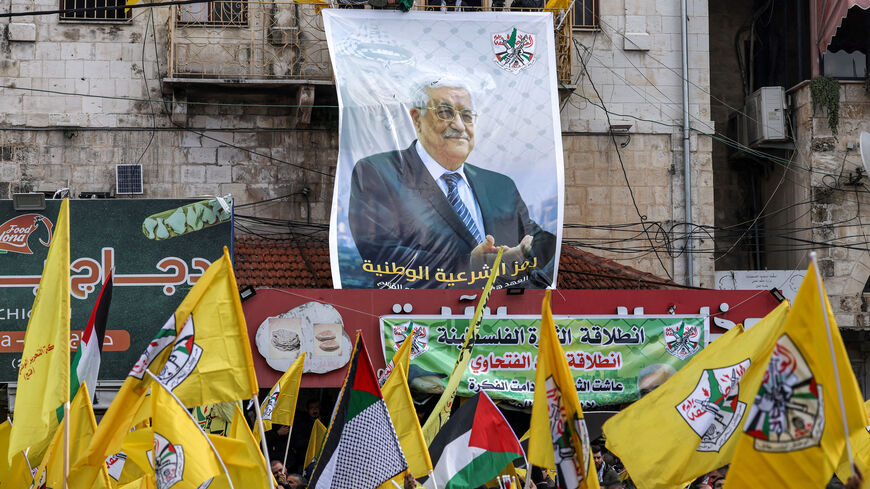
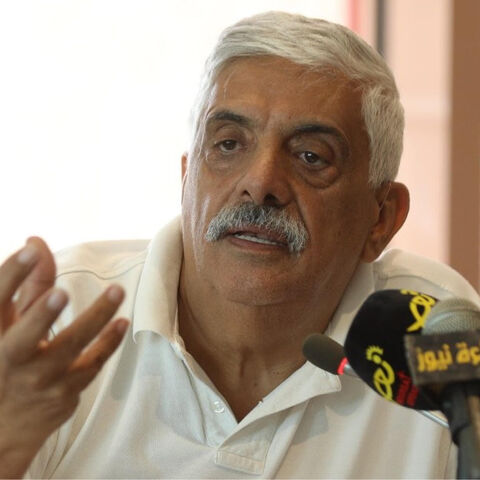
“Lebanon is a sovereign, free and independent country and a final homeland for all its citizens.” Composed back in 1989, the first article of the Taif agreement, given the current political and security scene in Lebanon, reveals more fallacies rather than facts. The agreement that concluded the Lebanese Civil War has been kept unimplemented since its inception. With the regional political transitions, the rise of Islamic-led regimes and the anniversary of the Lebanese civil war on April 13 — with its sectarian bloodshed still resonating in the heads of the Lebanese with every sectarian clash in Lebanon’s north — a review of the Taif agreement, its practicality and applicability is required.
To review or not review?
The Taif accord ended the civil war, but in reality the war moved away from the battlefields to a cold political war marked by Syrian hegemony, extreme polarization with occasional assassinations, security turbulence and power ousting, cultural terrorism and the feeling of perceived political marginalization rotating between the different groups, sects and political parties. On the other hand, revisionist attempts to change the de facto established post-war political balances in the country were legally obstructed by the new regime prescribed by the Taif.
In 2013, after almost 24 years, revisionist attempts to discard the Taif, partly due to extreme polarizations, continue to risk pushing the country toward a renewed civil war. However, when push comes to shove, many civil society volunteers, NGOs, initiatives and public figures rally for peace and communal bridging. Such rallies are often attributed to the youth, who demand a secular regime and natural evolvement in post-Taif political life that is hindered by the political sectarianism and sectarian distribution of political roles and responsibilities.
AL-MONITOR All-Access gives you unlimited access to all our journalism, the full Daily Briefing, exclusive interviews, premium newsletters, and live events — for less than $2/week.