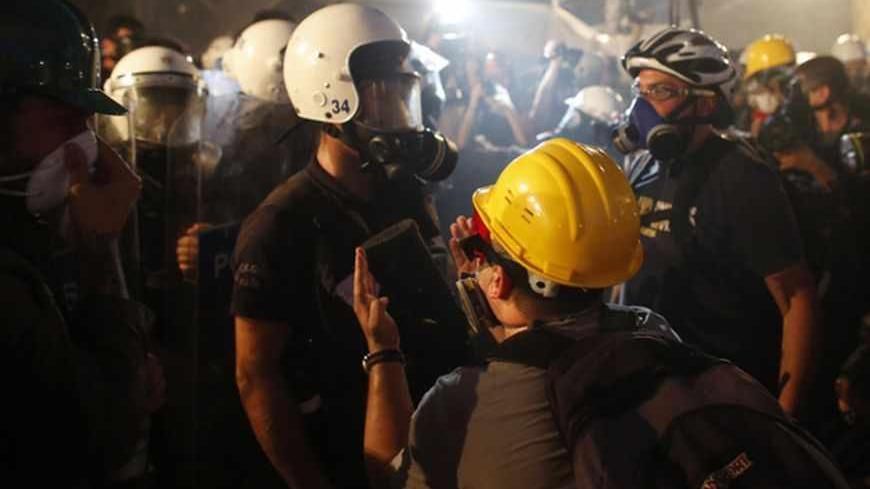
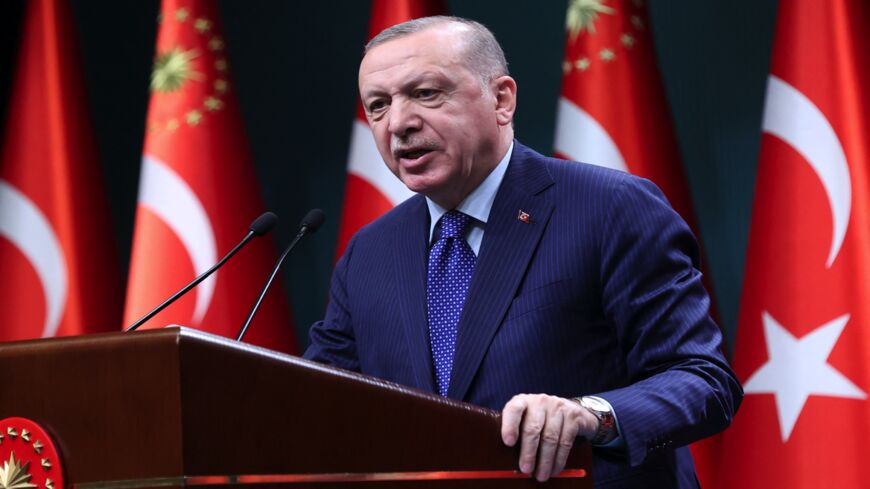
On Thursday, June 6, a criminal court in Ankara approved an indictment filed by the Turkish prosecutor’s office under which 102 retired military officers — including former senior commanders — and a civilian will be tried over charges of staging what has come to be known as the post-modern coup of Feb. 28, 1997.
All the suspects, 76 of whom are in jail, face aggravated life imprisonment on charges of overthrowing an Islam-sensitive coalition government and preventing it from performing its duties. Former army chief Ismail Hakki Karadayi is named as the prime suspect in the coup. Together with the other Feb. 28 coup suspects, there are estimated to be around 450 active and retired officers, including three former army commanders as well as active senior generals and admirals, who are being tried on charges of either staging coups, toppling former governments or making plans to unseat the current government.
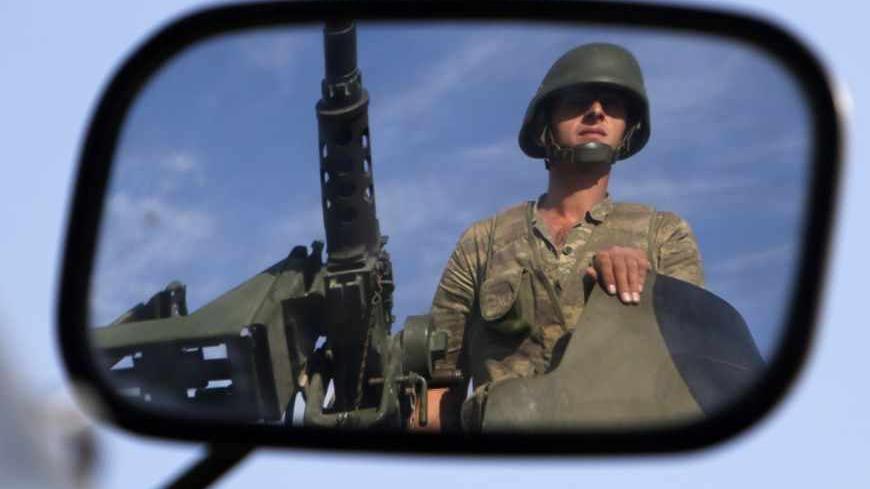
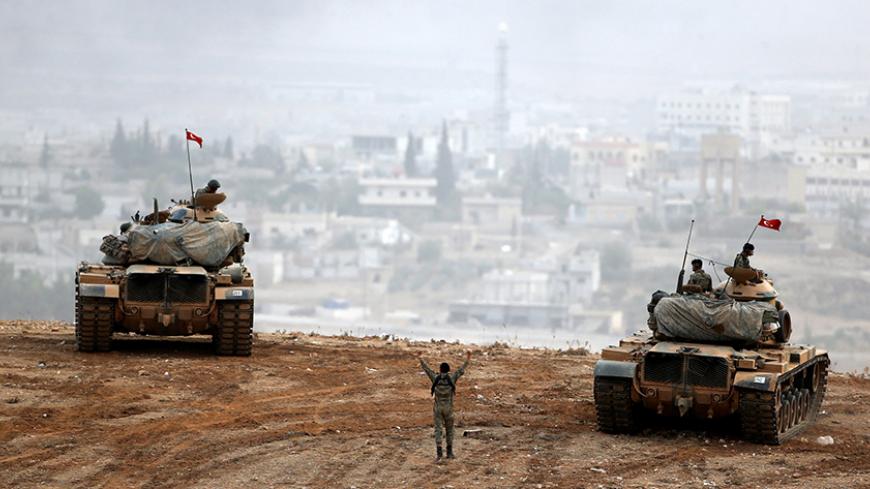
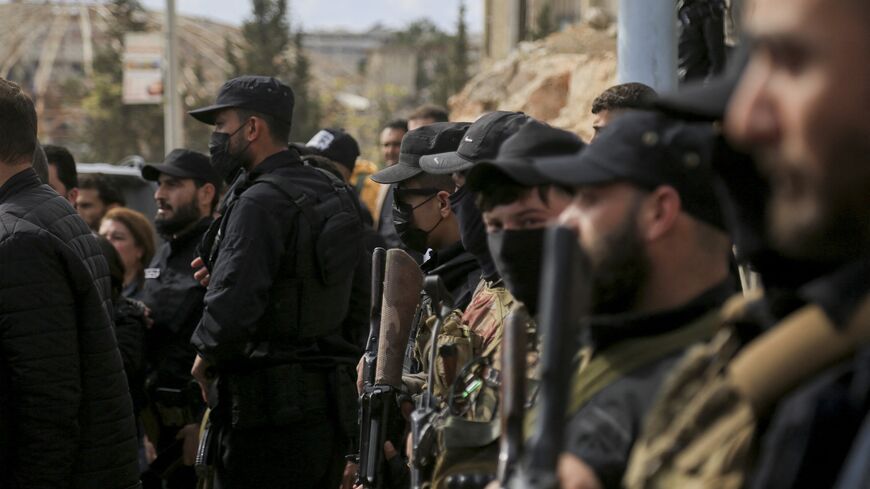
The fact that so many officers are facing trials over coup charges raises the issue of the state of the morale of the Turkish Armed Forces (TSK) at a time when Turkey has been facing serious security risks on its doorstep — for example, the civil war in Syria, which has already had a spillover effect on Turkey as demonstrated by the twin car-bomb attack that took place last month in Reyhanli township, killing more than 50 Turks.
The ruling Justice and Development Party (AKP) introduced several military reforms during its first term in office in 2003 and in 2004, curbing to a certain extent the military’s power in politics. But those reforms are half finished and have been replaced by symbolic steps taken by the military itself. Still, NATO member Turkey has fallen short of the full democratization of civil-military relations. The symbolic steps included the removal of a national security course given by military officers from the secondary school curriculum, as well as ending the practice of using conscripts for non-essential tasks such as serving as tea servers or hairdressers. In return for the military making these rather cosmetic changes, it is speculated that the government agreed not to touch, among other things, the business interests the military maintains through the Army Mutual Trust Fund (OYAK), which owns 28 affiliated companies and partnerships operating in several industries, including automotive, transportation, finance, agriculture, food and information technology.
AL-MONITOR All-Access gives you unlimited access to all our journalism, the full Daily Briefing, exclusive interviews, premium newsletters, and live events — for less than $2/week.