For much of the past two years, no common thread seemed to run through developments in Egypt and Syria. The United States and its international allies could follow one set of policies to contend with a crumbling Islamist democracy on the banks of the Nile and quite another to manage a brutal sectarian war tearing through the Levant. The coup in Egypt has changed all that.
The overthrow of Egyptian President Mohammed Morsi has laid bare the truth hiding in plain sight — the struggle in the Middle East is no longer between dictatorship and democracy, but Islamism (especially Islamic extremism) and its detractors. If the international response to developments is Egypt is any indication, the United States and Europe have made the same realization and are inching their way toward a new, albeit unspoken strategy for the Middle East that is no longer rooted in being on the right side of history by promoting democracy, but in containing Islamism.
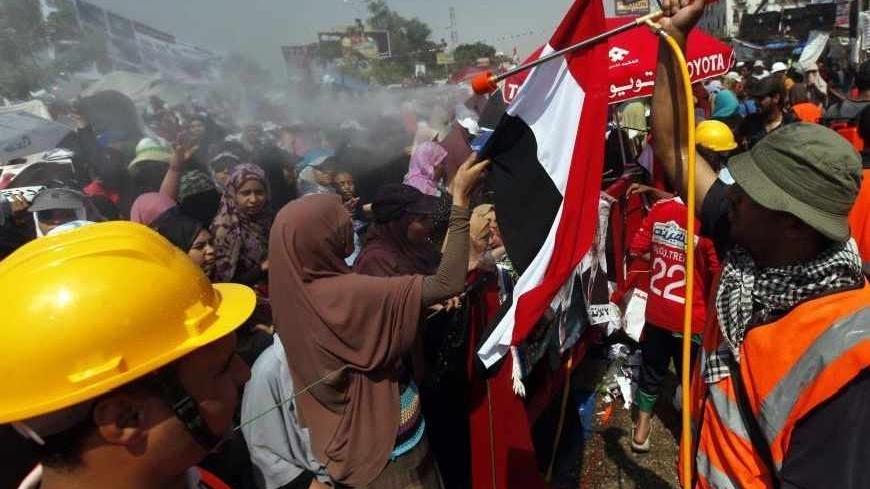
The military’s narrative in Egypt today is that it had to step in to fight the scourge of “terrorism.” The coup leader, Gen. Abdel Fattah al-Sisi, pays lip service to restoring democracy, but his aim is to sideline, and if need be, dismantle the Muslim Brotherhood. In an ironic twist, the coup enjoys broad popular support among the same secular and liberal forces that pushed Mubarak off his pedestal. They now think squashing Islamism matters more.
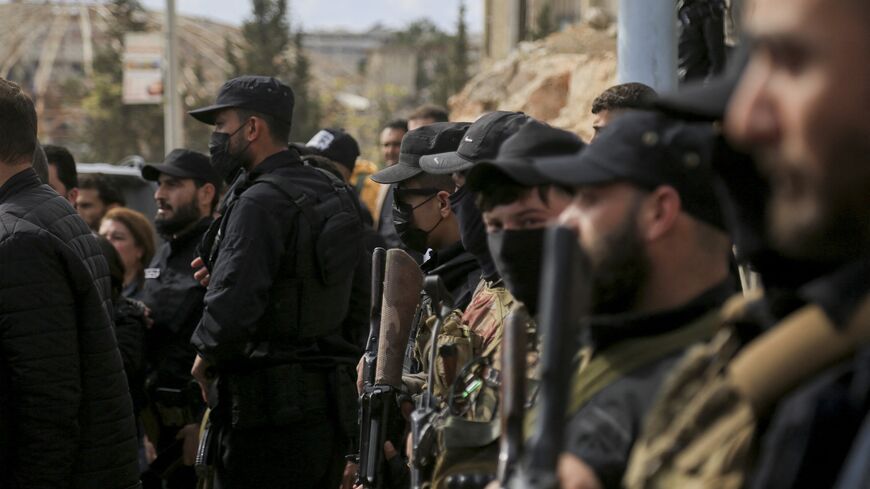
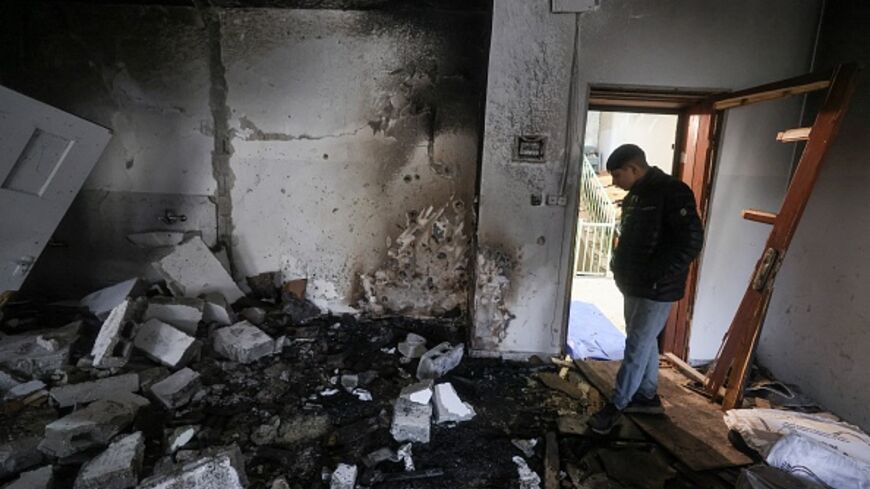
This is all welcome news to Bashar al-Assad, who has all long claimed that he is not resisting democracy, but fighting terrorism as well. It only helps Assad’s case that the Egyptian military is now broadening the definition of terrorism beyond al-Qaeda and its affiliates to include the Muslim Brotherhood, which is also a notable part of the Syrian opposition. The Brotherhood hopes that its trenchant resistance to the coup will harken back to the spirit of the Arab Spring, while the generals feel justified in ratcheting up violence in the face of what they call “terrorism.” Events in Egypt no longer look removed from what is happening in Syria. The same narrative of regime survival in the face of a trenchant terrorist challenge now echoes in Cairo as well as in Damascus. As Egypt vilifies the Brotherhood, it will become easier for Syria to dismiss its own Brotherhood-influenced opposition. The Syrian Brotherhood is even more hard-line than its Egyptian counterpart and thus even easier to cast as extremist.
AL-MONITOR All-Access gives you unlimited access to all our journalism, the full Daily Briefing, exclusive interviews, premium newsletters, and live events — for less than $2/week.