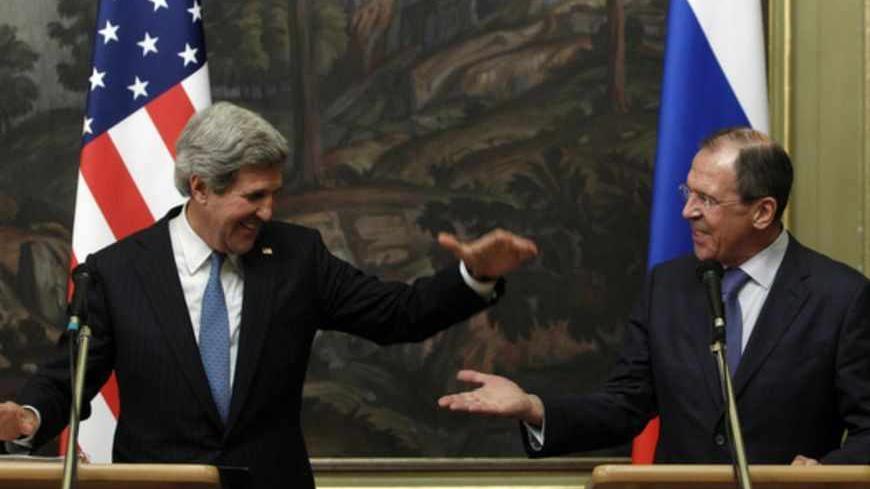
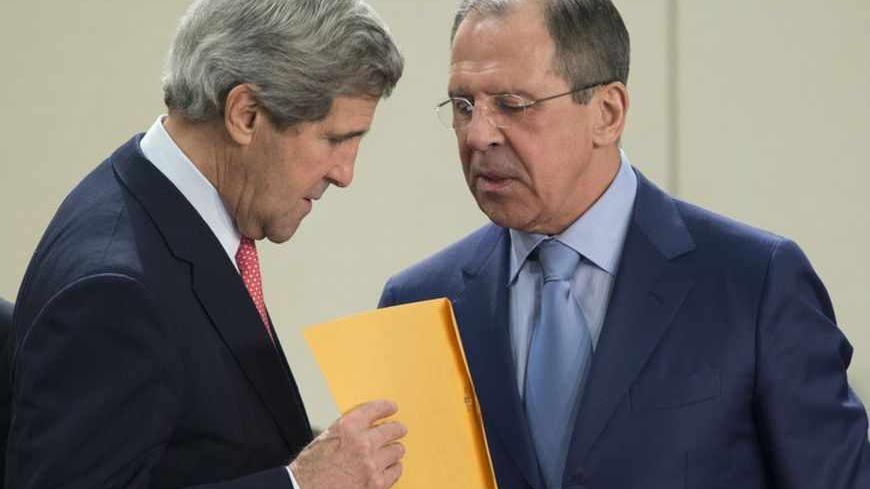
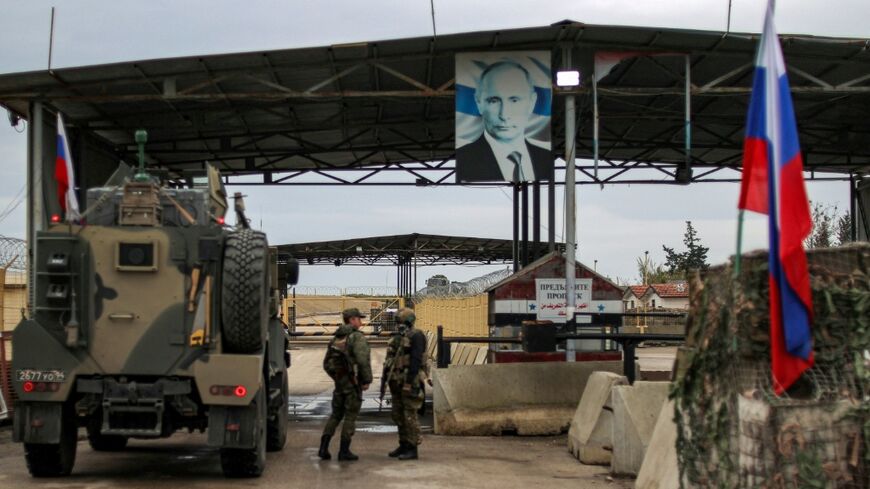
For those who miss the comforting certainties of the Cold War, US-Russian animosity over the Syrian tragedy seems a welcome throwback to the era of proxy battles for strategic regions. In this view, there is little point in working with Russia to try to find a political settlement to Syria’s brutal civil war. The so-called “Geneva II” conference is nothing more than a cunning Russian ploy to buy time for Bashar al-Assad to win.
But happily for the world, the Cold War is over. And while a negotiated political settlement is the ideal outcome, the utility of the Geneva process should not be judged solely on those terms. By pushing ahead in a good-faith effort to bring the parties to the table, Geneva also offers the potential to drive a wedge between Russia and Assad. Only in that way will the US secure greater Russian cooperation on Syria. And that cooperation is critical to ending the Syrian tragedy without the much greater bloodshed that would come from Western intervention.
So yes, as so many critics assert, the Geneva process may fail. But the crucial question is how it fails. The US goal must be to create the conditions whereby Assad openly rejects a deal that all other parties, including Russia, endorse.
Achieving this outcome requires moving beyond the Cold War legacy of viewing Russia in purely adversarial terms. US-Russia cooperation on Syria will remain exceptionally difficult. But it need not be impossible as long as the United States understands Russian objectives. First and foremost, Washington needs to accept that Russia is in fact serious about the Geneva process — even if it has a very different perspective on what Geneva might achieve. For Russia, the Geneva process is about achieving a political settlement in Syria, not about great powers negotiating the end of the Assad regime. Russia insisted that this principle be embodied in the Geneva communique that sets out the parameters of the process and Russian policy and actions have been consistent with that concept.
AL-MONITOR All-Access gives you unlimited access to all our journalism, the full Daily Briefing, exclusive interviews, premium newsletters, and live events — for less than $2/week.