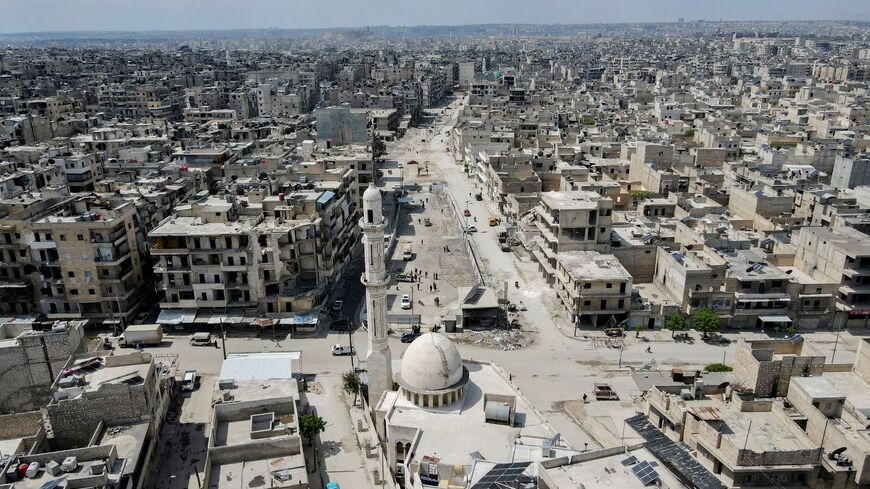
It turns out that the earthquake rattling the Middle East and tearing apart Arab and Islamic nation-states is not what we thought it to be. Having gone on for nearly three years, it sometimes grows weaker or stronger, disappearing and then cropping up in surprising places. Occasionally it devours its own perpetrators. The magnitude of the events proves how little the experts — indeed the world — understand what is transpiring in the complex Arab and Muslim societies, and how just deep that lack of understanding is.
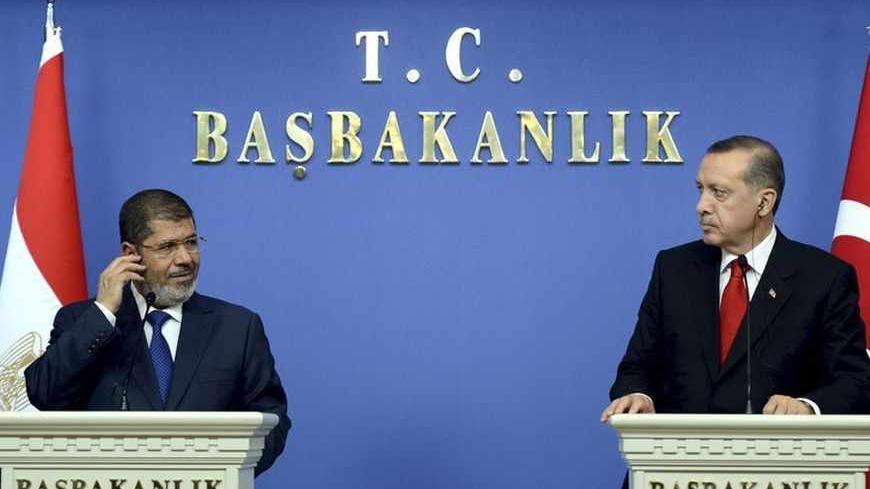
The latest twist, by far the most fascinating one we have seen to date, is the counter-reaction of the Arab masses to the sweeping takeover of the countries in the Middle East by the Muslim Brotherhood.
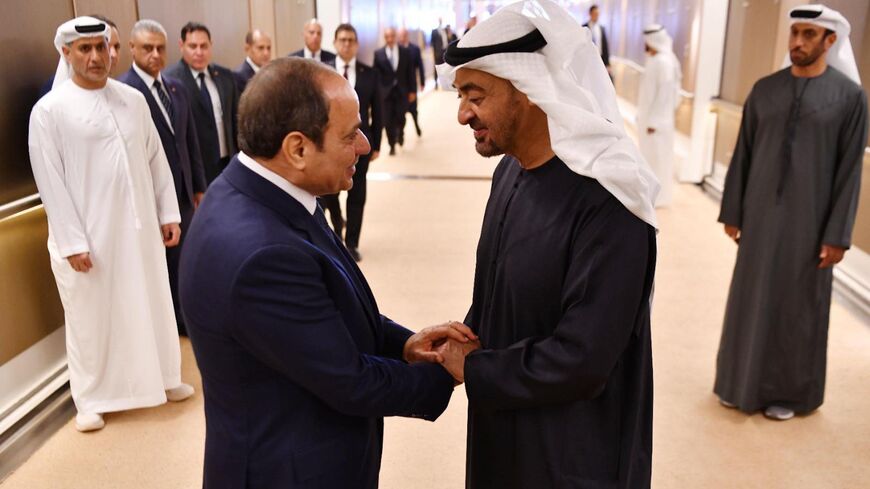
The well-established paradigm of the intelligence agencies and the decision-makers in Israel and the West was that in this day and age, every coup against a long-standing Arab regime would conclude, at varying degrees of speed, with the rise of the Muslim Brotherhood to power. This is the most deeply-rooted and powerful brand on the ground, enjoying broad support among the lower castes of society. It is a well-organized and resolved movement that knows how to exercise force. Perceived as a sophisticated organization that is impervious to external influences, the question was not whether the Brotherhood would seize power, but when.
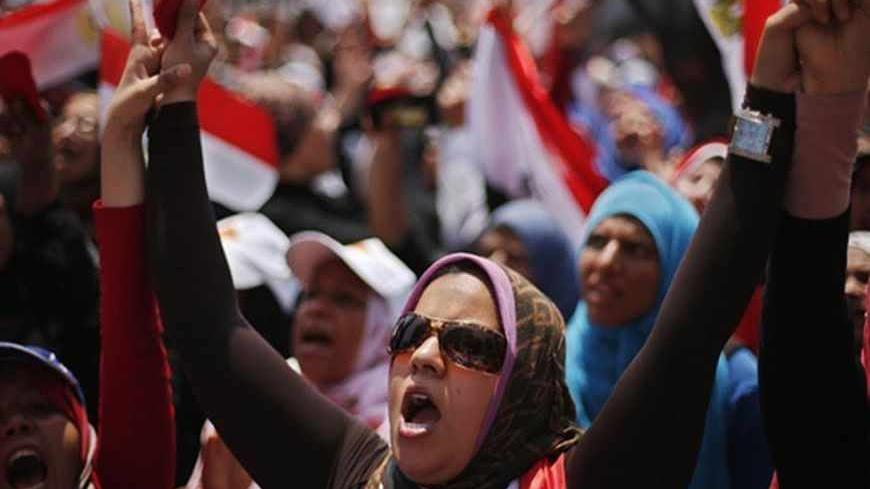
But lo and behold, here is a big surprise. In Egypt, Tunisia, Turkey and elsewhere, according to some indications, the people are rising up against the Muslim Brotherhood. Using pitchforks and sticks, the masses are expelling Brotherhood members from positions of power and government ministries, sending them back to their Islamist quarters.
AL-MONITOR All-Access gives you unlimited access to all our journalism, the full Daily Briefing, exclusive interviews, premium newsletters, and live events — for less than $2/week.