The enigma of Qasem Soleimani and his role in Iraq
Al-Quds Force Commander Qasem Soleimani, profiled in last month's New Yorker, has been among the most influential, and controversial, figures in Iran-Iraq relations.
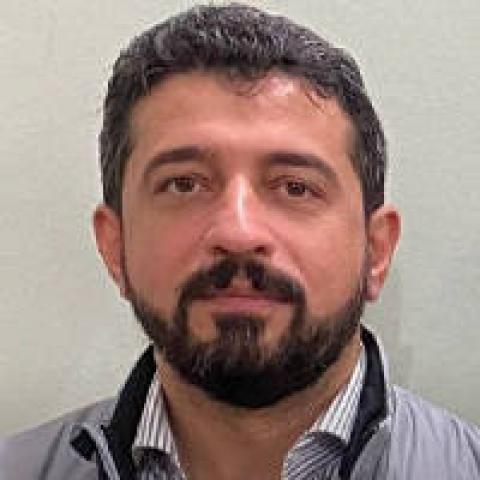

Qasem Soleimani's name can been found in several files in the Middle East, from Afghanistan to Palestine, going back more than 10 years. There is, however, very little detailed information on the life of this man or the nature of the enigmatic roles he plays in managing these files. Dexter Filkins' “The Shadow Commander,” published in the Sept. 30 issue of The New Yorker, is the latest and most in-depth piece on Soleimani, particularly in regard to his prominent roles in Iraq and Syria.
Soleimani was recently referenced by The Wall Street Journal, along with Turkish Intelligence Minister Hakan Fidan and Saudi Arabia's Prince Bandar, as three spy chiefs shaping the region. Even more can be said about Soleimani's role in Iraq, which included support for militias which opposed and fought US forces there.
Early experience
Soleimani, currently commander of the Quds Force, a special unit of the Iranian Revolutionary Guard Corps (IRGC), began his military career at the start of the Islamic revolution in Iran. His first fighting experience is thought to have been in helping crush the splinter revolution waged by armed Kurdish groups in Mahabad, in western Iran. While he did not have a prominent leadership role in these operations, they provided him valuable experience in irregular warfare and prepared him to climb the leadership ladder of the IRGC.


