Turkey’s Kurdish Peace Effort At Crossroads
The likelihood of a resumption of violence with the Kurds in Turkey is not a distant possibility.
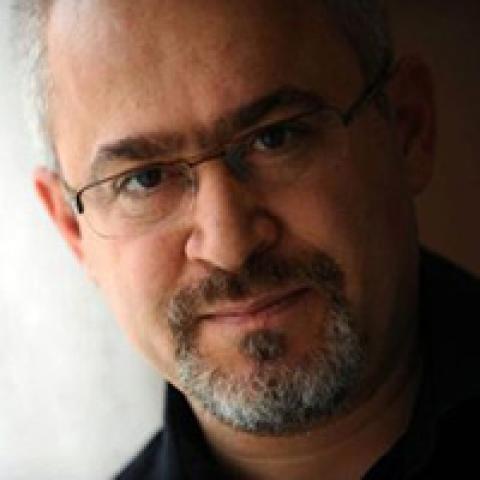

It all began on March 21, 2013, when a message from Kurdistan Workers' Party (PKK) leader Abdullah Ocalan, imprisoned for life on Imrali Island, was read to a massive crowd of Kurds who had come to celebrate the Newroz holiday in Diyarbakir’s main square. Ocalan declared the end of the armed struggle era and called on PKK militants to leave Turkey.
As expected, the PKK complied and the withdrawal process began soon after. But it didn’t take long before both the Turkish government and the PKK began expressing a lack of confidence toward the other side, accusing each other of undermining the process.
In July, Murat Karayilan, acting PKK leader, made a statement accusing the government of opportunism. He said that although Ocalan had initiated the process, he was still being kept in isolation. The government had asked the PKK to give up its arms, but it was still keeping unarmed Kurdish politicians in prisons.
Prime Minister Recep Tayyip Erdogan, in an August statement, said the PKK was acting very slowly in the withdrawal process and that only 20% of its armed forces had withdrawn from Turkey.


